Dream About Rescuing an animal dream – Meaning
Category: Animals
What this dream often looks like
Anxious and tired after a long week, you find yourself kneeling in muddy grass at dusk, hands slick with water as you free a small dog trapped under a fallen fence. Neighbors lean out of lit windows, a child calls your name, and your chest races between relief and the nagging sense you shouldn’t have been the only one there. The scene feels immediate—cold metal, the smell of wet fur, the echo of footsteps—and the saving act carries a mixture of pride and exhaustion.
Quick interpretation
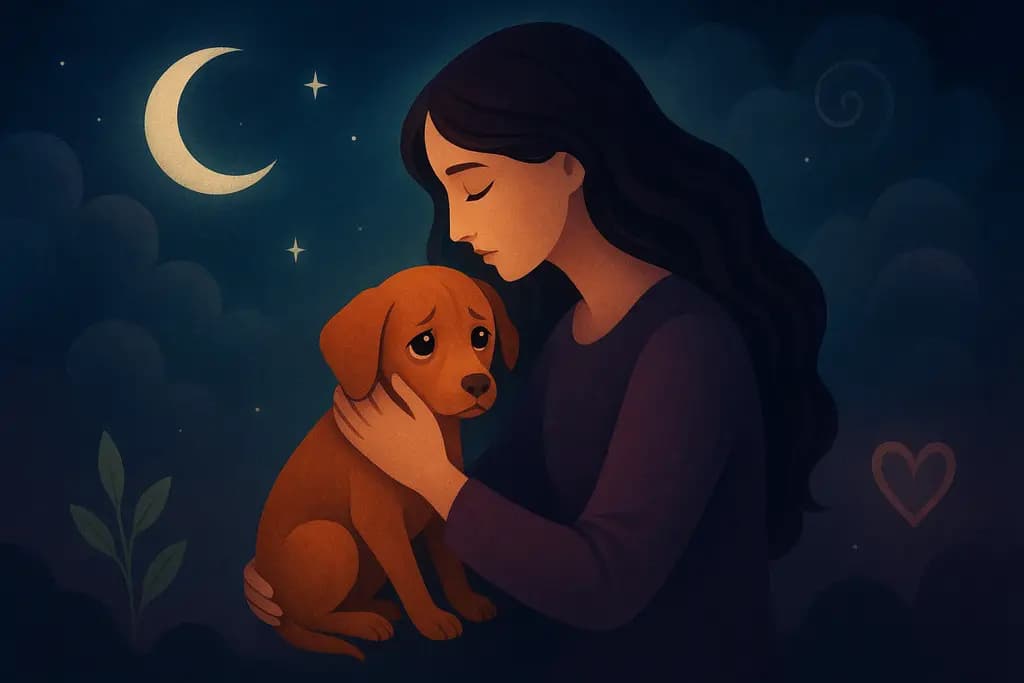
Quickly: this dream most often points to an urge to protect or repair—either someone in your life or a neglected part of yourself. The animal stands for vulnerability and instinct: rescuing it is a symbolic intervention where you accept responsibility, step into a caretaker role, or reclaim a soft, overlooked aspect of your identity. If the rescue felt empowering you may be integrating care; if it felt overwhelming or imposed, it can signal boundary stress or emotional debt that needs attention.
Key interpretations
- Protection and caregiving. Rescuing an animal commonly reflects a real-life role where you’re protecting someone else—an actual child, a partner, a friend, or even a struggling colleague. The animal’s condition (injured, lost, frightened) mirrors how dependent that person appears to you. This angle asks: are you stepping in willingly, or is care falling to you because others won’t? Notice any fatigue in the dream; it can indicate caregiving overload.
- Inner vulnerability and repair. The animal can represent a fragile part of your own personality—curiosity, playfulness, or emotional openness—that has been hurt or hidden. Rescuing it suggests you’re attempting to heal or reintegrate that part: teaching yourself to be gentle, to forgive, or to restore courage. If you felt tenderness in the dream, that tenderness is a cue to offer the same compassion to yourself in waking life.
- Boundary work and moral responsibility. Sometimes the dream highlights boundary confusion: you may feel morally compelled to act when doing so strains your limits. The rescue scene examines where you place responsibility—what you must do versus what others should handle. If the animal resisted or the rescue drew criticism from onlookers, the dream is probing whether your interventions respect others’ autonomy or reflect an overreach born of guilt or obligation.
What this dream usually does not mean
This dream is rarely a literal prediction that an animal or person will be rescued in waking life. It does not usually forecast exact events. Instead, it works as a symbol about roles, obligations, and the state of something fragile in your life. Try not to read the scene as a concrete prophecy; it most often maps feeling and responsibility rather than specific future happenings.
Concrete details that tend to stand out
People often remember striking specifics: a kitchen backdoor left ajar, neighbors in bathrobes watching from a porch, the high-pitched whine of a distant ambulance, or the sticky feel of a torn sleeve and trembling hands. Weather like sudden rain or a stalled car on a side street also tends to be vivid and emotionally charged.
What your mind may be processing
Interestingly, modern psychological views treat this dream as a rehearsal for caregiving roles and as a way the mind processes moral identity—what it means to be responsible and compassionate. The animal embodies vulnerable feelings and instinctual needs; rescuing it rehearses repair, guilt resolution, or re-establishing trust in yourself. Sensory details (cold hands, rapid heartbeat) show how the body stores those tensions. Consider which waking relationships trigger protectiveness and whether the dream lets you practice different responses.
When this dream deserves attention
This dream deserves attention when it repeats, occurs during high-stress periods, or leaves you waking with persistent emotion. Recurrence can indicate an unresolved caregiving dilemma or a neglected inner need. If it appears around life transitions—new parenting, eldercare, career shifts—it may be pointing to choices about who you protect and whom you allow to help. Take note if the dream leaves you depleted or determined; either reaction signals material you can work with in waking decisions.
Common questions
Why do I feel fear in this dream?
Why do I feel fear in this dream? Fear usually reflects anxiety about being responsible or failing at a caregiving role. It can also signal worry for a vulnerable part of yourself or a real person you care about; the emotion is about stakes, not a literal threat.
Is this about money?
Is this about money? Not usually. While financial strain can create the pressure that appears in the dream, rescuing an animal more commonly symbolizes emotional responsibility, care, and boundary issues rather than direct financial prediction.
Is it related to stress?
Is it related to stress? Yes. This dream commonly surfaces during stress—when obligations pile up or when you’re emotionally stretched. It highlights where stress has created vulnerability, and what parts of your life are demanding immediate attention or repair.
Related dreams to explore
People who dream about rescuing an animal dream often end up exploring Seeing a Baby Animal, Alligators, and Animals next, because the same pressure can show up through different symbols. Comparing them usually makes the emotional pattern clearer. You may also want to compare it with Ants if the same mood or conflict keeps showing up.