Dream About relationships dream meaning – Meaning
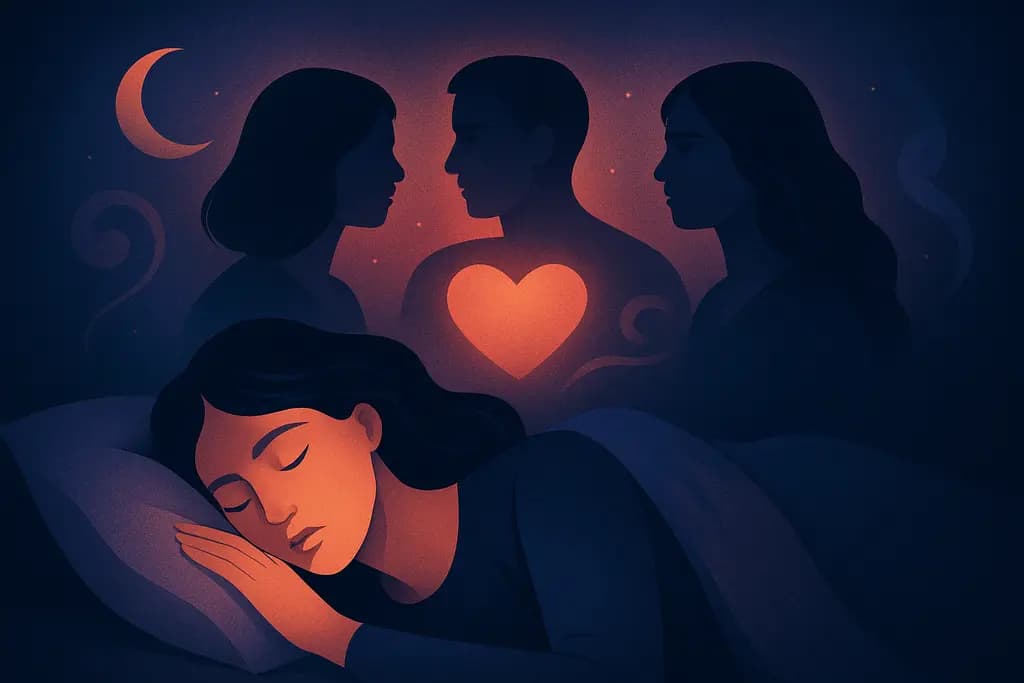
Category: Relationships
A typical dream scenario
There’s a tight feeling in your chest as you stand in a small apartment kitchen, the light too bright, a coffee cup shattered on the floor. Your partner’s back is turned; you say something you can’t take back. You feel both angry and oddly hollow, like you’ve rehearsed this scene all week during work meetings, late-night scrolling, and a move that’s left your routines unmoored.
Main interpretation
A relationships dream like this often maps onto real, immediate pressures: unresolved arguments, evolving roles (roommates becoming partners, parents becoming caregivers), or emotional needs that aren’t being met. Concrete events in the dream—breaking a cup, closing a door, walking away—commonly stand for boundary moments and decisions you’re weighing while awake. Pay attention to the dominant feeling (relief, dread, shame) because it points to whether the dream is urging repair, space, or a change in how you show up.
How this dream may connect to daily life
- 1. Unresolved conflict and communication. If the dream centers on argument, accusation, or slammed doors, it commonly points to messages left unsaid or recurring friction. The scene often exaggerates what you already notice—missed calls, curt replies, or tension at family dinners—so the dream is asking you to name the issue and choose a next step: a clarifying conversation, a time-limited boundary, or simply practicing a different tone.
- 2. Transition of roles and identity. Dreams where roles shift—roommates becoming lovers, a partner dressing in a new uniform, or a child suddenly adult—tend to mirror life changes like a move, new job, or becoming a parent. These images can signal anxiety about expectations and who you are inside the relationship. The dream is prompting you to reassess shared responsibilities, renegotiate routines, and accept that roles evolve.
- 3. Inner attachment and self-worth. When the central action involves seeking approval, following someone, or being ignored, the dream often probes attachment patterns and self-esteem. Scenes of chasing someone through a train station or standing mute at a party may highlight fears of abandonment or the habit of shrinking to keep peace. The practical takeaway is to notice where you give away voice or needs, then practice small acts of self-advocacy.
What this dream is not literally saying
This dream is rarely a literal prediction of infidelity, imminent divorce, or a specific future event. It does not usually function as a crystal ball. Instead, it often dramatizes feelings and interpersonal patterns you’re negotiating now. There may be an emotional sting—fear or relief—but that sting is more about your inner state than an unavoidable fate.
Specific details people often mention
People commonly report a locked bedroom door, rain sliding down a window, a crowded subway platform, a wedding dress half-folded in a suitcase, a car that won’t start, or the sudden noise of a child laughing. Physical reactions like sweaty palms, a lump in the throat, or a racing heartbeat are frequent and meaningful.
What to ask yourself
- Which person or moment from the dream most closely matches a real interaction this week, and what did you not say in that exchange?
- What practical boundary or role change would reduce the tension you felt in the dream, and what’s one small step toward it?
- How does your body respond when you imagine addressing the issue that appeared in the dream—tightness, relief, fear—and what does that suggest about your next move?
Spiritual and symbolic perspective
Symbolically, many traditions treat relationship dreams as reflections of inner unity or separation: meetings can represent reconciliation with a neglected part of yourself; departures can symbolize needed release. This is a framing, not a rule. If you use spiritual language, look for images that resonate—bridges for healing, storms for purification—and consider ritual ways (breathwork, quiet reflection) to integrate insight without claiming a single metaphysical truth.
Frequently asked questions
Why do I feel fear in this dream?
Fear often appears because the dream is amplifying uncertainty about a relationship’s stability or your standing in it. The emotion points to vulnerability—concerns about rejection, losing control, or being misunderstood—rather than an accurate forecast of harm.
Is this about relationships?
Yes and no: the dream commonly reflects aspects of your relationships—communication patterns, unmet needs, shifting roles—but it also reveals internal feelings and expectations that don’t always map one-to-one onto another person’s intentions.
Is this dream a warning?
Usually not. Such dreams are rarely literal warnings of specific future events. They are better read as cues to pay attention to your feelings, conversations, and decisions so you can respond proactively in waking life.
Dream meanings connected to this one
If this dream keeps returning, pages about black relationships, dream about relationships, and hundreds of relationships can reveal the related patterns underneath it. They often overlap around insecurity, transition, or stress in everyday life. You may also want to compare it with many relationships if the same mood or conflict keeps showing up.