Dream About Rejection in Romance – Meaning
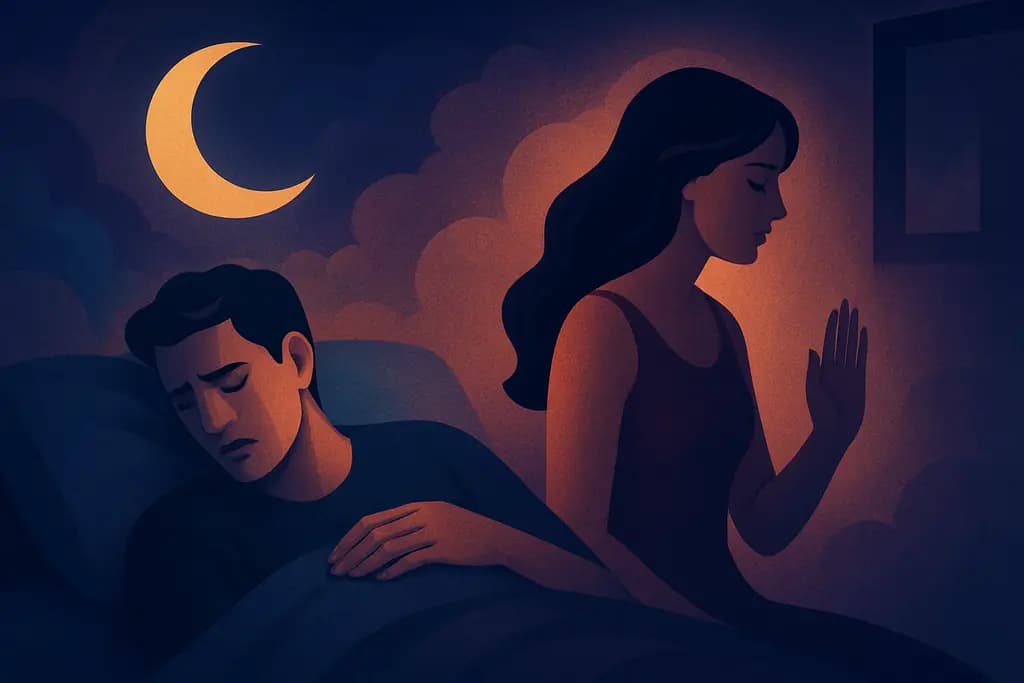
Category: Relationships
Dreaming about rejection in romance often brings up strong emotions—shame, sadness, anger or relief. Such dreams rarely point to a single fact; their meaning depends heavily on how you felt during the dream and the context around the rejection.
General meaning of dreaming about Rejection in Romance
At its core, a dream about romantic rejection symbolizes a perceived loss of connection or approval in intimate relationships. It can be a literal fear that a partner will leave, or a symbolic reflection of feeling unworthy, misunderstood, or emotionally distant. These dreams often surface when you feel uncertain about your place in a partnership or when old wounds around attachment are active.
Common interpretations center on identity, boundaries and unmet needs. Sometimes the dream is about the specific person who rejects you; other times the person is interchangeable and the dream highlights a pattern: fear of abandonment, fear of being judged, or hesitation about vulnerability.
- Fear of abandonment or being unloved
- Low self-esteem or doubts about personal desirability
- A need to set clearer boundaries or express needs
- A sign to reassess an unbalanced relationship dynamic
Spiritual meaning of Rejection in Romance in dreams
Spiritually, romantic rejection in a dream can signal a period of soul-level recalibration. Many traditions view painful emotional experiences as invitations to inner work—learning how to nurture yourself, release dependency on external validation, and raise your energetic boundaries. In some contemplative paths this kind of dream points to clearing attachment patterns; in other gentle spiritual frameworks it can mean you're ready to transition away from relationships that no longer serve your growth.
Across cultures the emphasis is similar: use the upset as a teacher rather than a punishment. The feeling tone matters—if the dream leaves you peaceful eventually, it may suggest a necessary detachment; if it leaves turmoil, it can point to unresolved energetic cords or grief that needs tending.
Psychological interpretation
Fear, stress or anxiety
Dreams of romantic rejection commonly mirror daytime anxieties. If you worry about losing a partner, being judged by a crush, or failing to meet expectations, your subconscious rehearses those scenarios. These dreams can amplify minor worries into dramatic scenes; their purpose is often to alert you to stress so you can address it consciously.
Relationships and emotional bonds
From an attachment perspective, rejection dreams can reveal how safe you feel with others. People with anxious attachment tend to dream of abandonment or being replaced, while those with avoidant patterns might dream of cold indifference or walking away. The dream helps you examine whether your relationships provide security, reciprocity, and honest communication.
Control, power or vulnerability
Being rejected can also tap into issues around control and vulnerability. If you dream of begging, pleading, or trying to change yourself to be accepted, the dream may be showing a surrender of personal power. Conversely, if you reject someone in the dream, it could mean you're testing boundaries or preparing to reclaim agency in waking life.
Positive meaning
- A prompt to heal self-worth: the dream can motivate work on self-acceptance and inner validation.
- Opportunity to set healthier boundaries: rejection dreams can clarify which relationships drain you.
- Growth through clarity: painful imagery may reveal what you truly need from a partner.
- Catalyze change: sometimes the dream encourages ending stagnation so you can attract a more compatible connection.
- Emotional release: dreaming the rejection can allow grief or fear to surface and start the healing process.
Negative meaning and warnings
- May suggest unresolved attachment wounds that keep repeating in relationships.
- Can indicate a real risk of emotional distance or breakdown in communication if issues are ignored.
- May point to shrinking self-esteem that could invite unhealthy dynamics, such as people-pleasing.
- Can indicate avoidance—either of intimacy (if you reject) or of honest confrontation (if you’re rejected and don’t respond).
Each of these outcomes can be mitigated; the dream is a warning signal rather than an inevitable fate.
Common variations of dreams about Rejection in Romance
- Being rejected after confessing love — Often highlights fear of exposure: you may fear emotional vulnerability or doubt whether your feelings will be reciprocated.
- Being ignored or ghosted by a partner — Suggests emotional unavailability in the relationship or anxiety about being deprioritized.
- Public rejection or humiliation by a lover — Reflects fears of social judgment tied to your romantic life or worry that your relationship identity is being judged.
- An ex rejecting you after attempting reconciliation — May point to unresolved grief or a subconscious test of whether getting back together is truly healthy.
- Standing someone up or being stood up on a date — Signals mismatched expectations, anxiety about commitment, or insecurity about being valued.
- Being told you’re not good enough by a lover — Often mirrors internalized critical messages from past relationships or caregivers.
- Rejection by a crush despite mutual interest — Highlights fear that external barriers (timing, circumstances) will prevent intimacy rather than incompatibility.
- Breaking up because of a personality flaw — Can indicate self-criticism surfacing and a need to differentiate between realistic change and harsh self-blame.
What to do after such a dream
- Reflect on the feelings you experienced: name the emotions (fear, shame, relief) and how intense they were.
- Journal the details: who rejected you, where it happened, and what you said or didn’t say—these specifics often reveal the real-life parallel.
- Check current relationship dynamics: are your needs being heard? Are boundaries respected? Is there chronic insecurity?
- Talk with someone you trust: a friend or partner can offer perspective on whether the dream reflects a real pattern.
- Consider practical steps: if the dream points to communication gaps, plan a calm conversation; if it points to low self-worth, practice self-compassion exercises.
- Give yourself time: dreams are signals, not commands. Use them to guide thoughtful changes rather than impulsive decisions.
If the dream recurs and causes ongoing distress, exploring it with a counselor or dream-focused therapist can be helpful for deeper patterns.