Dream About Profound loneliness – Meaning
Category: Feelings
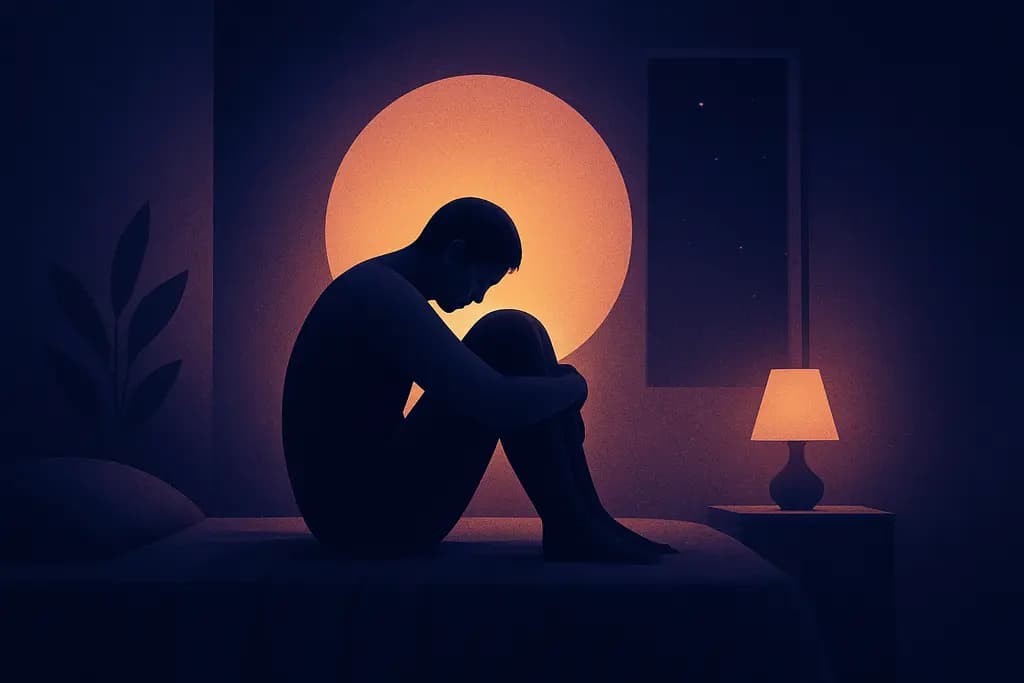
Dreaming about profound loneliness can feel raw and unsettling. When Profound loneliness appears in a dream it often reflects a deep emotional state — not just momentary sadness but a sense of disconnection that lingers. The exact meaning depends on your feelings in the dream and the surrounding context.
General meaning of dreaming about Profound loneliness
At its core, a dream of Profound loneliness points to inner isolation, unmet emotional needs, or a season of life when connection feels distant. This dream often arrives during transitions (loss, change, or major decisions) when familiar supports are unstable or when parts of the self feel unseen.
Rather than a single fixed message, Profound loneliness in dreams tends to map onto personal experience: whether you felt resigned, frightened, or calm in the dream shifts how to interpret it. It can be both a signal of pain and a prompt to attend to neglected inner work.
- Longing for connection: feeling cut off from friends, family, or community.
- Emotional depletion: burnout, grief, or chronic stress leaving you numb.
- Identity shifts: a sense of being unmoored when roles change (parenting, career, relationship endings).
- Inner exile: parts of your personality or creativity that feel suppressed.
Spiritual meaning of Profound loneliness in dreams
Spiritually, Profound loneliness can point to a period of inner purification or calling. Many traditions view solitude as fertile ground: it can be a dark night of the soul that precedes deeper clarity, or a stage that invites inner listening and reorientation.
In universal terms, the dream may be encouraging you to reconnect with your inner guidance, to integrate shadow aspects, or to cultivate spiritual practices that restore a felt sense of belonging beyond external ties.
Psychological interpretation
Fear, stress or anxiety
Profound loneliness can surface when anxiety or chronic stress narrows attention to threats and survival. The dream may dramatize fears of abandonment, rejection, or not measuring up, and can reveal how stress limits your capacity to reach out.
Relationships and emotional bonds
In psychological terms, the dream often maps onto attachment patterns: feeling emotionally distant from partners, friends, or family, or remembering childhood experiences of neglect. It can highlight unmet needs for empathy, validation, or safety in relationships.
Control, power or vulnerability
Loneliness dreams can also reflect feelings of vulnerability or loss of control. Being cut off may symbolize a sense of powerlessness in life choices, social situations, or work dynamics. The dream can prompt you to examine where you feel voiceless and how to reclaim agency.
Positive meaning
- A call to inner growth: solitude as an opportunity to learn self-soothing and resilience.
- Creative incubation: quiet periods that precede new projects or insights.
- Boundary setting: recognizing the need to reduce draining connections and protect your energy.
- Deeper self-knowledge: confronting painful feelings that, once processed, lead to greater authenticity.
Negative meaning and warnings
- May suggest unresolved grief or prolonged isolation that harms wellbeing.
- Can indicate emotional neglect in key relationships, or that you are withdrawing in ways that increase isolation.
- May point to avoidance: using solitude to escape conflict rather than addressing it.
- Can signal burnout, depression, or a chronic stress pattern that needs attention.
Common variations of dreams about Profound loneliness
- Feeling alone in a crowd — You are physically surrounded but emotionally invisible; this can highlight social anxiety or unfulfilled social needs.
- Empty house or apartment — A personal space feeling hollow can symbolize loss of identity or a life stage that no longer fits.
- Abandoned by a partner or friend — Dreams of abandonment may reflect fear of rejection or recent relational ruptures.
- Childhood loneliness or being a lonely child — Ties to early attachment wounds that still influence your adult relationships.
- Lost in a city or desert alone — A metaphor for feeling directionless or overwhelmed by life changes without support.
- Grieving alone after a death — Loneliness tied to loss and mourning; emphasizes the need for compassionate processing.
- No one answers when you call out — Suggests feeling unheard or that your efforts to connect are unmet; can point to communication breakdowns.
What to do after such a dream
- Reflect on the feeling: journal the dream and note where the loneliness felt strongest and what images stood out.
- Map it to waking life: consider recent losses, changes, or relationship patterns that echo the dream.
- Reach out intentionally: name one person you can call, message, or meet to share how you feel, even in small ways.
- Small self-care steps: create a predictable routine, get outside, or engage in a creative practice that restores presence.
- Set gentle goals: practice tiny actions toward connection (join a group, volunteer, or schedule regular check-ins) rather than forcing large changes.
- Seek support if needed: if the dream leaves you unsettled or recurring loneliness affects daily life, consider talking with a trusted confidant or counselor for guidance.
Pay attention to how the dream's tone changes as you work with its message; Profound loneliness can shrink with compassionate action and grow into a doorway for meaningful reconnection.