Dream About Paying Off Gambling Debt – Meaning
Category: Casino & Gambling
A typical dream scenario
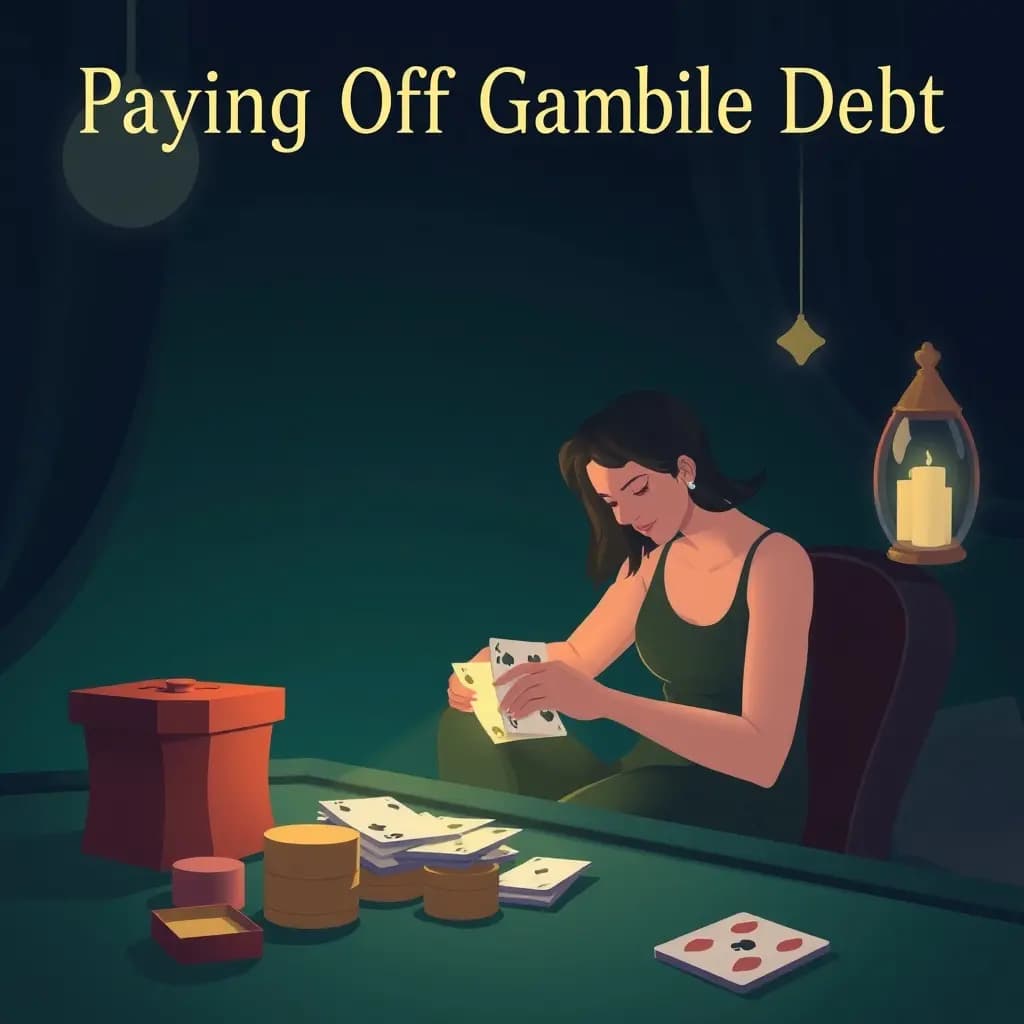
You stand behind a stained kitchen table under a single bulb, sliding a thick envelope of cash across to a tired-looking dealer who counts chips with bored hands. You feel both a lightness — as if a weight has been removed — and a knot of shame in your stomach. The event is paying a literal or symbolic bill after a night of losses; the scene often follows real-life arguments about money, late bills, or a decision to stop gambling.
Specific details people often mention
Dreamers often mention a cramped backroom with buzzing slot machines, rain streaking a window, a torn receipt fluttering onto cold tile, or a cracked leather wallet. Physical reactions crop up: trembling hands, a dry mouth, or a ringing in the ears when the balance is announced — sensory touches that make the scene feel urgent and real.
Quick interpretation
This dream commonly means you are confronting responsibility and attempting to settle a problem that’s been draining you. It answers the immediate question: you’re not being told a future outcome; instead your mind is processing repayment, accountability, and the emotional cost of risk. The payment itself is a symbol of repair — paying back others, mending trust, or restoring personal control — and may point to concrete next steps like organizing debts or apologizing to someone harmed.
Key interpretations
Taking responsibility and making amends. Paying off gambling debt in a dream can symbolize your effort to repair damage — to settle accounts with creditors, partners, or yourself. The act indicates a readiness to accept consequences and restore trust. Practically, it may urge you to list obligations, communicate transparently with affected people, and set realistic repayment steps. If guilt is strong, consider a supportive conversation with someone you trust; persistent distress may benefit from real-world financial counseling or accountability support.
Anxiety about scarcity and the need for control. This dream can also highlight deep anxiety about resources and a desire to regain safety. Paying feels like patching a hole in your safety net, showing fear of future shortfalls and a wish to avoid risky choices. It may suggest tightening budgets, building small savings, or re-evaluating where you take financial risks. The scene often appears when you’re deciding between short-term thrills and longer-term security.
Psychological perspective
From a modern psychological viewpoint, the dream is your brain rehearsing consequences and rehearsing problem-solving without immediate risk. In real life, this rehearsal helps process shame, reward-related regrets, and the urge to correct mistakes. The imagery activates memory of losses and stimulates planning behaviors: reviewing statements, feeling relief on imagined repayment, or anticipating others’ reactions. If the dream provokes persistent anxiety or cravings to gamble, consider reaching out to trusted support or a financial counselor for concrete steps — not as a diagnosis, but as practical help.
What this dream usually does not mean
This dream is rarely a literal prediction of financial fortune. It does not predict a win, loss, draw, or future event. Instead of forecasting a jackpot or a collapse, it typically stages a rehearsal for taking responsibility. The emotional tone can be mixed — relief and dread at once — but it should not be read as a prophecy to act on in the real world without sober planning.
When this dream deserves attention
Take this dream seriously if it recurs, leaves you waking in panic, or appears during major transitions like job changes, relationship breakups, or recovery from gambling. Recurrence suggests an unresolved fear or an unfinished task that your mind keeps returning to. It deserves attention when it disrupts sleep, drives compulsive thinking, or triggers urges that risk relapse; in those cases, note patterns, develop small concrete steps to reduce financial stress, and seek appropriate real-world supports.
Common questions
What should I do after this dream?
Write down what you remember, note the emotions, and take one small practical step: review your accounts, set a budget item, or schedule a conversation with someone affected. If the dream causes strong anxiety, seek support from a financial counselor or a trusted confidant.
Is this about relationships?
Sometimes. If the debt in the dream involves a partner or family member, it can reflect guilt, broken promises, or a desire to restore trust. It may also symbolize emotional debts — things left unsaid or kindnesses you feel you owe.
Can this dream be positive?
Yes. The dream can be positive when it leaves you feeling relieved or motivated; it often signals readiness to take control, make amends, or rebuild security. Use that energy for concrete planning and repair.
Why do I feel fear in this dream?
Fear appears because debt threatens safety and social standing; the brain simulates consequences and loss. The physical sensations — racing heart, shaking hands — are your body rehearsing anxiety responses to motivate corrective action.
Related dreams to explore
If this dream keeps returning, pages about Betting with borrowed money, Dice land on edge, and Casino doors close on you can reveal the related patterns underneath it. They often overlap around insecurity, transition, or stress in everyday life. You may also want to compare it with Winning hand revealed late if the same mood or conflict keeps showing up.