Dream About Paying an unexpectedly large bill – Meaning
Category: Work & Money
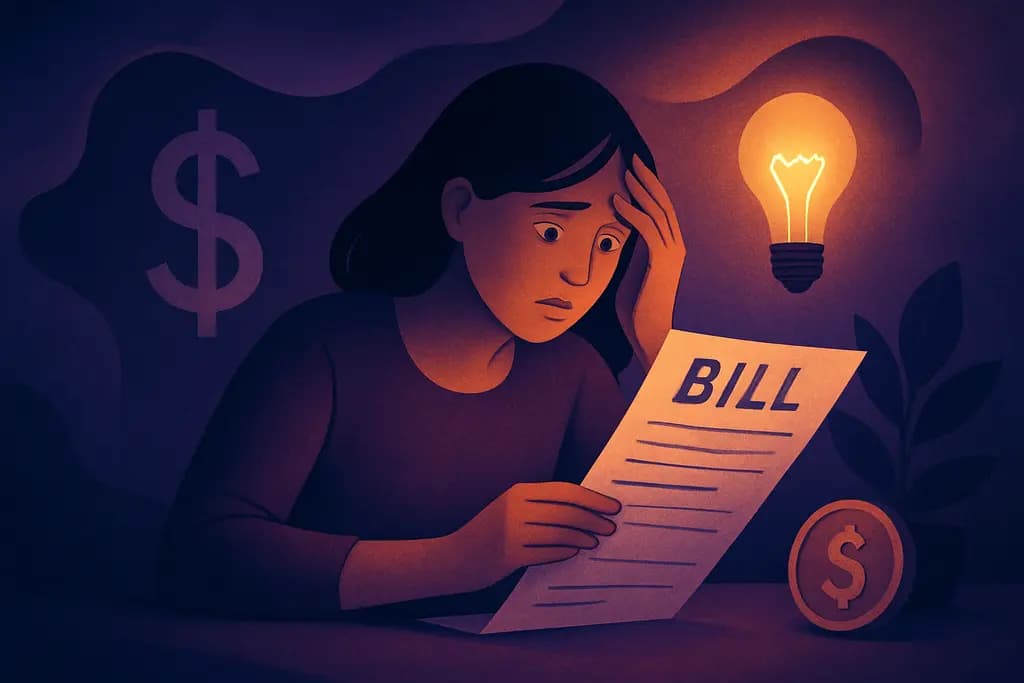
Dreaming about paying an unexpectedly large bill often points to sudden responsibility, surprise obligations, or worry about resources. The exact meaning depends a lot on how you felt in the dream and the real-life context — whether it's work, family, or personal finances. Emotions like shame, relief, panic or calm will change the interpretation significantly.
General meaning of dreaming about Paying an unexpectedly large bill
At its core, this dream usually symbolizes surprise costs or commitments — not only in money but in time, energy, or emotional labor. It brings attention to a gap between expectations and reality: something in your waking life requires more from you than you anticipated. In the context of work and money, that might be an unforeseen expense, a new responsibility at the office, or a contract that demands more resources than planned.
The image of handing over money or facing a large total is a vivid expression of perceived loss, obligation, or accountability. Depending on details — whether you can pay, whether you feel angry or resigned — the dream can point to practical concerns or deeper feelings about fairness and control.
- Unexpected financial pressure or surprise expenses
- Responsibility overload: being asked to cover costs or consequences
- Fear of loss, debt, or diminished status
- A wake-up call to review budgeting, contracts, or workplace roles
- Hidden costs: emotional or time-related obligations that feel costly
Spiritual meaning of Paying an unexpectedly large bill in dreams
Spiritually, an unexpectedly large bill can represent karmic balancing or an energetic accounting. Many traditions use the metaphor of "payment" to describe settling debts — not only monetary but moral or spiritual. The dream may signal that unresolved issues or neglected responsibilities are demanding attention so you can move forward.
Different paths frame this differently: some see it as karmic repayment, others as an invitation to practice generosity, accountability, or purification. Universally, the theme is one of clearing what is due so new growth can occur.
Psychological interpretation
Fear, stress or anxiety
If the dream evokes panic or dread, it often mirrors waking anxiety about stability — job security, bills piling up, or imposter feelings at work. Stress dreams about large bills are a common symptom of chronic worry: your mind rehearses worst-case scenarios, preparing you for threats to livelihood.
Relationships and emotional bonds
A large bill in a dream can also symbolize obligations to other people: supporting a partner, family members, or colleagues. If you find yourself paying for others in the dream, it may reflect resentment, caretaking fatigue, or an imbalance in give-and-take within relationships.
Control, power or vulnerability
How you handle the bill in the dream reveals issues around control. Smoothly paying it might show acceptance or competent management; struggling or being forced to pay can indicate vulnerability, loss of autonomy, or feeling exploited. This dream often surfaces when boundaries need reinforcing.
Positive meaning
- A wake-up call leading to better financial planning or clearer boundaries
- An opportunity to face and resolve hidden obligations
- Motivation to restructure spending, contracts, or workplace roles for long-term gain
- Emotional growth through accepting responsibility and learning to ask for help
- Clearing old debts (material or emotional) so you can start fresh
Negative meaning and warnings
- May suggest mounting debt or unexpected financial burdens that need attention
- Can indicate avoidance of financial realities or refusal to set boundaries
- Might point to burnout from taking on others' responsibilities
- Can indicate a risk of being taken advantage of at work or in relationships
- Might warn of impulsive spending or poorly reviewed agreements
Common variations of dreams about Paying an unexpectedly large bill
- Receiving an unexpectedly large bill in the mail: Often reflects sudden news or obligations arriving from outside your control, such as fees, taxes, or demands that force you to reassess priorities.
- Being unable to pay the bill: Suggests feelings of helplessness, scarcity mindset, or fear of failure. It can also highlight real cashflow worries or anxiety about not measuring up.
- Being asked to cover someone else’s large bill (family or coworker): Points to feeling responsible for others, being overburdened at work, or resentment about unequal contributions in relationships.
- Paying an unexpectedly large tax or government bill: May tie to guilt, accountability, or consequences of past decisions; it can also symbolize bureaucratic pressures or legal/official obligations.
- Paying a huge medical or emergency bill: Often mixes financial fears with worries about health or caring for loved ones; emotionally it can signal the cost of healing or the price of neglect.
- Paying a large business expense or invoice at work: Reflects risk and investment decisions in your career or business — an expense that feels scary now but could be necessary for growth.
- Seeing an unrecognized charge or credit-card bill: Can indicate fears of fraud, loss of control over finances, or anxiety about hidden fees and surprises in contracts.
What to do after such a dream
- Reflect on how you felt in the dream: panic, relief, anger, shame — these emotions point to the issue to address.
- Journal specifics: who was involved, where you were, and whether you could pay. Concrete details map to waking-life concerns.
- Review practical finances and obligations calmly: check budgets, upcoming bills, contracts, or workplace duties to see if any surprises are looming.
- Talk it through with a trusted person: a partner, colleague, or financial mentor can help you separate emotion from facts.
- Set or reinforce boundaries at work and in relationships to avoid being asked to shoulder unfair costs.
- Take small, concrete steps rather than immediate large decisions: create a plan, prioritize actions, and delay major commitments until you feel clearer.
- Use grounding practices — deep breathing, brief walks, or mindfulness — to reduce anxiety before making financial or career choices.