Dream About Paralysis – Meaning
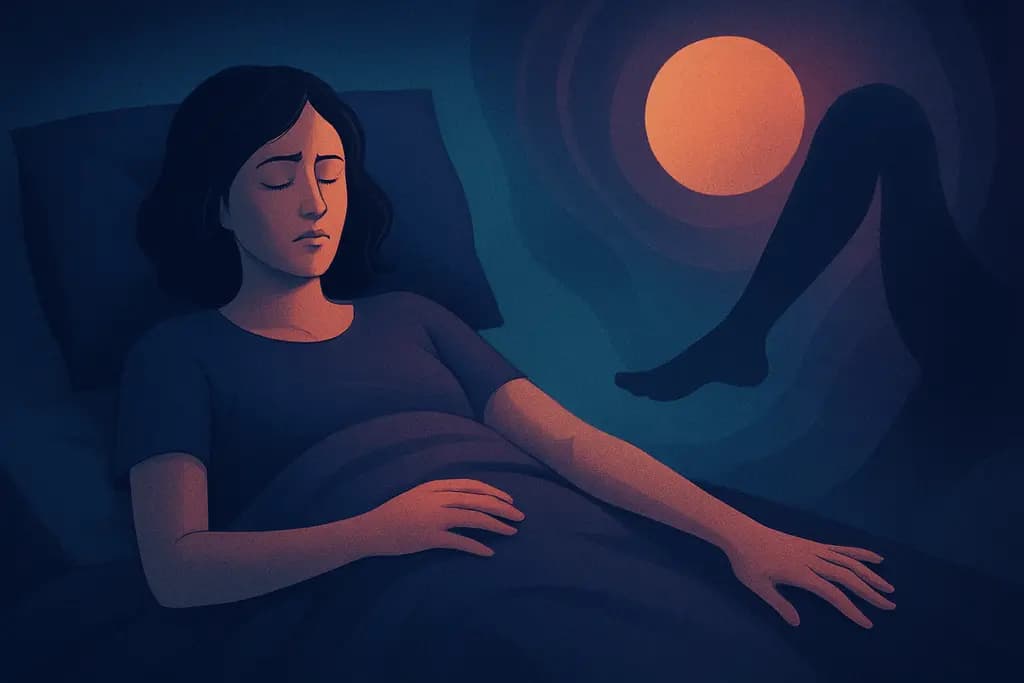
Category: Body & Health
Quick interpretation
At its core, paralysis in a dream commonly signals a perceived lack of agency tied to a concrete waking situation—missed deadlines, an avoided phone call, or a relationship where you feel overpowered. The dream compresses the conflict into bodily immobility so you experience the cost of inaction: fear, humiliation, or relief. Sometimes the paralysis arrives with panic; other times it comes with a curious calm that suggests resigned acceptance. Pay attention to who’s present and what you’re trying to do; those details point to the real-world area that needs movement.
Psychological perspective
In many cases, dreaming of paralysis reflects an internal conflict between a strong motivation and a blocked pathway to act. Concrete waking triggers include an upcoming presentation, a postponed conversation, or financial stress that makes decision-making feel impossible. The brain uses bodily imagery—frozen limbs, locked exits—to dramatize helplessness so you can locate it. This is a neutral, non-medical way of seeing the dream: a rehearsal of feeling and response patterns rather than a biological diagnosis.
What this dream usually does not mean
This dream does not usually predict a literal physical paralysis or an unavoidable fate. It is rarely a straightforward prophecy and does not usually work as a literal prediction. Instead, the image commonly dramatizes a psychological or situational block—so avoid treating the dream as an exact forecast of future events.
Three common meanings
Decision paralysis. The dream may point to a specific choice you’re putting off: accepting an offer, ending a tenancy, or confronting a colleague. Your legs or hands failing to move mirror the stalled steps you’re avoiding. Look for small, low-risk actions—one email, a timed phone call—that would interrupt the freeze and restore momentum.
Powerlessness under external pressure. If someone in the dream is controlling you or giving orders, the paralysis can reflect real-life constraints: an overbearing boss, a demanding family role, or financial obligations. The dream highlights where control is being taken from you and where you might need to set boundaries or ask for support.
Freeze response to unresolved fear. Paralysis can echo a trauma-like freeze: a past accident, an abusive encounter, or a frightening medical scare that you haven’t fully processed. The dream may be rehearsing the physical sensation of being unable to flee. Gentle exposure, grounding practices, or talking through the memory can reduce the dream’s intensity over time.
A forced pause for recovery or reflection. Sometimes the immobility is protective—a signal to rest after illness, burnout, or a major life change. The dream nudges you to stop rushing and tend to recovery: sleep, slower pacing, or reassessing priorities. In this reading, paralysis is an invitation to deliberate stillness rather than only a problem to fix.
Unusual details people report
People often report being frozen on a bright stage, trapped under coats in a crowded train, or unable to move while a storm rages outside. Others describe feeling weightless legs, a ticking clock, the smell of antiseptic, or distant announcements that make the scene oddly mundane.
When this dream deserves attention
Take this dream seriously when it recurs, appears after a major stressor, or leaves you anxious during the day. Recurrence suggests an unresolved pattern that your mind keeps bringing up until you experiment with change. It also matters when the dream is tied to a concrete risk—avoiding medical care, not leaving an unsafe situation, or repeatedly missing deadlines. If the dream significantly impairs sleep or wellbeing, consider reaching out to a counselor or a trusted advisor to plan actionable steps.
How different traditions interpret it
Meanings vary across cultures and communities. Western psychological approaches emphasize agency and trauma; some East Asian views might frame the image as blocked qi or lost balance requiring restoration; certain Indigenous perspectives could interpret the dream as a message from ancestors asking for attention to community obligations. No single cultural reading is universally correct—context and personal belief shape which interpretation resonates.
Common questions
Why does this dream repeat?
Why does this dream repeat? It repeats when an unresolved stress or decision stays active in daily life; the dream keeps presenting the stuck feeling until you try a small corrective step or process the underlying fear.
Can this dream be positive?
Can this dream be positive? Yes. It can signal a needed pause for recovery or an opportunity to reassess priorities; sometimes the stillness is restorative rather than purely negative.
Is this about relationships?
Is this about relationships? Often it involves power dynamics—feeling controlled, silenced, or trapped by another person—but it can also point to an internal conflict about how you relate to yourself.
Is this dream a warning?
Is this dream a warning? Rarely a literal warning. It can alert you to a real risk or boundary violation, but it more commonly highlights an area where action or protection is needed rather than predicting a specific event.
Dream meanings connected to this one
If this dream keeps returning, pages about Sleep paralysis (can't move), Aging or Seeing Yourself Old, and Amputated Limb can reveal the related patterns underneath it. They often overlap around insecurity, transition, or stress in everyday life. You may also want to compare it with Blindfolded and unable to see if the same mood or conflict keeps showing up.