Dream About Parades – Meaning
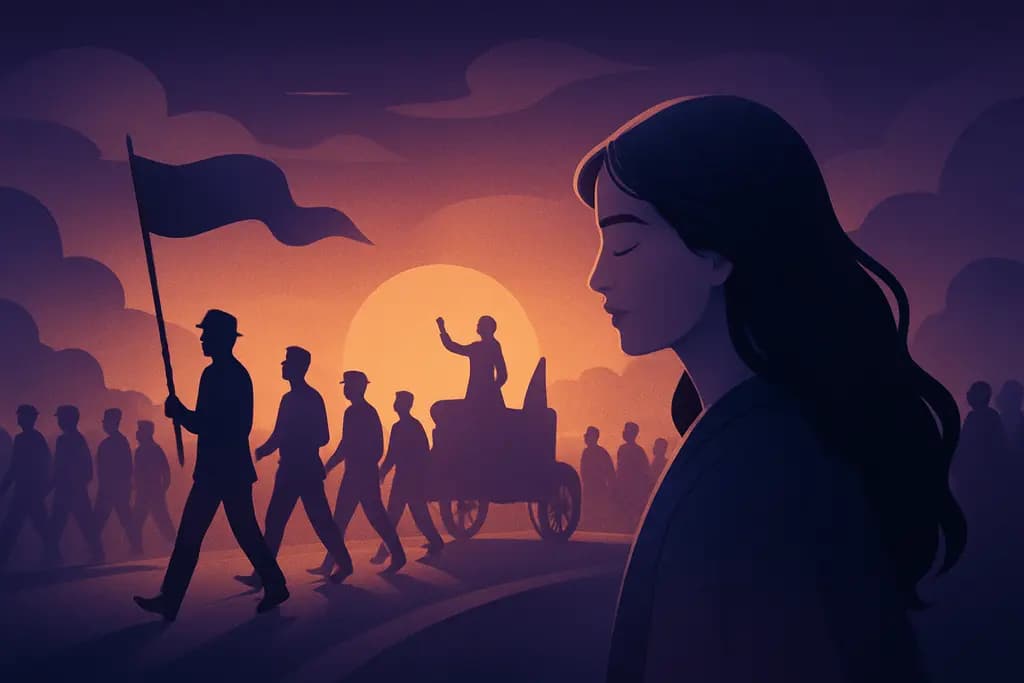
Category: Places
Main interpretation
A parade dream commonly points to how you experience visibility and belonging in waking life. If you’re marching, it may reflect ambition, role-taking, or readiness to be seen; if you’re watching, it may suggest a wish for recognition or an outsider’s perspective. Emotions matter: excitement usually signals anticipation of a positive change, while shame or anxiety can reveal performance pressure. Pay attention to who is celebrated and who is ignored — these details often map onto real relationships, recent achievements, or a life transition you’re navigating.
What your mind may be processing
In many cases, parade dreams are a rehearsal for social identity — who you are when others look your way. They often surface after life events that call for public roles: graduations, job changes, weddings, or a visible hobby. Emotionally, these dreams mix pride and vulnerability; you might feel momentary uplift followed by a sting of comparison. Think of the parade as an internal stage where competing needs — approval, autonomy, connection — play out. Not a diagnosis, but a neutral lens to explore how social expectations affect your mood and decisions.
What this dream is not literally saying
This dream is rarely a literal prediction and does not usually work as a literal prediction that a real parade, promotion, or public ceremony is imminent. Instead, it typically translates social dynamics into dramatic form: attention, approval, ritualized roles. Resist reading it as a calendar event; treat the imagery as symbolic language about your social standing and inner needs.
Three common meanings
Recognition and Achievement. If you’re leading floats or receiving applause, the dream commonly reflects accomplishments that need acknowledgment. It may follow a promotion, finished project, or public milestone. The parade amplifies validation — your mind stages a public ceremony to process pride or to push you toward asking for real-world recognition.
Performance Anxiety and Exposure. Dreaming of stumbling on parade route, missing a cue, or wearing the wrong costume often signals fear of being judged. This angle centers on pressure to perform roles at work, family or social events. The crowd becomes an audience for inner doubts; the dream surfaces nervousness about being watched or not measuring up.
Community, Loss, or Ambivalence. Watching others march while feeling disconnected can point to changing social ties: leaving a group, unresolved grief at lost belonging, or ambivalence about a community role. The parade setting lets the mind stage rituals of inclusion or exclusion so you can feel what you truly miss — or what you’re ready to leave behind.
Concrete details that tend to stand out
People report curious specifics: a stopped float that won’t move, rain turning confetti to pulp, a lone drum that’s out of sync, a child waving a handmade flag, or the parade cutting through a familiar hallway or grocery store. Sensory images — the metallic tang of brass, the thud of boots, or a sudden silence — often linger after waking.
Why recurring versions matter
Recurring parade dreams or those that arrive during stress often signal unresolved social concerns or impending transitions. If the dream repeats with similar imagery — the same float, the same leader, the same feeling — it flags a pattern worth addressing: ongoing anxiety about visibility, a stalled recognition you need, or grief over changing roles. Note whether they intensify around deadlines, relationship shifts, or after major news; recurring versions merit a journal, a trusted conversation, or small behavioral steps like volunteering for visible tasks to test the feelings in waking life.
How different traditions interpret it
Meanings vary across traditions and should not be assumed universal. In some cultures parades honor ancestors and communal memory; in others they celebrate victory, religious festivals, or civic pride. A military parade might read as discipline in one tradition and as suppressed aggression in another. Pay attention to cultural associations that matter to you personally — a carnival route carries different emotional weight than a funeral procession — and weigh those cultural notes when interpreting the dream.
Frequently asked questions
Is it related to stress?
Yes — parade dreams often relate to stress about social evaluation or upcoming public responsibilities. They commonly appear when you’re navigating visible roles or facing pressure to perform.
What should I do after this dream?
Write down details: your position, who cheered, any stumbles. Reflect on recent events that put you in the spotlight and take one concrete step toward resolving the feeling, such as asking for feedback or practicing a presentation.
Is this about relationships?
Sometimes. If the dream centers on a loved one on a float or being ignored by a partner in the crowd, it can reflect relationship dynamics like seeking approval, feeling overlooked, or negotiating public vs private roles.
Why do I feel fear in this dream?
Fear in this dream usually comes from perceived scrutiny or the risk of failing in view of others. The crowd amplifies self-consciousness; identify the specific worry (mistakes, judgment, rejection) to address it directly.
Related dream meanings
Dreams about parades are often connected to Bad Weather, Ballrooms, and black waterfalls. Looking at those nearby themes can help you compare control, fear, pressure, or change across similar dream scenes. You may also want to compare it with Cave if the same mood or conflict keeps showing up.