Dream About Old trunk full of letters – Meaning
Category: Objects
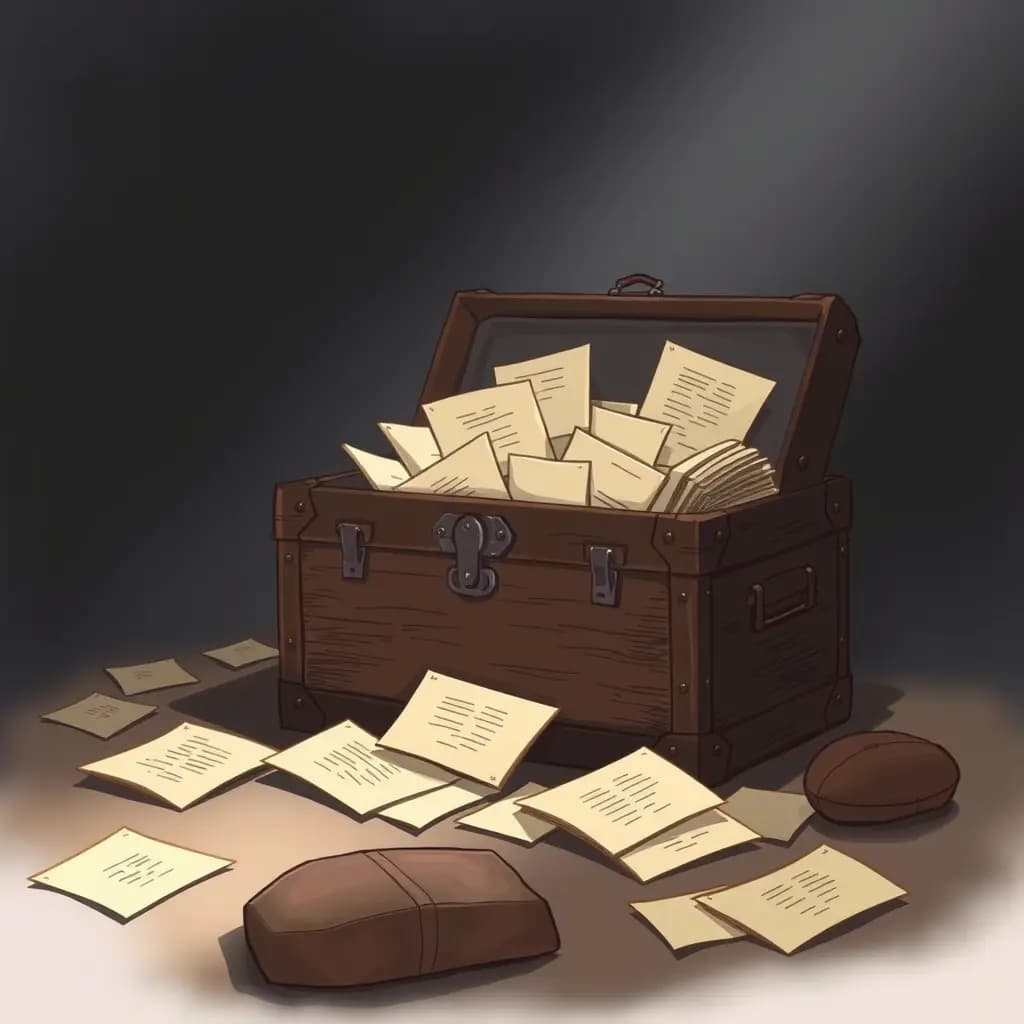
Dreaming of an old trunk full of letters often points to memories, messages, or parts of your past that feel stored away. Such a vision can represent communication that was interrupted, feelings that were kept private, or secrets waiting to be read. The exact meaning depends strongly on your emotions in the dream and the context around the trunk and the letters.
General meaning of dreaming about Old trunk full of letters
At its core, an old trunk full of letters symbolizes the past held in a physical container: memories, unresolved communication, and archived feelings. A trunk implies containment, history, and protection; letters suggest personal messages, confessions, or records of relationships. Together they form a symbol of hidden or preserved emotional information.
Common interpretations include both practical and symbolic angles. Practically, the dream may refer to actual documents, correspondence, or family heirlooms. Symbolically, it usually points to matters that need revisiting — things you once locked away but that still affect you.
- Stored memories or unresolved issues
- Unread or suppressed communications
- Family history, inheritance, or ancestral messages
- Longing, nostalgia, or unresolved grief
Spiritual meaning of Old trunk full of letters in dreams
Spiritually, this dream can feel like an invitation from your inner life or from ancestral guides to open what has been sealed. Many traditions view letters as carriers of intention and energy; an old trunk amplifies the sense that these energies are rooted in past cycles. The dream may suggest a need to acknowledge karmic patterns or to receive guidance from one’s lineage.
Across cultures the image can be read as a call to reclaim lost parts of the self, to honor messages from the deceased, or to integrate lessons that were previously ignored. The emphasis is on retrieval, ceremony, and respectful handling of what is uncovered.
Psychological interpretation
Fear, stress or anxiety
A trunk full of letters can reflect anxiety about things you have not confronted. If the letters feel threatening or overwhelming, the dream may mirror worries about exposure, judgment, or the consequences of revealing the past. The closed trunk can also be a defense mechanism: you keep things shut away to feel safe.
Relationships and emotional bonds
Letters are intimate forms of communication, so the trunk often points to relationships: old romances, family dynamics, or friendships that shaped you. Finding love letters, apology notes, or hurtful messages inside can indicate unresolved attachment or a need for closure. How you feel when reading those letters in the dream can reveal whether reconciliation, forgiveness, or boundary setting is needed.
Control, power or vulnerability
Deciding whether to open the trunk or who has the key speaks to control and vulnerability. If you cannot open it, you may feel blocked from accessing important emotions or information. If others read the letters without your consent, the dream can express fears about losing control over personal narratives or being misunderstood.
Positive meaning
- Rediscovery of important personal history that helps you grow
- Healing through confronting and integrating past wounds
- Reconnection with lost or neglected relationships in a healthier way
- Receiving clarity, insight, or guidance that frees you from repeating patterns
- Creative inspiration from rediscovered stories or documents
Negative meaning and warnings
- May suggest unresolved grief or suppressed emotions resurfacing
- Can indicate avoidance: delaying necessary conversations or decisions
- May warn of secrets that, when revealed, could complicate current relationships
- Can indicate susceptibility to nostalgia that prevents present-moment progress
- May suggest that personal boundaries have been crossed or could be breached
Common variations of dreams about Old trunk full of letters
-
Finding an old trunk full of love letters: Often points to unresolved romantic history, nostalgia, or a longing for emotional connection. It may invite you to reexamine what you want in current relationships.
-
Opening a locked trunk with letters inside: Suggests access to hidden memories or truths. The process of unlocking can represent readiness to face suppressed emotions or family secrets.
-
Unread or unopened letters in the trunk: May indicate avoidance or fear of consequences. Unopened letters often symbolize opportunities for closure that you have not yet taken.
-
Letters from a deceased person in the trunk: Often reads as messages from the past or unresolved grief. This variation can be comforting or unsettling depending on the tone of the letters in the dream.
-
A trunk overflowing with yellowed, fragile letters: Points to long-buried history and the need for gentle handling—emotionally or practically—when dealing with past material.
-
Finding both letters and photographs in the trunk: Suggests a fuller picture of history and identity is available; combining text and images often means both memory and feeling need integration.
-
Burning or destroying letters from the trunk: May represent a desire to release the past, to let go of hurt or obligations. It can be therapeutic if approached consciously, but it may also warn against impulsive erasure of important history.
What to do after such a dream
- Reflect on your emotions: Note how you felt in the dream and after waking; these feelings are important clues.
- Journal what you remember: Write the letters, images, or phrases that stood out to uncover themes.
- Examine current relationships and unresolved conversations: Consider whether there are dialogues you are avoiding or need to reopen.
- Consider gentle rituals: Sorting old messages, creating a memory box, or safely archiving documents can be both practical and symbolic.
- Share with a trusted person: Talking it through with a friend or counselor can help you process insights.
- Take gradual steps toward resolution: If the dream points to difficult issues, small, steady actions—reaching out, setting boundaries, or seeking mediation—often work better than sudden moves.
Remember that dreams are subjective and personal. Use the imagery as a prompt for compassionate self-inquiry rather than an absolute verdict.