Dream About Old photographs fading to nothing – Meaning
Category: Objects
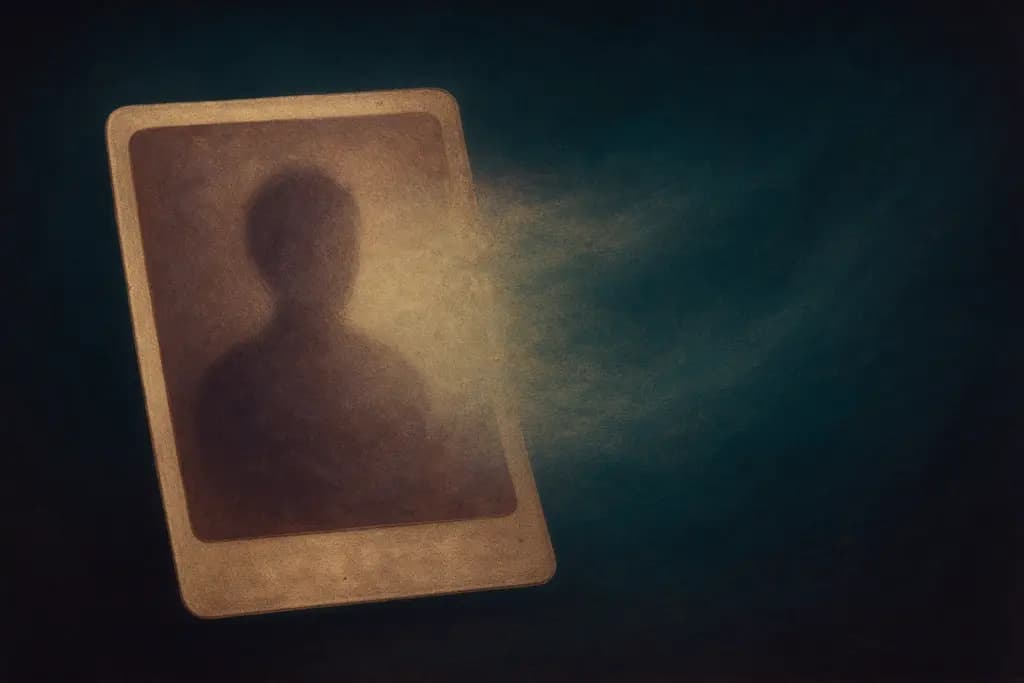
Dreaming of old photographs fading to nothing often points to changes in how you remember the past. It can feel unsettling or strangely freeing depending on whether the images disappear gently or against your will. As with all dream symbols, the precise meaning depends on the emotions you felt during the dream and the waking-life context surrounding it.
General meaning of dreaming about Old photographs fading to nothing
At its core, an old photograph represents memory, identity, and the way we frame past events. When those photographs fade to nothing in a dream, it signals a shift in how you relate to memories—either a slow letting go or a fear that important pieces of your history are being lost.
This symbol typically appears when you are processing change, reassessing relationships, or confronting how time has altered people and places you once held dear. Whether the fading feels peaceful or alarming is a strong clue: peaceful fading can mean acceptance; frantic loss may point to anxiety about forgetting or losing parts of yourself.
- Loss of memory or detail: images that once felt clear becoming indistinct.
- Letting go or closure: releasing past attachments that no longer serve you.
- Identity shift: an evolving sense of self as older stories fall away.
- Fear of erasure: anxiety about being forgotten or losing legacy.
Spiritual meaning of Old photographs fading to nothing in dreams
Spiritually, faded photographs can reflect impermanence and the soul’s movement away from old narratives. Many spiritual traditions emphasize that clinging to the past obstructs present growth; a photograph dissolving can be a symbolic nudge toward inner freedom.
Across traditions—from Buddhist teachings about impermanence to indigenous ideas of ancestral memory—the fading image can mean a release of karmic weight or the quiet unmaking of old patterns. It may also signal a need to reconnect with what truly matters beyond surface memories.
Psychological interpretation
Fear, stress or anxiety
If the fading triggered panic or sadness, the dream may mirror real-life worries about forgetting important facts, failing to honor loved ones, or losing mental sharpness. Stressful life transitions (job loss, moving, illness) often provoke dreams where anchors of identity dissolve.
Relationships and emotional bonds
Photographs often stand in for people and relationships. When they fade, it can indicate emotional distancing, grief, or the natural drifting apart of friendships and family ties. Such a dream can help you recognize attachments that are changing or relationships you may need to address.
Control, power or vulnerability
Watching a photo disappear can evoke feelings of helplessness or loss of control—especially if you tried to stop the fading. This can reflect waking-life situations where you feel powerless to preserve a memory, reputation, or role.
Positive meaning
- Healing and release: making space by letting go of painful memories.
- Fresh start: an opportunity to rewrite your story without old constraints.
- Reduced emotional weight: less attachment to grievances or regrets.
- Reprioritization: focusing energy on present relationships and goals.
- Inner growth: evolving identity that no longer needs certain past narratives.
Negative meaning and warnings
- May suggest suppressed grief: fading images can indicate unresolved mourning that needs attention.
- Can indicate fear of being forgotten: anxiety about legacy or how others perceive you.
- May point to memory issues: recurring dreams of losing photos could mirror concerns about forgetfulness (emotional, not medical).
- Can signal avoidance: the dream may warn you that you are erasing difficult memories rather than processing them.
Common variations of dreams about Old photographs fading to nothing
- Old family photos fading in an album: Often tied to changing family dynamics or a sense that shared history is losing its meaning.
- A wedding photo dissolving: May reflect doubts about a partnership, or a desire to release an old relationship narrative.
- Childhood snapshots turning blank: Can point to lost innocence, unresolved childhood issues, or the need to revisit family roots.
- A beloved person’s image fading slowly: Suggests gradual emotional distancing, grief, or the acceptance of a changed relationship.
- Finding a faded photograph on the street: Could indicate a sudden reminder of someone or something you thought you’d moved past.
- Photograph turning to dust in your hands: Reflects a visceral sense of helplessness about preserving a memory or legacy.
- Someone else’s photos erasing while yours remain: May highlight comparative concerns—worrying about what you’ve kept versus what others lose.
What to do after such a dream
- Reflect on emotions: journal about how the dream felt and which memories came up.
- Review current life changes: note any transitions—relationships, roles, moves—that could be linked to the symbol.
- Revisit physical keepsakes mindfully: if photos trigger strong emotion, consider sorting albums slowly or creating new rituals of remembrance.
- Talk it through: share the dream with a trusted friend or counselor to get perspective on whether you’re avoiding or accepting the past.
- Take small action: if the dream highlights a relationship or decision, consider gentle next steps (a conversation, letter, or personal boundary).
If the dream recurs and causes persistent distress, consider seeking professional emotional support to explore underlying grief or anxiety. These steps help you use the dream as a guide rather than letting it remain a source of worry.