Dream About Old Photographs – Meaning
Category: Objects
A common version of this dream
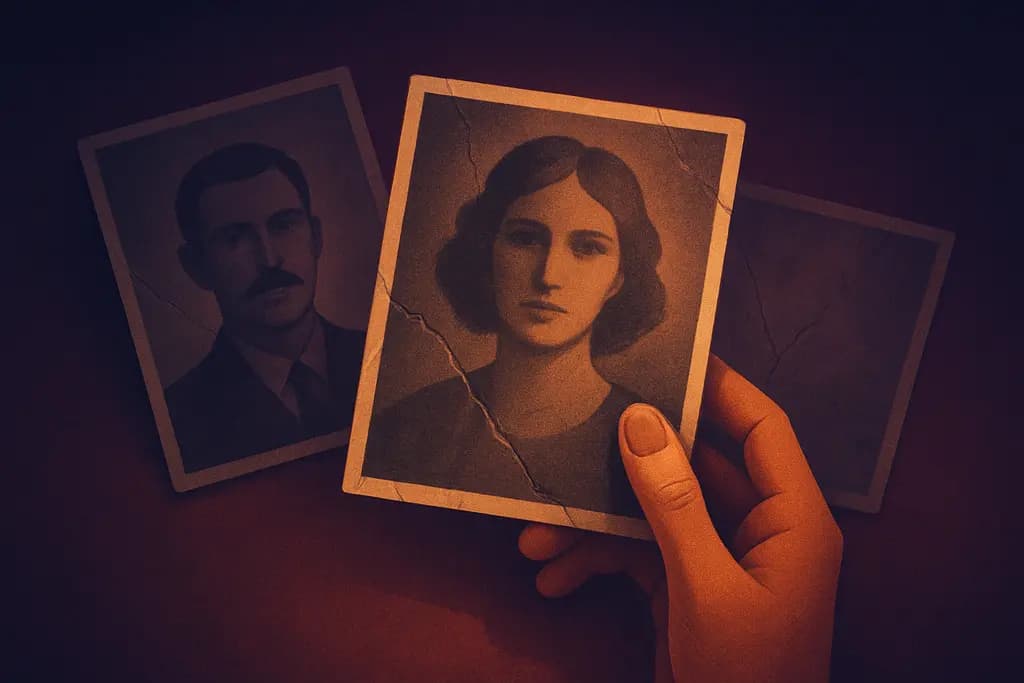
You’re in a dim attic, kneeling on a threadbare blanket, blowing dust off a battered shoebox of photos. The first picture is a sepia family portrait with someone you haven’t seen in years; another is tucked behind a postcard with a date you recognize. Your chest tightens—part nostalgia, part surprise—when a picture falls and its corner curls, revealing handwriting you don’t remember. You feel cold and oddly awake, as if the images are asking you to name what you’ve left undone.
Main interpretation
Dreaming of old photographs most commonly points to memory work and how past roles shape your present choices. A clear, intact photo of a parent may suggest you’re re-evaluating family expectations; a torn or water-stained image can signal regret or a desire to let go. The people in the photos, the condition of the pictures, and your emotional response—comfort, shame, curiosity—are the quickest clues to whether the dream is nudging you toward reconciliation, mourning, or reclaiming a lost part of yourself.
Three common meanings
Revisiting personal history. Finding clear childhood snapshots often points to examining how early experiences shape your identity now. If you finger a school picture and feel warmth, the dream may be inviting you to reclaim traits you admired as a child—curiosity, courage, playfulness—perhaps relevant if you’re choosing a new career, returning to study, or questioning long-standing habits.
Unresolved relationships and grief. Photographs of ex-partners, deceased relatives, or wedding albums commonly reflect unfinished emotional business. A photo with faces scratched out or a name scrawled on the back can indicate regret or unspoken words; the dream may push you toward a real-world step—writing a letter, attending a memorial, or having a frank conversation—to clear those lingering ties.
Longing for closure or change. Damaged, blurred, or burning photos suggest a desire to let go and reshape your story. If images dissolve when you try to look closer, that may mirror fears of losing memory or identity as you plan a big transition—moving house, ending a job, or starting a family. The dream both acknowledges the ache of letting go and signals readiness to move forward.
What this dream is rarely about
This dream is rarely a literal prediction of future events and does not usually work as a supernatural warning about real-world discoveries (like hidden documents or secret relatives). Instead, it typically uses the language of photos—frozen time and captured faces—to highlight emotional priorities, not to forecast concrete outcomes.
Specific details people often mention
People often mention specific sensory details: the attic’s wooden floor creaking, rain tapping the window while you sort images on the kitchen table, the smell of mildew and old perfume, or the distant sound of a train. Some wake with a dry throat or a tingling in their fingers where they held a fragile print.
What your mind may be processing
From a modern, neutral viewpoint, old-photo dreams can reflect how your brain organizes autobiographical memory and assigns emotional weight to past events. Sleep often strengthens links between images and feelings, so a single photo in a dream can activate a cluster of associations—places, smells, remarks you heard decades ago. These dreams are not clinical labels; they’re snapshots your mind uses to process change, test resolutions, or rehearse difficult conversations.
Why recurring versions matter
This dream becomes important when it recurs, comes after a major life event, or intensifies during stress. Repeating an image—same face, same photograph—often indicates an unresolved issue demanding attention, such as a relationship to mend or a grief to process. If the dream surfaces around transitions like moving, divorce, retirement, or the loss of a loved one, treat it as a signal to review practical matters and emotional needs rather than a puzzle to decode overnight.
Frequently asked questions
Why do I feel fear in this dream?
Fear in this dream often comes from encountering unresolved guilt, loss, or an unexpected memory; the fear usually signals emotional vulnerability—feeling exposed by an old truth—not an immediate physical threat.
Is this about relationships?
Often yes: if other people dominate the images, the dream commonly reflects relationship dynamics—unfinished conversations, loyalty, or grief—but sometimes it’s about your relationship with your younger self or public identity.
Is this dream a warning?
Rarely. These dreams don’t usually function as literal warnings. Instead they highlight neglected matters or emotional risks worth addressing; take practical steps if a specific concern arises, but don’t treat the dream as a prophecy.
Related dreams to explore
People who dream about old photographs often end up exploring Balloons, Bicycles, and Bikes next, because the same pressure can show up through different symbols. Comparing them usually makes the emotional pattern clearer. You may also want to compare it with black lost objects if the same mood or conflict keeps showing up.