Dream About Nightmares about missing sleep – Meaning
Category: Sleep & Dream States
A typical dream scenario
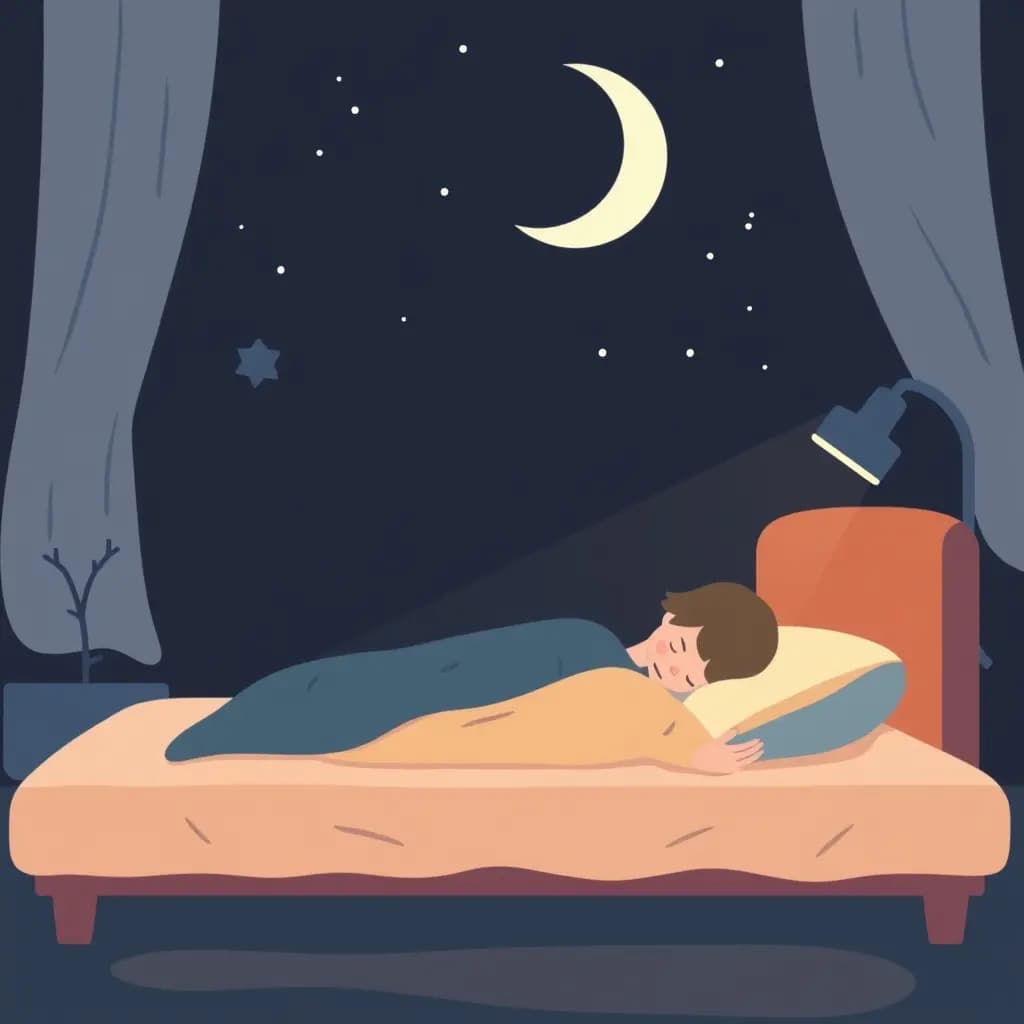
You’re lying in a narrow bed under a thin blanket while a streetlight leaks through the curtains; the clock flashes 3:17 a.m. You try to close your eyes but a list of tasks—a work presentation, a sick parent’s appointment, an unpaid bill—keeps scrolling in your head. Your chest tightens, you check your phone, and the room feels both too hot and too quiet. Panic and exhaustion sit side by side; you keep waking and counting minutes like lost tickets.
What this dream usually means
This dream most often signals anxiety about being mentally or physically depleted: chronic tiredness, pressure to perform, or fear that you’re failing to rest when you need to. It can reflect a literal lack of sleep or, more commonly, an internal sense that you’re running on empty—responsibilities crowding your downtime. Attend to current workload, caregiving demands, or habits that fragment sleep; small changes often reduce recurrence.
How this dream may connect to daily life
- Stress and workload pressure. If you’re juggling deadlines, this dream commonly mirrors an activated stress response. Rehearsing tasks in the dark—emails unsent, meetings, caregiving—creates a replay loop that invades sleep. The dream pushes the sense of unfinished business into nocturnal awareness; tackling even one small task before bed can reduce that replay.
- Boundary erosion and inability to switch off. When work, family, and devices bleed into evening hours, the mind can’t close. Dreams of missing sleep can signal weak boundaries—checking messages late, taking calls in bed, or an always-on mindset. The image of an open door or a hallway noise in the dream often corresponds to intrusions into private time.
- Fear of underperforming or losing control. For people in high-stakes roles or caregiving positions, the dream often reflects fear of not being adequate: missing a shift, forgetting medication, or failing an exam. The bodily sensations—racing heart, shaking hands—mirror the shame and urgency tied to perceived failure rather than literal insomnia.
- Physical sleep debt and circadian disruption. Sometimes the dream is closer to a straight warning about real sleep loss: irregular schedules, shift work, new parenthood, or jet lag. The recurring image of a clock or a bus you miss can map to circadian misalignment. Addressing sleep timing and environment helps; the dream is an internal alarm about recovery needs.
What this dream is not literally saying
This dream is rarely a literal prediction that you’ll lose sleep the next night or that a specific event will make you sleepless. It does not usually mean something mystical is forcing your nights. Instead, it tends to express emotional pressure, habit patterns, or unmet needs rather than forecasting future events.
Unusual details people report
Common vivid details include a flickering alarm clock, a fluorescent hallway outside the bedroom, the sound of a distant train, cold sweat on the forehead, a coffee cup shattered on the floor, or failing to find a door out of a crowded dormitory.
Questions to reflect on
- What specific event or responsibility from the past week keeps replaying in my mind at night?
- Which evening habits (phone use, caffeine, late work) might be shortening or fragmenting my sleep?
- Who or what could I ask for help with to lighten the load before bedtime?
Spiritual meaning
Symbolically, some traditions read sleep as renewal for the soul; a nightmare of missing sleep can be framed as a signal that inner resources need replenishing. Spiritually minded people may see the dream as an invitation to slow down, set sacred rest, or realign priorities. This is offered tentatively: view such an interpretation as a contemplative lens rather than a fixed truth, one of many ways to give the experience meaning.
Common questions
Why do I feel fear in this dream?
Fear comes from the brain treating unmet restorative needs as threats; the dream amplifies worry about being unable to recover or cope, producing bodily alarm sensations that feel like real fear.
What should I do after this dream?
After this dream, note sleep patterns and stressors, do a calming pre-sleep routine, and make one practical change (earlier caffeine cutoff, a short worry-list). If nightmares persist, consult a sleep specialist or therapist.
Why does this dream repeat?
Repeating dreams usually reflect ongoing activation—unchanged stress, schedule disruption, or a persistent mental loop. The dream repeats until the underlying pressure or habit is altered.
Related dreams to explore
People who dream about nightmares about missing sleep often end up exploring Recurring silent alarm, Weightless limbs sensation, and Can't fall asleep in dream next, because the same pressure can show up through different symbols. Comparing them usually makes the emotional pattern clearer. You may also want to compare it with Waking every hour if the same mood or conflict keeps showing up.