Dream About Night terrors in adult life – Meaning
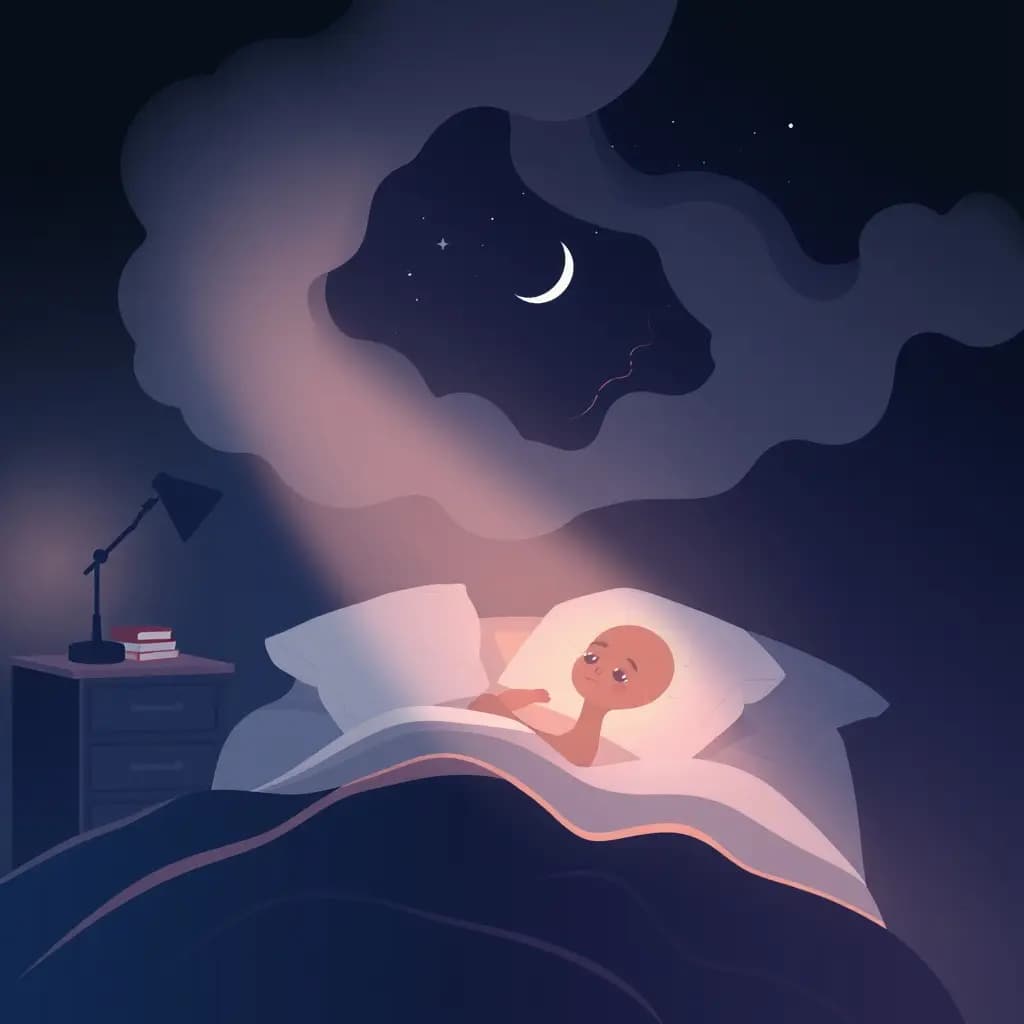
Category: Sleep & Dream States
What this dream usually means
This dream usually means your nervous system is replaying unresolved alarm responses tied to stress, transition, or old fears. Rather than a literal threat, the dream compresses events—a job layoff, a break-up, caregiving strain—into intense scenes (locked doors, falling, being chased) that trigger raw fear. It commonly reflects a gap between what you feel capable of handling and the demands placed on you. It can feel both isolating and oddly clarifying: the terror highlights what your mind wants you to address in waking life.
Psychological perspective
In many cases, night terrors in adults reflect the brain’s threat-detection networks rehearsing responses when waking coping feels insufficient. The episodes are an expression of emotion—fear, helplessness, shame—linked to concrete events like a layoff, a breakup, or a sudden responsibility. Think of the dream as an alarm system: intense, primitive, and not elegant. It signals what the waking mind hasn't integrated yet, so the scene uses vivid symbols to pull attention to unresolved material.
What this dream usually does not mean
This dream is rarely a literal prediction of future events or physical danger. It does not usually mean a supernatural attack or an imminent catastrophe. Instead of reading it as prophecy, treat it as a symbolic alarm that highlights emotional pressure or a mismatch between your needs and your circumstances.
Three common meanings
- Unprocessed Trauma or Past Alarm. Night terror scenes of being trapped, attacked, or pinned down can reflect memories that never fully settled—an accident, a childhood panic, or an argument that felt unsafe. The dream reactivates that original alarm to force attention; the body reacts before the conscious mind can reframe the memory.
- Acute Stress and Overload. If episodes begin after long shifts, a breakup, or a caregiving period, the dream often signals acute overload. The chase, falling, or losing teeth imagery compresses work deadlines and emotional strain into one dramatic thread, acting as an overnight pressure valve that nonetheless disrupts rest.
- Fear of Loss of Control or Identity Shift. Dreams of doors that won’t open, being late, or losing clothing can map onto life transitions—promotion, parenthood, retirement—that unsettle your sense of self. The terror arises from perceived inability to adapt, as though the world’s requirements have outpaced your resources.
- Sleep Fragmentation and Physical Triggers. Sometimes the brain’s arousal systems are bumped awake by breathing changes, noise, or medication shifts; the terrified content fills in the sudden wakefulness. When sleep is shallow or fragmented, the mind often stitches intense scenes around the physiological jolt, producing night terrors even without major psychological change.
Concrete details that tend to stand out
People often report very specific sensory details: the metallic sound of a locked door, the scrape of shoes on stairs, cold rain on the face, the smell of gasoline, or the sudden sensation of limbs refusing to move. Some note a pulsing engine noise or distant crowd chanting that makes the scene feel cinematic and unforgettable.
When this dream deserves attention
Pay attention when the episodes recur, leave you exhausted during the day, or begin after a clear stressor—such as a new job, loss, or a traumatic event. That pattern suggests unresolved fear or an ongoing life transition that’s affecting sleep architecture. Keep a short diary noting timing, triggers (alcohol, shift work), and repeated images; if frequency increases or daytime functioning suffers, consider discussing it with a sleep specialist or therapist to map stressors and coping options.
How different traditions interpret it
Meanings vary widely across cultures. Some folk traditions read night terrors as visits from spirits or omen-like messages; Jungian-influenced approaches treat them as shadow material needing integration. Other communities see them as a sign of imbalance—diet, ritual neglect, or ancestor disturbance—and respond with specific remedies. No single cultural interpretation is definitive; the same image can be seen as psychological guidance in one tradition and a moral sign in another.
FAQ
Is this about money?
Is this about money? Sometimes. If you are actively worried about finances, your mind often uses chasing, falling, or being late as shorthand for that fear. If money worries coincide with the episodes, address finances concretely and note whether the dreams ease.
Can this dream be positive?
Can this dream be positive? Yes. Although terrifying, these episodes can indicate your psyche is processing and signaling what needs change. Over time, confronting the underlying stress or making practical adjustments often reduces frequency and restores calmer sleep.
Why do I feel fear in this dream?
Why do I feel fear in this dream? The dream taps fast arousal systems tied to survival—heart rate, sweating, the urge to run—so the fear is real at the body level. The brain’s imagery gives that arousal a narrative (being chased, trapped), intensifying the subjective terror.
Why does this dream repeat?
Why does this dream repeat? Repetition usually means the underlying issue—anxiety, unresolved memory, or sleep disruption—hasn’t been resolved. The brain keeps rerunning the scenario until the waking mind processes the associated emotion or the sleep pattern changes.
Related dream meanings
If this dream keeps returning, pages about Dream with too-bright colors, Recurring dream that's fading, and Dream ending mid-sentence can reveal the related patterns underneath it. They often overlap around insecurity, transition, or stress in everyday life. You may also want to compare it with Inability to wake up dream if the same mood or conflict keeps showing up.