Dream About Mirrors – Meaning
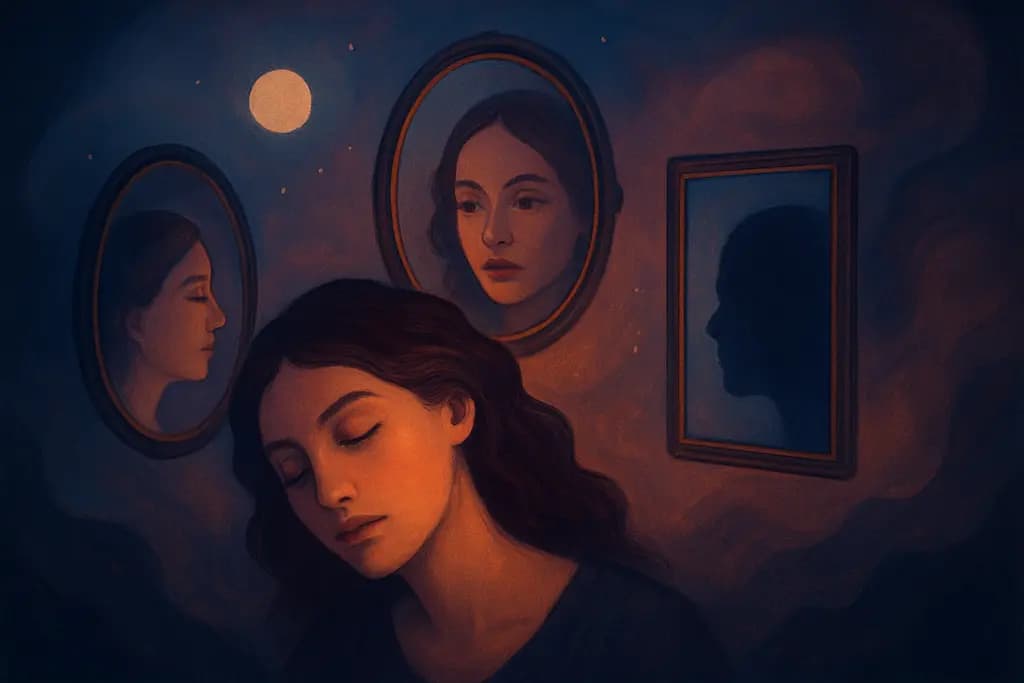
Category: Objects
Main interpretation
A mirror in a dream most directly points to how you see yourself and the parts of your life you’re evaluating right now. If you watch your expression, adjust clothing, or flinch at a flaw, the dream may be signaling concern about reputation, identity, or authenticity. If the mirror is shattered or fogged, it commonly suggests confusion or a fragmented sense of self. It can feel unsettling and oddly freeing at the same time: an invitation to notice what you ignore in waking life.
What it can reflect emotionally
In real life, mirror dreams often reflect internal evaluation and social self-monitoring. From a modern psychological angle, they can indicate heightened self-awareness during stress, stages of identity work, or reconsideration of personal narratives after a major event. Emotions in the dream—shame, relief, curiosity—map onto current mental scripts about competence, acceptance, and control without implying clinical diagnosis or fixed meaning.
What this dream usually does not mean
This dream is rarely a literal prediction of future events. It does not usually mean a forthcoming betrayal, immediate public exposure, or a supernatural warning. Instead, mirror dreams most often reflect inner evaluation and emotion rather than acting as direct prophecy.
Key interpretations
Self-image and identity. A clear, intact mirror where you study your face typically points to active work on self-image: rehearsing for an interview, changing appearance, or considering a new role. If you feel critical in the dream, it may mirror waking self-criticism about competence or looks. This interpretation is about how you present yourself and whether you accept or resist that image.
Hidden aspects and honesty. A mirror that reveals something you weren’t expecting — a different age, another person, or a hidden mark — often signals discovery of a concealed trait or truth. This can mean uncovering a habit, admitting a fear, or recognizing motivations you’d pushed away. The dream nudges you toward greater honesty with yourself.
Change, transitions, and reunion. Mirrors used in the context of doors, packing, or stepping out suggest a life transition: moving cities, changing careers, or ending a relationship. Seeing yourself put on different clothes or leave the mirror behind commonly points to preparing for a new role or reconciling who you were with who you’re becoming.
Unusual details people report
People often report mirrors set in unusual rooms — a cracked mirror in an empty school hallway, a mirror propped against a car dashboard, or one behind a church pulpit. Some hear a distant hum, feel cold breath on the neck, or notice their reflection moving slightly out of sync with their body.
When to take this dream seriously
Take a mirror dream seriously when it repeats, surfaces after repeated stress, or follows a major life change like a job loss, breakup, or relocation. Recurring mirror dreams often point to unresolved identity work or persistent self-criticism. If the dream arrives during sleepless weeks, heightened anxiety, or right after a confrontational event, it may be a signal to pause and examine decisions, boundaries, or the stories you tell about yourself.
Symbolic meaning across traditions
Meanings assigned to mirror dreams vary widely across cultures. In some folk traditions mirrors are portals or omens; in others they are simply signs of vanity to be avoided. Many religious and indigenous systems emphasize communal identity over personal reflection, so a mirror might carry different moral or social weight. Avoid assuming a single cultural interpretation applies universally; ask which tradition you identify with before applying a specific symbolic reading.
Frequently asked questions
What should I do after this dream?
After this dream, take a quiet moment to list one tangible area of self-presentation or a recurring worry the dream highlighted, then pick one small action (change an outfit, rehearse a talk, write a letter) to test whether that concern shifts.
Is it related to stress?
Yes. Mirror dreams commonly show up during stress because heightened self-scrutiny and social worries become more active at night. They often reflect worry about image, not a direct cause of the stress.
Can this dream be positive?
Yes. A mirror dream can be positive when it shows clarity, a calm reflection, or you accepting your image — those scenes often signal growing self-acceptance, renewed confidence, or successful adjustment.
Is this about relationships?
Sometimes. If the reflection involved a partner, family member, or social setting, the dream may be about relationships — how you present yourself to others or how another person affects your self-view.
Related dreams to explore
If this dream keeps returning, pages about Balloons, Bicycles, and Bikes can reveal the related patterns underneath it. They often overlap around insecurity, transition, or stress in everyday life. You may also want to compare it with black lost objects if the same mood or conflict keeps showing up.