Dream About Lost in the Woods – Meaning
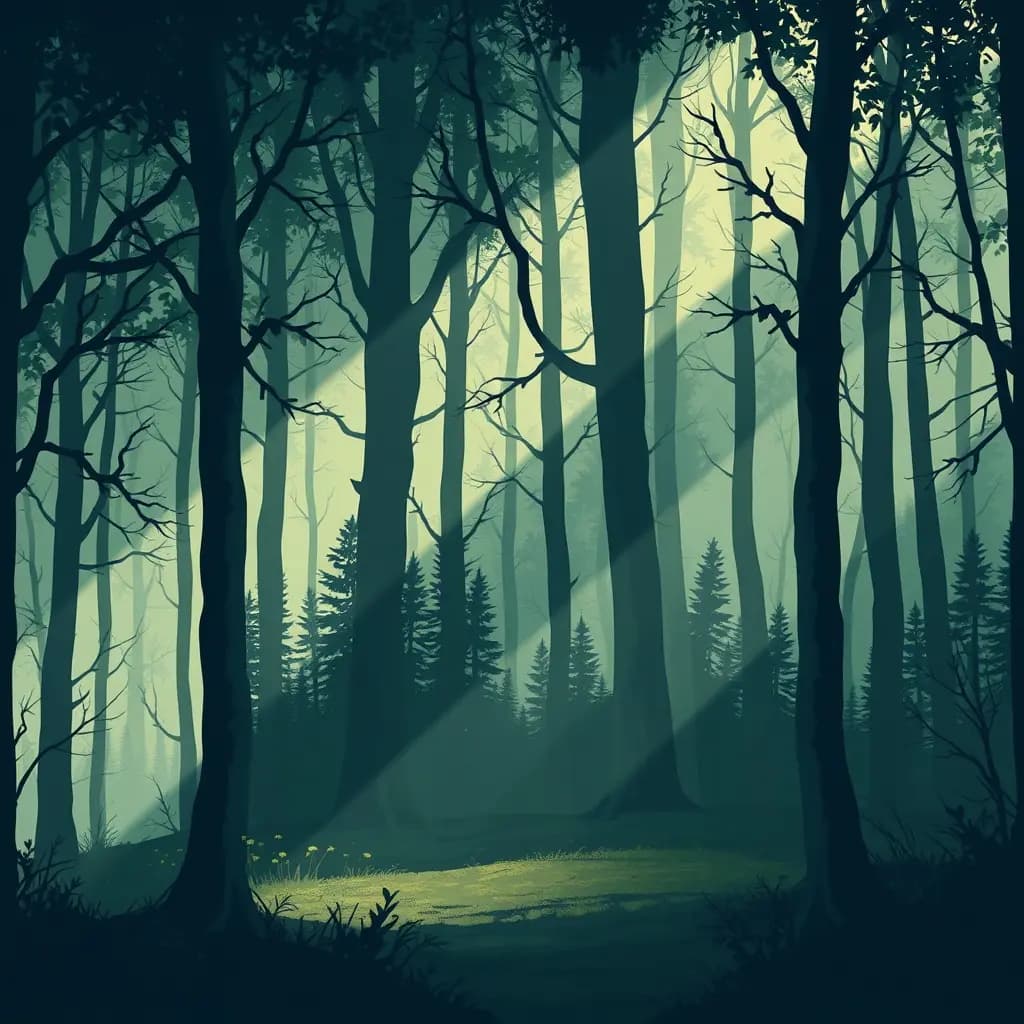
Category: Places
Dreaming that you are lost in the woods often feels vivid and unsettling — a symbol that commonly points to confusion, uncertainty or a turning point in waking life. The exact meaning depends heavily on how you felt in the dream (panicked, calm, curious) and on details like time of day, company, or whether you find your way out.
General meaning of dreaming about Lost in the Woods
At its core, being lost in the woods in a dream represents a sense of disorientation: you may be navigating unfamiliar territory in life, facing choices without a clear path, or experiencing inner confusion. Woods and forests are liminal places — neither completely safe nor openly hostile — which makes them powerful symbols for transitions, hidden aspects of the self, and the need to slow down and pay attention.
Common interpretations include feeling overwhelmed by options, being in a period of personal growth that feels uncertain, or confronting aspects of the unconscious that are hard to map. Context is crucial: a calm, exploratory lost-in-the-woods dream can point to introspection and discovery; a fearful, night-time version often highlights anxiety or a sense of being trapped.
- Loss of direction in work, relationships, or personal goals
- A transitional phase or rite of passage
- Hidden emotions or unconscious material coming to the surface
- A need to pause, reflect, and reorient priorities
Spiritual meaning of Lost in the Woods in dreams
Spiritually, woods often symbolize the inner journey — a descent into the soul to encounter truths that everyday life hides. Many spiritual traditions use the forest as a metaphor for testing, purification, or the path to greater wisdom: the dark woods can be the trial before a revelation or the quiet needed for inner guidance to appear.
Depending on your belief system, the dream may suggest a call to deepen your spiritual practice, seek solitude for clarity, or trust guidance that arises from within. In universal terms, it can indicate an invitation to integrate shadow elements and emerge with greater wholeness.
Psychological interpretation
Fear, stress or anxiety
When the dream is charged with panic, rapid heartbeats, or a desperate search for an exit, it commonly mirrors waking anxiety. You may feel pressured by deadlines, overwhelmed by responsibilities, or uncertain about future outcomes. The unfamiliar trees and paths can represent cognitive overload or an inability to see a clear solution.
Relationships and emotional bonds
If the dream involves other people — being lost with a partner, child, or friend — it can reflect relational uncertainty. You might feel disconnected from someone important, unsure how to communicate, or anxious about the direction of a relationship. The woods can symbolize the emotional terrain between you and another person.
Control, power or vulnerability
Feeling lost often exposes issues around control: you may be experiencing helplessness, a loss of agency, or vulnerability to forces outside your control. Alternatively, accepting the uncertainty in the woods can signal a healthy surrender to circumstances you cannot immediately change and a willingness to adapt.
Positive meaning
- Opportunity for self-discovery and inner work: being lost can push you to explore values, beliefs, and hidden talents.
- Personal growth and transformation: emerging from the woods often represents renewing your sense of purpose.
- Slowing down and gaining clarity: the dream may encourage retreating from busyness to reassess priorities.
- New creative insight: unfamiliar landscapes in dreams can stimulate fresh ideas or solutions.
- Strengthening resilience: navigating confusion in a dream can mirror building coping skills for real life.
Negative meaning and warnings
- May suggest avoidance: the dream can indicate you are dodging a decision or uncomfortable truth.
- Can indicate emotional overwhelm: persistent dreams of being lost may point to unresolved stress that deserves attention.
- May suggest social or relational drift: feeling lost with others in the woods can indicate growing distance in important relationships.
- Can indicate reduced confidence: frequent versions of this dream might reflect eroding self-trust or indecision.
Common variations of dreams about Lost in the Woods
- Lost in the woods at night — Often amplifies fear and the unknown; may point to anxiety about an unclear future or hidden threats you feel unprepared to face.
- Lost in thick, tangled forest — Suggests complicated problems or emotions that feel knotted and hard to unravel; you may need to untangle priorities one step at a time.
- Lost in the woods with a child or loved one — Highlights concern for someone else’s safety or uncertainty about shared responsibilities and the direction of close relationships.
- Lost in the woods but find a clearing — A hopeful variation: the clearing represents gaining perspective, a solution emerging, or a moment of calm after a confusing period.
- Lost on a marked trail versus off-trail — Getting lost while on a trail can point to broken plans or external obstacles; being off-trail suggests inner drift or exploration outside established norms.
- Lost while camping or hiking — Often reflects real-life worries about practical preparation, boundaries, or a fear that a chosen path may be riskier than anticipated.
- Lost but with a compass or phone that doesn’t work — Symbolizes inner tools or resources that feel unreliable; may indicate a need to develop new skills or sources of guidance.
What to do after such a dream
- Reflect on emotions: write down how you felt in the dream — fear, calm, curiosity — and look for parallels in waking life.
- Review current life situations: assess areas where you feel directionless — career, relationship, health, or creative projects.
- Consider relationships and responsibilities: ask whether someone’s needs or a partnership is contributing to your sense of being lost.
- Re-evaluate decisions: identify choices you’ve postponed and whether small steps could reduce uncertainty.
- Create practical anchors: routines, lists, or a trusted friend or mentor can help you orient when life feels confusing.
- Use the dream as a prompt for inner work: journaling, meditation, or creative expression can help map the hidden parts of the forest.
If the dream recurs and strongly affects your daily life, consider talking with a counselor, therapist, or a spiritual advisor to explore deeper patterns.