Dream About Losing hours in a room – Meaning
Category: Time & Memory
What this dream usually means
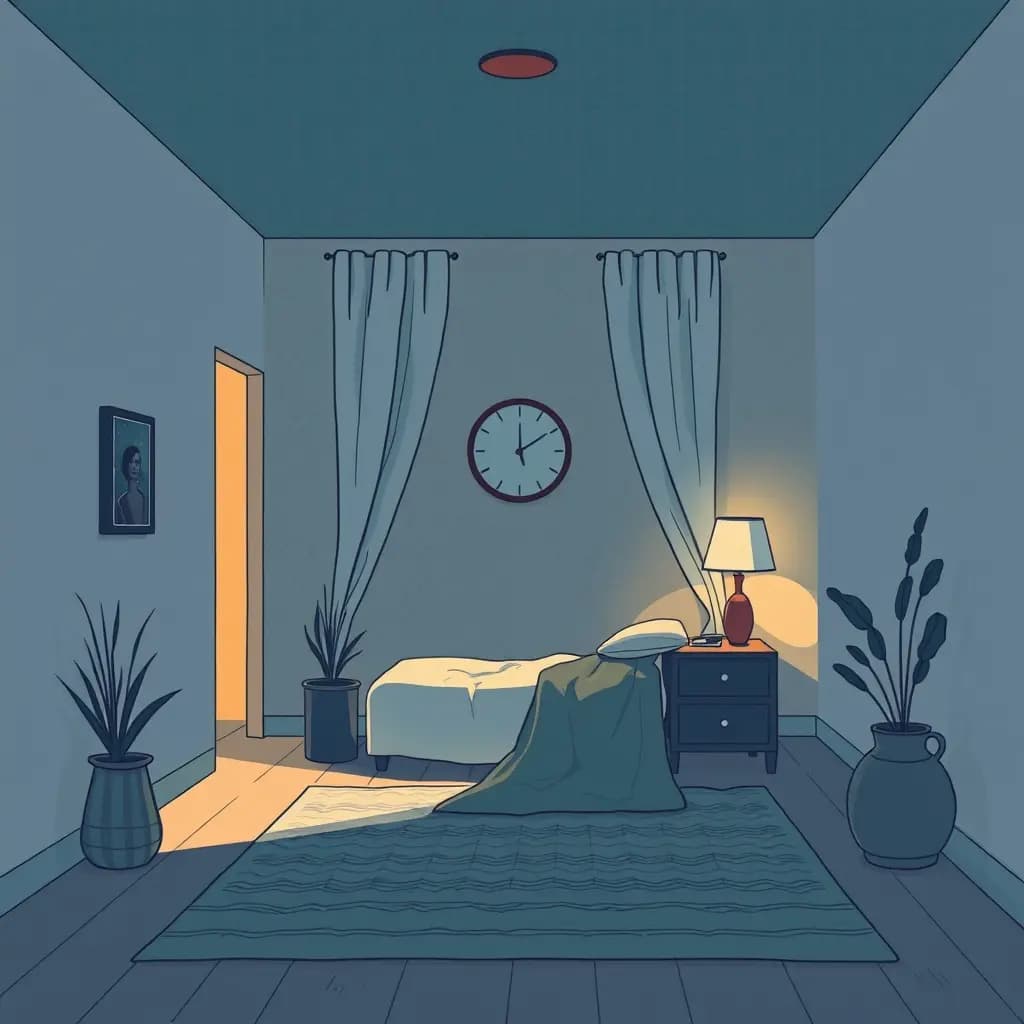
This dream commonly means you feel time slipping away in a situation where you feel stuck — a stalled project, a stalled relationship, or days that blur under heavy routine. The room represents a confined life-space (work, a home role, a single relationship) and the lost hours symbolize opportunities, attention or decisions you feel you wasted or didn’t control. There’s often an emotional blend of regret and urgency; it may be a prompt to reclaim small blocks of time or change how you divide your day.
What your mind may be processing
From a modern, neutral viewpoint this dream often reflects how attention and memory compress under stress. Events like missed deadlines, a heated exchange, or unstructured weekends can make hours feel like they vanished; the brain stitches those gaps into a single scene: a closed room. In real life, when you multitask or ruminate, time perception changes and the mind dramatizes that change. The dream expresses anxiety about lost productivity and a desire to regain control, not a clinical diagnosis.
What this dream is rarely about
This dream is rarely a literal prediction of missing time or paranormal time loss and does not usually mean someone is stealing hours from you. It does not usually work as a forecast. Instead, it more often dramatizes emotional experience — procrastination, overlooked responsibilities, or disorientation — rather than describing an actual disappearance of hours.
Key interpretations
Burnout and time fragmentation. If you’re juggling long workdays, caregiving, or back-to-back tasks, the room can stand for an overloaded schedule and the missing hours reflect fragmented attention. You may be losing meaningful minutes in repetitive activities—commutes, meetings, late-night email—that erode energy. The dream can push you to identify one routine to shorten or one boundary to set so whole hours feel less like they’re slipping away.
Avoidance, memory gaps, or unresolved choice. When a difficult decision, argument, or traumatic memory sits behind a door you won’t open, the dream can manifest as lost time: the mind hides hours to protect you from confronting it. The empty chair or locked drawer points to avoidance. Addressing the underlying choice—calling someone, finishing paperwork, or seeking closure—often reduces the urgency and the dream’s intensity.
Specific details people often mention
People often report a single, stubborn clock with hands spinning backward, a rain-streaked window, a fluorescent hum, or the smell of old coffee on a table. Some dreamers notice crowds beyond the door but hear no voices, or feel their heart racing and fingers numb.
When to take this dream seriously
Take this dream seriously if it recurs after a period of stress, major life change, or a specific unresolved fear — for example, repeated dreams after a breakup, job change, or ongoing insomnia. Recurrence suggests your mind is flagging an issue that practical steps could address: adjusting schedules, setting boundaries, or seeking closure. There’s an emotional contrast here: urgency meets quiet shame; acting on small, concrete changes often reduces both.
Symbolic meaning across traditions
Meanings vary across traditions: in Western cultures the dream often reads through productivity and responsibility, while some Eastern or indigenous perspectives might see the room as a space of inner balance or karmic recalibration. Folk traditions might interpret lost hours as a need to restore household rituals. Always note that cultural frames differ: the same image can be a productivity alarm in one context and a spiritual prompt in another.
Common questions
Is this about relationships?
Is this about relationships? It can be. If the room in your dream feels like a specific home or partner’s space, the missing hours may reflect time you’ve lost to caretaking, avoidance of difficult conversations, or a relationship that consumes your schedule.
Can this dream be positive?
Can this dream be positive? Yes. It can motivate you to reclaim small pockets of time, set boundaries, and refocus on what matters. Some people wake determined to change one habit after a vivid version of this dream.
Why do I feel fear in this dream?
Why do I feel fear in this dream? Fear usually comes from the experience of lost control: deadlines, social judgment, or regret about missed chances. The room compresses those anxieties into a tangible scene where you cannot easily fix what vanished.
Why does this dream repeat?
Why does this dream repeat? Repetition often signals an unresolved practical problem—chronic overwork, an avoided choice, or ongoing stress. The dream keeps returning until you either act on the prompt or the situation changes materially.
Dream meanings connected to this one
If this dream keeps returning, pages about Calendar pages tearing themselves, Rewatching last year's day, and Clock melting on wall can reveal the related patterns underneath it. They often overlap around insecurity, transition, or stress in everyday life. You may also want to compare it with Forgotten childhood diary appears if the same mood or conflict keeps showing up.