Dream About Losing child in store – Meaning
Category: Lost & Found
Quick interpretation
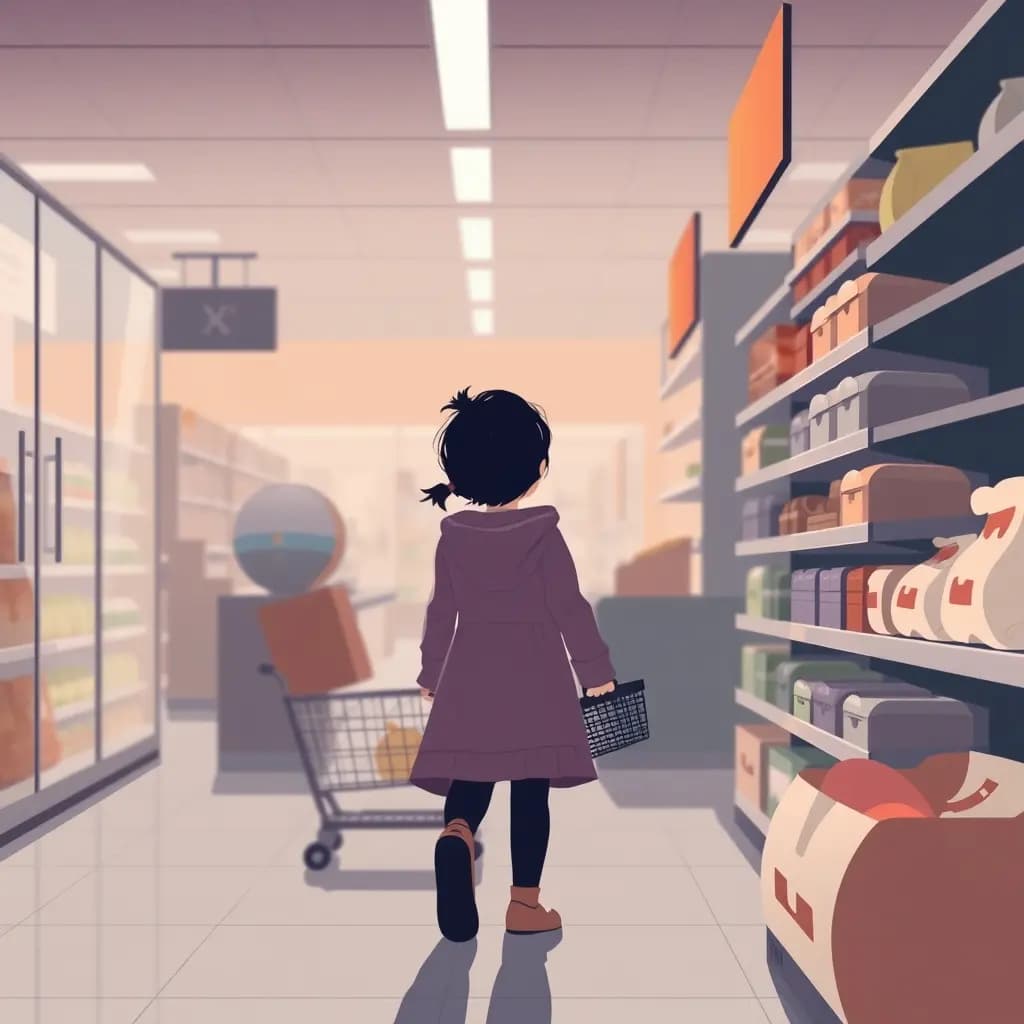
Most often, dreaming you lose a child in a store reflects anxiety about responsibility and a sense of losing control in public, not a literal warning about your child’s safety. It commonly points to concerns about managing obligations, boundaries between independence and protection, and stress around transitions (new roles, schedules, or family logistics). The scene of crowded aisles and missed sightlines stands in for real-life overwhelm; the urgent search is your mind rehearsing how to cope and re-establish order.
What your mind may be processing
Interestingly, your brain often uses vivid, emotional scenes to rehearse solutions and process stress. From a modern, non-medical viewpoint, this dream can be a protective rehearsal: your mind simulates a worst-case scenario so you can practice vigilance and problem-solving. Emotional triggers include sleep deprivation, heightened responsibility, and fragmented attention. The dream space lets you confront panic safely — notice patterns: who else is present, whether you find the child, and what method you use to search.
Three common meanings
- Parental responsibility and overwhelm. This dream can surface when caregiving demands increase: a newborn, added childcare duties, or juggling work and family. The busy store represents clipped schedules and limited attention; the lost child dramatizes the fear of dropping the ball. Practical takeaway: map the busiest parts of your day and identify one task to simplify or delegate.
- Fear of losing control over a life area. Losing a child can symbolize a broader worry about control — finances, a career shift, or health concerns. The aisles and obstruction of sightlines are metaphors for obstacles blocking your usual oversight. Consider which responsibilities feel most slippery and what small system (a checklist, calendar, boundary) would restore your sense of agency.
- Separation, independence, and identity. If your child in the dream is older, the image may reflect anxiety about them asserting independence or about your changing identity as a parent. The store becomes a public arena where choices are visible and irreversible. Reflect on whether you are resisting a natural separation or need to adjust expectations to support autonomy.
- Memory, guilt, or an unresolved incident. Sometimes the dream recalls a real past panic: a forgotten moment at a store, a near-miss, or a scolding related to care. It may replay to process guilt or to encourage making amends. Actionable step: review recent close calls and take a concrete precaution (safety plan, emergency contacts) to reduce replay.
What this dream is not literally saying
This dream is rarely a literal prediction that your child will go missing; it does not usually function as a prophetic message. Instead it tends to dramatize emotional risk — fear of failing, of being overwhelmed, or of losing part of your role. There’s an emotional sting to the scene, but it more commonly signals pressure than a factual forecast.
Concrete details that tend to stand out
People often remember specific sensory fragments: a red balloon bobbing above a crowd, a locked glass door between aisles, echoing store announcements, a carousel of carts, or the tactile image of reaching hands and sweating palms. Sometimes a familiar cashier’s voice or the sudden silence after a child’s laughter lodges in memory.
When this dream deserves attention
This dream deserves attention if it repeats, leaves you waking anxious, or appears during major changes (pregnancy, moving, job change, caretaking spikes). A single, one-off dream after a stressful day is less urgent than a recurring pattern that disrupts sleep or daily function. Notice if the dream’s theme transfers into waking life: increased checking, avoidance of outings, or strained relationships. Those are signs to adjust routines, ask for help, or create clearer safety plans.
Symbolic meaning across traditions
Meanings vary across cultures: in many Western contexts the dream connects to parenting identity and independence; some Eastern traditions might frame it in terms of family duty or harmony; Indigenous interpretations can emphasize community responsibility and relational balance. These frames shift which element of the dream is emphasized — individual anxiety, social reputation, or communal roles — so cultural background shapes whether the image feels shameful, instructive, or prophetic.
Frequently asked questions
Can this dream be positive?
Yes. The dream can be positive by surfacing issues so you can address them — prompting practical changes, stronger boundaries, or renewed attention to what matters most.
Is this about relationships?
Often yes. It can reflect relationship dynamics — between parent and child, partners sharing responsibility, or your relationship with your own inner needs and autonomy.
Why do I feel fear in this dream?
Fear in the dream typically arises from a feeling of responsibility under strain and the imagined consequences of inattention; it’s your brain’s urgency signal, amplified by fatigue or heightened stakes.
Related dream meanings
Dreams about losing child in store are often connected to Finding shoes without owner, Missing mailbox returns mail, and Returning an anonymous wallet. Looking at those nearby themes can help you compare control, fear, pressure, or change across similar dream scenes. You may also want to compare it with Forgotten safe deposit box if the same mood or conflict keeps showing up.