Dream About Limping or loss of mobility – Meaning
Category: Body & Health
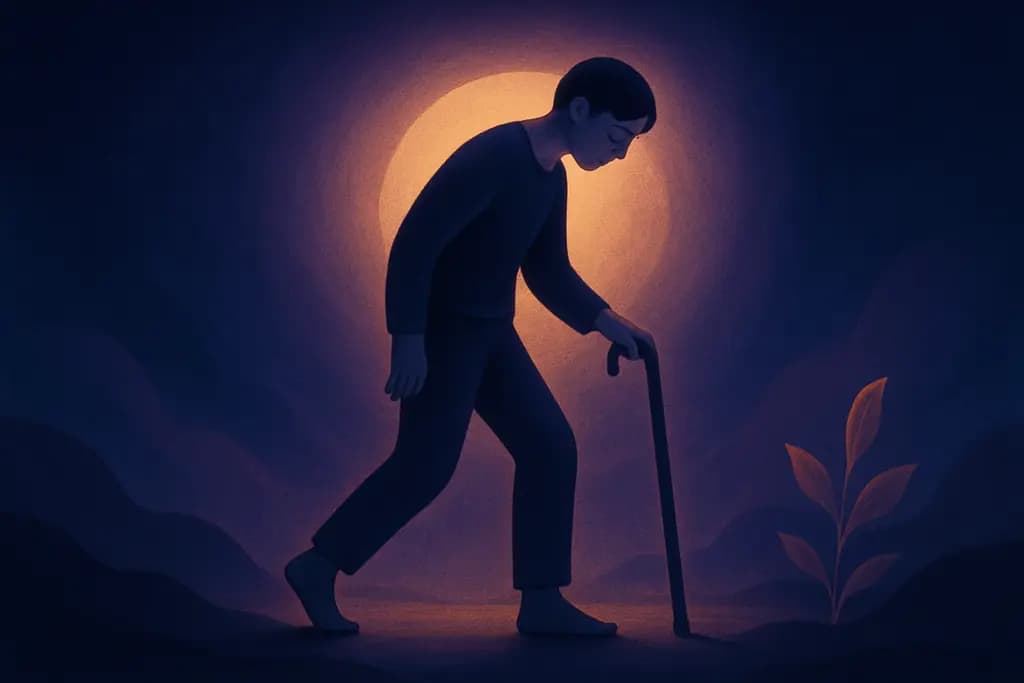
Dreaming that you are limping or losing mobility often reflects feelings of being slowed down, held back, or vulnerable in waking life. Such dreams highlight physical or psychological obstacles, but their exact meaning depends heavily on how you felt in the dream and the surrounding context. A limp experienced with calm acceptance can differ greatly from one that causes panic or shame.
General meaning of dreaming about Limping or loss of mobility
At its core, limping or a loss of mobility in a dream symbolizes impeded progress. The body in dreams often represents our ability to move through life, so difficulty walking or moving may point to hurdles, fatigue, or a need to adapt to new limitations. It can be literal—reflecting recent injury or illness—or symbolic, pointing to emotional burden, indecision, or external constraints.
Common interpretations center on the idea of slowed momentum, vulnerability, and attention to a part of life that needs care. How you respond in the dream — struggling, accepting, hiding the limp — shapes whether the image is urging change, healing, or self-compassion.
- Feeling physically or emotionally drained
- An obstacle or setback delaying goals
- A call to slow down, rest, or replan
- Vulnerability about a relationship, role, or identity
Spiritual meaning of Limping or loss of mobility in dreams
Spiritually, limping can signal an invitation to reassess your life path and inner balance. Many traditions view the body as a vehicle for the soul; when that vehicle falters, it may indicate a misalignment between actions and purpose or a need to realign priorities.
Across cultures, a limp can represent humility, a phase of purification, or a transitional period when higher guidance asks you to move more deliberately. In some practices, slowed movement is seen as a prompt to cultivate patience, surrender, and deeper listening to intuition.
Psychological interpretation
Fear, stress or anxiety
A limp may emerge from generalized anxiety or a specific fear that prevents you from moving forward. When stress depletes your energy, dreams can dramatize that depletion as weakened legs or frozen limbs. Panic while trying to move often points to urgent worry about failing or being left behind.
Relationships and emotional bonds
Loss of mobility can reflect dependency, imbalance, or strain within relationships. You might feel restricted by a partner, family role, or caregiving duty. Alternatively, a limp may reveal shame or embarrassment about asking for help or admitting vulnerability to someone close.
Control, power or vulnerability
Dreaming of being unable to move freely often ties to questions of control and power. Feeling immobilized can mirror situations where you perceive little agency—at work, home, or in decision-making. It can also spotlight a willingness to accept vulnerability as part of personal growth.
Positive meaning
- A prompt to slow down and reassess priorities, which can lead to better decisions
- An opportunity to practice self-compassion and accept help
- Signal of healing: acknowledging a limitation is the first step toward recovery or change
- Encouragement to simplify life and focus energy on what truly matters
- Catalyst for creative problem-solving when usual paths are blocked
Negative meaning and warnings
- May suggest avoidance of important choices that require active movement or commitment
- Can indicate persistent stress or burnout that is undermining progress
- Might point to feelings of helplessness, low self-confidence, or shame
- Can warn that ignoring emotional or practical obstacles could lead to longer delays
- May reflect relational dynamics where boundaries are being compromised
Common variations of dreams about Limping or loss of mobility
- Limping after an injury: Often reflects a recent setback or a specific wound—emotional or practical—that still affects your confidence and pace.
- Sudden paralysis or frozen legs: May indicate overwhelming anxiety or a moment when you feel totally stuck and unable to make a decision.
- Using crutches, a cane or support: Suggests readiness to accept help and adapt; it can be a hopeful sign of recovery or finding new strategies.
- Being pushed into a wheelchair: Can signal a perceived loss of independence or fear that an external event will force major lifestyle changes.
- Legs feeling heavy or like lead: Often connected to fatigue, prolonged responsibilities, or an emotional burden that saps motivation.
- Trying to run but moving slowly: Points to frustration at obstacles that block rapid progress despite effort.
- Stuck in mud or glue-like ground: Symbolizes situations or relationships that cling to you and are hard to escape.
- Falling or losing balance when trying to walk: May reflect insecurity about a new role or challenge where you doubt your footing.
What to do after such a dream
- Reflect on the emotions you experienced in the dream: fear, resignation, shame, relief—these clues guide interpretation.
- Journal details: where the limp was, what caused it, who was present, and how you reacted—patterns often appear over time.
- Review your current life situation: deadlines, relationships, or recent losses that could be slowing you down.
- Identify practical obstacles and break them into small, manageable steps to restore momentum.
- Talk with a trusted friend, mentor, or counselor about recurring themes to gain perspective.
- Use grounding practices—mindful breathing, short walks, or simple routines—to reconnect with a sense of agency and calm.
- Consider whether this dream calls for setting firmer boundaries, asking for help, or allowing yourself a period of rest and recalibration.