Dream About lighthouse whose light goes out attacking me – Meaning
Category: Nature & Elements
Quick interpretation
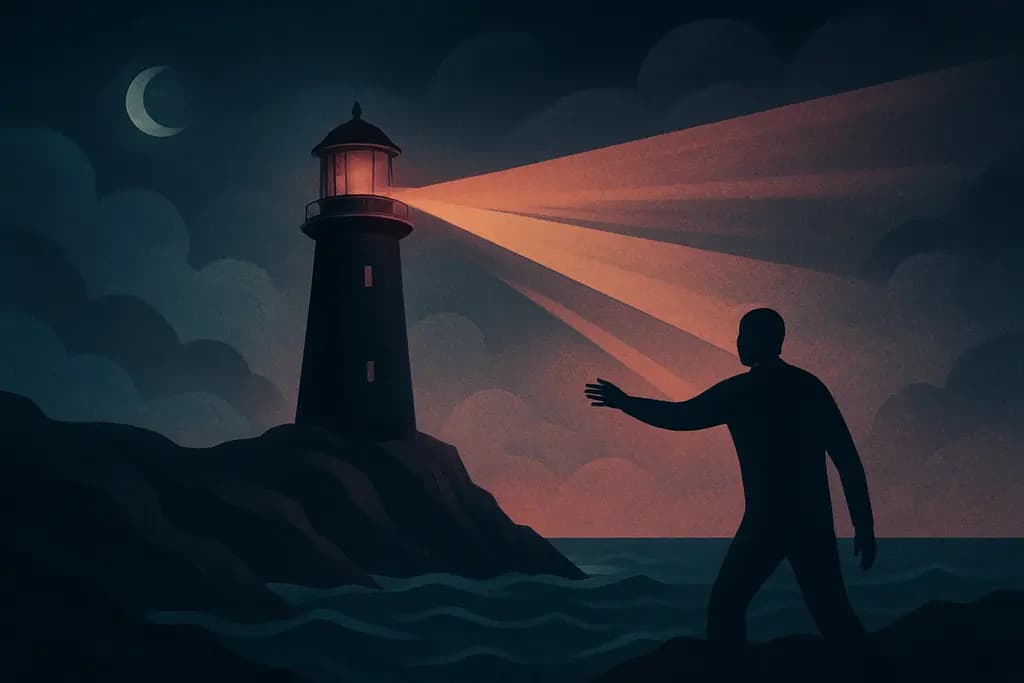
Quick interpretation: the image of a lighthouse whose light goes out and seems to attack is usually symbolic, not literal. It often reflects a relationship, institution, or inner voice you depended on losing authority and becoming harmful—an employer who blindsides you, a mentor who withdraws support, or self-guidance that becomes self-critical. The dream can reveal feelings of abandonment, sudden responsibility in a transition, or the shock of guidance that switches from comforting to punishing. It can feel both protective and betraying, emphasizing a need to re-evaluate who or what you trust.
What your mind may be processing
A modern psychological take sees this scene as your brain signaling a collapse in trusted guidance combined with heightened threat processing. In real life, this often ties to concrete events—a demotion, caregiving stress, or an abrupt breakup—that force you to act without the usual map. The outage represents confusion; the attacking motion highlights perceived hostility or panic. You may be rehearsing responses to loss of control or testing boundaries. The image is vivid because it packs abandonment, anger, and the scramble for direction into a single dramatic scene.
What this dream usually does not mean
This dream is rarely a literal prediction that a physical lighthouse will fail or that you will be physically attacked. It does not usually foretell specific external disasters. Instead, it points to symbolic loss of guidance or support. Think of it as an emotional alarm: frightening, urgent, and metaphorical rather than a direct forecast of events.
Key interpretations
- Failed external guidance — someone or something you trusted has become harmful. If you’re facing a workplace shakeup, mentor conflict, or a relationship where help has been withdrawn, the lighthouse turning off then lashing out can represent that shift. The beam’s failure mirrors lost clarity; the ‘attack’ shows how abandonment feels hostile. Practical steps: catalog who you relied on, note recent changes, and limit contact until you gather facts and set boundaries.
- Inner guidance gone punitive — self-criticism or moral pressure turning aggressive. The dream can come from an internal moral compass or critic that used to guide you but now berates or sabotages your choices. Perfectionism, remorse, or guilt can flip an inner ‘light’ into a weapon. Work with journaling, compassionate reframing, and small decisions that restore a reliable inner voice rather than trying to silence every fear instantly.
Concrete details that tend to stand out
People report vivid details: fog horns blaring, salt spray soaking wet shoes, a crowd frozen on the rocks, a red coat fluttering, broken glass in the lantern room, thunder and engine noise. Physical reactions—numb fingers, a racing heart, and a metallic taste—often make the scene feel urgent and concrete.
When this dream deserves attention
Take this dream seriously if it recurs, leaves you shaken into the day, or coincides with a major transition (job change, breakup, relocation) or unresolved fear. It becomes important when the distress affects sleep, decision-making, or relationships. Practical next steps: note triggers, journal the dream and waking parallels, set clear boundaries with people who feel unreliable, and seek support if the anxiety persists or impairs daily life. The dream signals a repair task—either of external supports or your inner guidance.
How different traditions interpret it
Meanings vary widely across cultures: coastal and seafaring communities may see a lighthouse as literal protector, while religious traditions often frame light as divine guidance. In some folk stories a fallen light warns of lost wayfinding; in contemplative traditions it might symbolize a trial of faith. Interpretations differ by heritage, personal belief, and community narratives—there is no single cultural answer—so weigh local symbolism alongside your own experience.
FAQ
Is this dream a warning?
Is this dream a warning? It can function as an emotional warning—alerting you to unreliable guidance or growing self-criticism—but it is not usually a literal prediction of danger.
What should I do after this dream?
What should I do after this dream? Write down the scene and any waking parallels, identify sources of lost guidance, set practical boundaries, and take one small step to regain clarity (call someone, make a plan, or rest).
Why do I feel fear in this dream?
Why do I feel fear in this dream? Fear arises because the symbol of safety (the lighthouse) fails and becomes threatening; that mismatch triggers loss, betrayal, and a fight-or-flight response.
Is it related to stress?
Is it related to stress? Yes. This dream commonly appears during high stress, transitions, or when responsibilities increase and familiar supports falter—stress amplifies the image and the sense of attack.
Related dreams to explore
People who dream about lighthouse whose light goes out attacking me often end up exploring lighthouse whose light goes out chasing me, red lighthouse light goes out in dream, and white lighthouse whose light goes out dream meaning next, because the same pressure can show up through different symbols. Comparing them usually makes the emotional pattern clearer. You may also want to compare it with black lighthouse whose light goes out if the same mood or conflict keeps showing up.