Dream About Laneways – Meaning
Category: Places
What this dream usually means
Direct answer: this dream most commonly signals a choice point or transition in your life rather than a literal location. It commonly represents smaller, tighter decisions—side projects, short-term moves, or a change in daily routine—rather than huge, life‑altering shifts. If the lane felt inviting you may be leaning toward an unexplored option; if it felt claustrophobic you may be wrestling with constraint or second thoughts. In many cases, the atmosphere and what you do at the lane clarify whether it’s an opportunity, a detour, or a warning to slow down.
What it can reflect emotionally
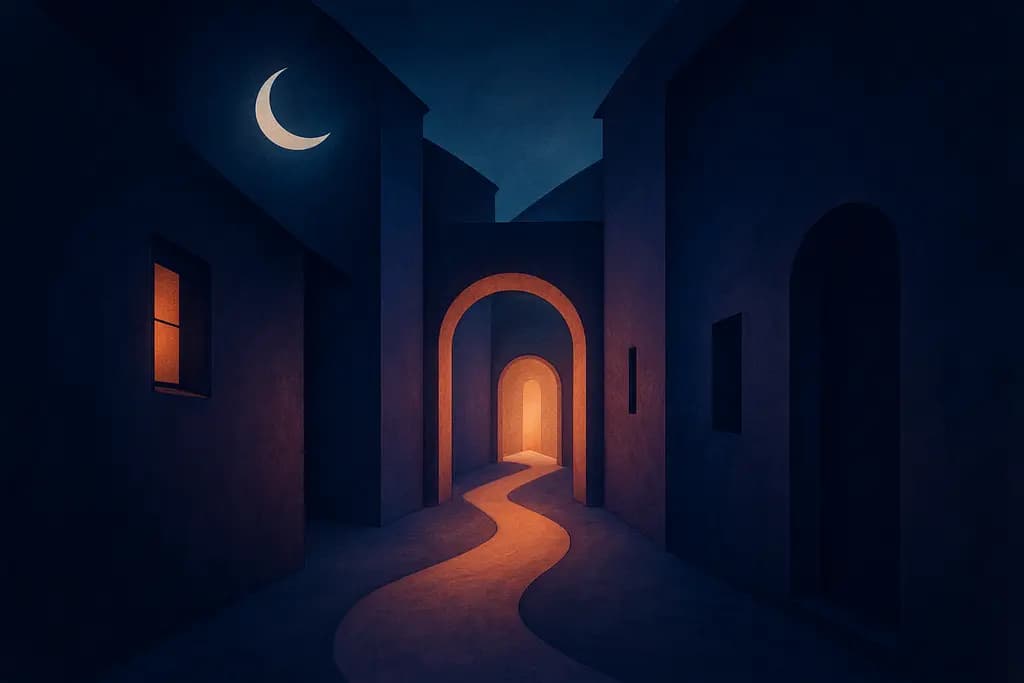
From a neutral psychological angle, laneways can reflect how you perceive options and constraints in everyday life—work choices, relationship boundaries, or small habits. In many cases, the lane’s width, lighting, and whether you can see the end mirror your perceived options and emotional bandwidth: bright, visible exits suggest readiness; gloom and dead ends suggest anxiety, overwhelm, or regret. This framing treats the lane as a picture of decision-making processes and emotional responses, not a diagnostic label.
What this dream usually does not mean
This dream is rarely a literal prediction about a physical place or an exact future event. It does not usually foretell a specific danger or a precise outcome. Instead, it functions as a symbolic snapshot—a concentrated image about choice, direction, or constraint—so avoid reading the lane as a literal map to tomorrow.
Key interpretations
Crossroads and small but consequential choices. A narrow lane that branches or ends often stands for decisions that feel limited but consequential: accepting a short-term contract, saying yes to a project, or committing to a move across town. The dream highlights the moment of choosing—which direction you take, whether you turn left toward light or right into shadow, represents what you’re weighing in waking life.
Hidden opportunity or overlooked route. If the laneway opens into a bright square or a hidden garden, it can mean an overlooked opportunity: a side skill, a relationship developing off the main path, or a hobby that could become meaningful. The dream urges you to notice small doors and quiet options others pass by, suggesting reward in exploring less obvious routes.
Feeling stuck, confined, or needing to backtrack. A lane that feels cramped, ends abruptly, or forces you to double back often mirrors feelings of entrapment—routine that no longer fits, a stalled project, or obligation that limits choice. The dream may show the need to change course outwardly or mentally: letting go of an old role, asking for help, or opening up an exit strategy.
Specific details people often mention
People often remember tiny, vivid things: laundry lines strung across the lane, a stray cat slipping into a doorway, the rattle of a distant bicycle, puddles reflecting neon, a locked door with a rusted key in your pocket, or the sound of footsteps growing louder behind you.
When this dream deserves attention
Pay attention when the laneway dream repeats, occurs during a life transition, or follows heightened stress. Recurring lanes during a job change, breakup, or before a big move suggest unresolved choices. If you wake with a physical reaction—racing heart, nausea, or relief—note that the dream is highlighting emotional urgency. It deserves attention when it pushes you to choose, signals persistent uncertainty, or keeps returning until you change a waking situation.
How different traditions interpret it
Meanings vary across traditions. In European folklore narrow alleys were sometimes liminal spaces associated with chance encounters or trickster figures; in Asian cities, hutongs and laneways can symbolize community ties or family histories; in other cultures they may be thresholds between public life and private life. Different groups emphasize either opportunity, risk, or ancestry in these images, so cultural background shapes whether the lane feels ominous, inviting, or familiar—avoid treating any single cultural meaning as definitive.
Common questions
Is this dream a warning?
Is this dream a warning? Not usually a literal warning. It can be an emotional alert—signaling constraint, a missed exit, or a choice you’ve postponed—so treat it as a prompt to examine decisions, not a direct prophecy.
What should I do after this dream?
What should I do after this dream? Note the lane’s mood and destination, jot down what felt urgent, and consider one small action—ask a question, research an option, or set a deadline—to test the direction the dream suggests.
Is it related to stress?
Is it related to stress? Often, yes. Narrow, dark, or repeating laneways commonly surface during stress, fatigue, or decision overload; they tend to shrink perceived options and amplify anxiety.
Is this about money?
Is this about money? Sometimes, but not always. If the dream focused on work, a closed shop, or carrying a wallet, finances may be involved; otherwise it more often points to choices, time, and personal limits.
Related dream meanings
If this dream keeps returning, pages about Bad Weather, Ballrooms, and black waterfalls can reveal the related patterns underneath it. They often overlap around insecurity, transition, or stress in everyday life. You may also want to compare it with Cave if the same mood or conflict keeps showing up.