Dream About Invisible illness symptoms – Meaning
Category: Body & Health
What this dream often looks like
You’re sitting in a fluorescent clinic waiting room, clutching a paper cup while your name isn’t called. You feel a heavy ache behind the ribs that no one else notices; a nurse flips through a chart and looks away. In the dream you try to show a rash that blurs into skin, or you wake with the sudden impression of a band of pressure around your chest. The setting is ordinary — work emails, a partner at the doorway — but the body sensation is vivid and isolating.
Main interpretation
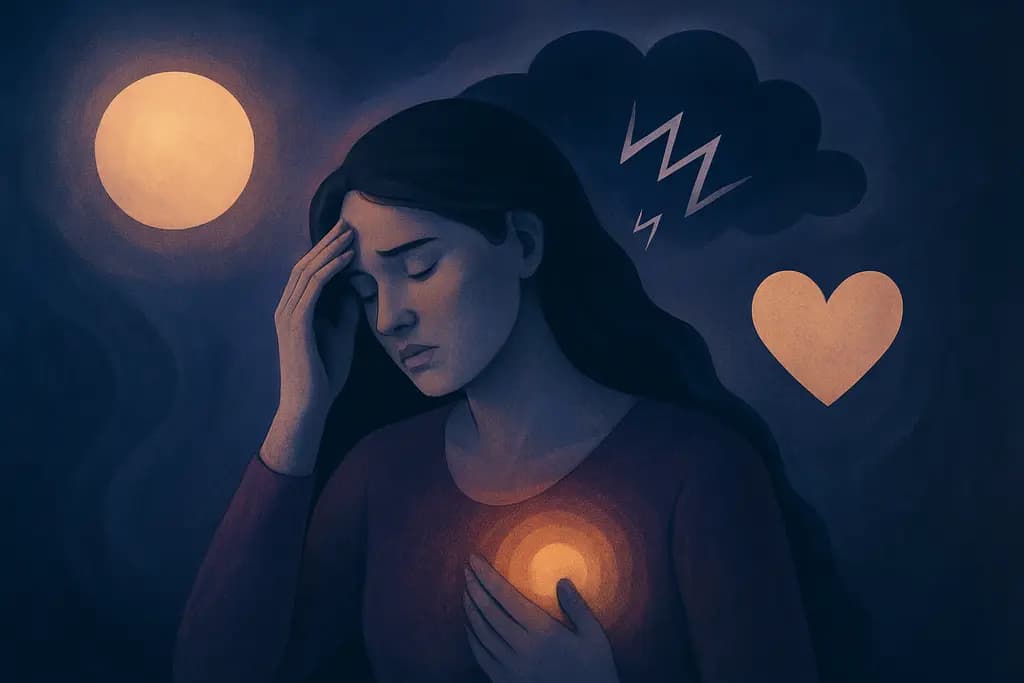
This dream commonly signals that something important about your health, energy, or emotional limits is being overlooked in waking life. It often points to exhaustion, prolonged stress, or a pattern where your needs are minimized by others at work or home. The imagery serves as a metaphor: invisible symptoms in the dream map to unseen burdens in life. There can be anger under the quiet, and relief when someone finally listens — the dream may be nudging you to acknowledge and protect your capacity.
Key interpretations
Unacknowledged stress and energy depletion. When invisible symptoms appear in a dream, they often mirror chronic tiredness or burnout you haven’t admitted to yourself. Visuals like fading skin, slow walking, or failing batteries point to depleted reserves from long work hours, caregiving, or suppressed grief. The dream can be a permission slip to rest — to cancel a meeting, say no, or cut back hours before exhaustion forces the choice for you.
Feeling unseen or invalidated by others. These dreams may highlight relational dynamics where your concerns are minimized: a partner who shrugs off complaints, a manager who skips your updates, or friends who compare your pain away. The invisible symptom becomes a test of visibility — whether you can make your experience count. Practically, the dream asks who will actually listen and what small action would make you feel validated now.
What this dream is rarely about
This dream is rarely a literal prediction of a new medical diagnosis and should not be read as a clinical forecast. It does not usually mean you will discover a disease tomorrow; instead it uses bodily images as symbols for stress, neglect, or identity strain. If waking symptoms bother you, follow up with appropriate health or emotional support rather than treating the dream as a diagnosis.
Unusual details people report
Interestingly, people report very specific images: a locked clinic door, stale magazines on a waiting-room table, a rain-soaked coat that never dries, the hum of a distant vehicle, or the muffled sound of their own heartbeat under their pillow. Some feel clothing tighten like armor, or see a white coat with empty pockets.
What your mind may be processing
From a modern, non-medical view, the mind often converts emotional burdens into somatic metaphors: the body in a dream stands in for boundaries, trust, and fatigue. Dreams about unseen symptoms can reflect internal monitoring systems — hypervigilance about health, chronic worry, or cognitive load — that manifest as tactile, bodily scenes. Therapies that track sensations, narrative work, or brief behavioral changes (sleep, pacing activity) help translate the dream’s message into manageable steps.
Why recurring versions matter
When this dream repeats, intensifies, or wakes you with the same body sensation, it often marks unresolved fear or sustained stress that your waking routines haven’t addressed. Recurring versions commonly show up during life transitions — a new caregiving role, job change, or after an anonymous medical scare. Pay attention to frequency, emotional tone, and whether the dream pushes you toward practical changes like adjusting workload, asking for help, or tracking physical symptoms in waking life.
Frequently asked questions
Is this about relationships?
Often yes: these dreams frequently reflect relationship dynamics where your needs are minimized or unseen. They can point to partners, family, or colleagues who don’t validate your experience, though sometimes they also reference work or social roles.
What should I do after this dream?
Write the dream down, note the strongest bodily sensation, and take one concrete step: rest, set a boundary, or mention the dream to someone supportive. If you have persistent physical symptoms, consult a healthcare professional to rule out medical causes.
Is it related to stress?
Yes — this theme is commonly tied to stress. Chronic worry, caregiving strain, or unresolved anxiety often surface as invisible symptoms in dreams because stress translates into bodily metaphors.
Related dream meanings
People who dream about invisible illness symptoms often end up exploring Seeing signs of illness on your reflection, Sudden fever or illness, and Sudden Illness or Fever next, because the same pressure can show up through different symbols. Comparing them usually makes the emotional pattern clearer. You may also want to compare it with Unexpected serious illness if the same mood or conflict keeps showing up.