Dream About Idol speaks in riddles – Meaning
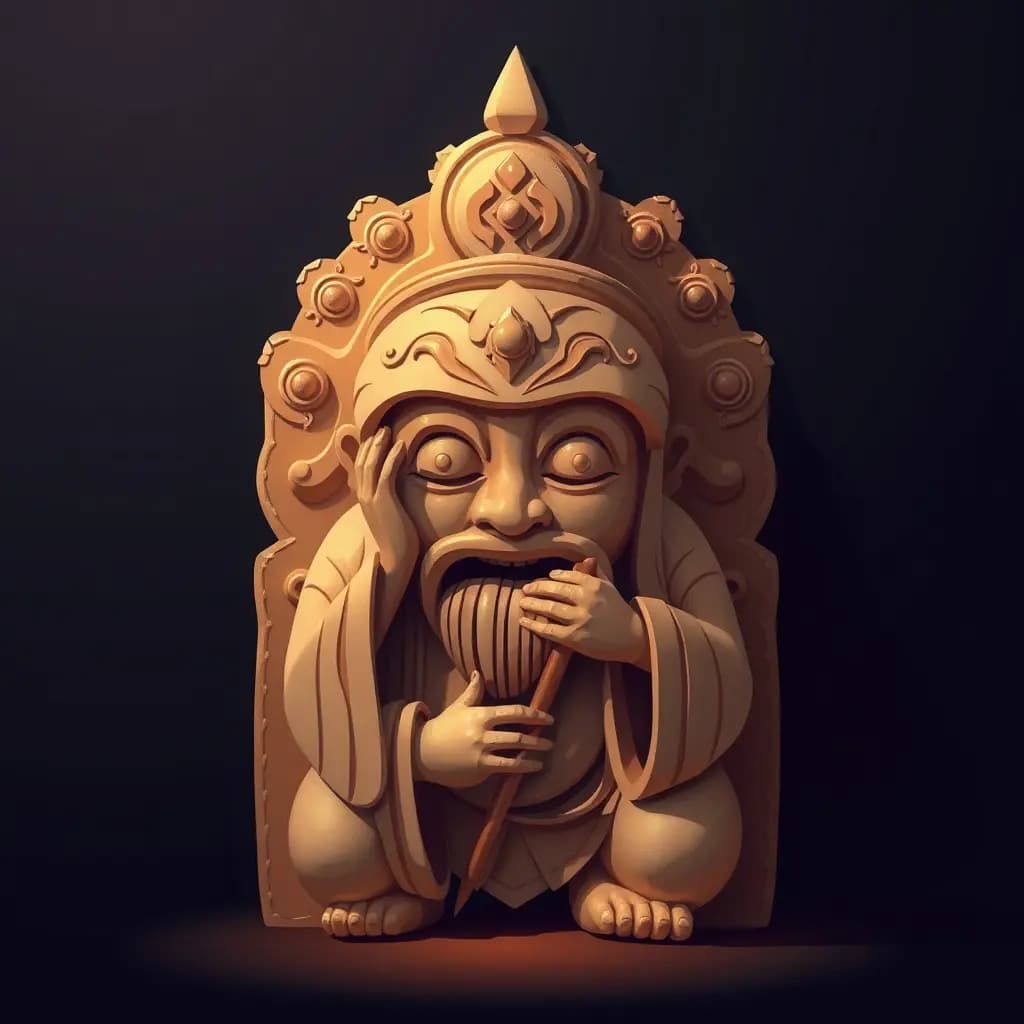
Category: Religion & Sacred Symbols
Main interpretation
This dream commonly points to an inner voice presenting guidance in obscure form: the idol’s riddles often represent conflicted values, unclear priorities, or a problem where the right answer is wrapped in paradox. If you’re facing a career crossroads, moral compromise, or a relationship choice, the idol’s cryptic statements may be a dreamway of forcing you to translate symbolic clues into concrete steps—identify the stakes, test assumptions, and translate imagery into the practical decision at hand.
Psychological perspective
Viewed psychologically, the speaking idol is a device the mind uses to dramatize inner conflict—values, unmet needs, or ambiguous feedback become a riddle because the answer isn’t obvious. In many cases, the dream reflects cognitive dissonance: you hold incompatible desires (security vs. integrity, loyalty vs. truth) and the unconscious offers a puzzle to force clearer assessment. The emotion you feel in the dream—frustration, awe, relief—matches how urgent the decision feels in waking life and can help prioritize which practical step to take first.
What this dream is not literally saying
This dream is rarely a literal prophecy about future events and does not usually work as a direct prediction of external outcomes. Instead, it typically mirrors personal confusion or moral tension; emotionally, it can feel prophetic and ominous, but that sense is more about your reaction than a supernatural forecast.
Three common meanings
- Hidden guidance about a decision. The idol’s riddle may encode a practical hint: a detail—an object, number, or verb—points to a real-life choice you’ve postponed. If you’re weighing a job offer, a move, or whether to speak up, the dream frames the issue as a puzzle to solve rather than a blunt instruction.
- Moral or spiritual conflict. When the riddle revolves around words like ‘promise’, ‘truth’, or ‘sacrifice’, the dream often reflects ethical unease—guilt about a compromise or anxiety over whether your actions match your values. The idol speaks in riddles because the cost and reward aren’t straightforward.
- Authority and external pressure. An idol that issues cryptic demands can symbolize a boss, parent, tradition, or institution that exerts control but communicates unclearly. The riddle form suggests you’re trying to decode what others expect of you while wanting to retain autonomy.
- Identity puzzle and hidden parts. If the idol alternates voices or shifts costumes, the dream points to fragmented self-views—roles you play, secrets you keep, or aspects of identity you haven’t integrated. Solving the riddle often means naming those parts and deciding which guide your choices.
Specific details people often mention
People often report small details: a locked wooden door behind the idol, a sudden rainstorm against stained-glass windows, the idol wearing a soldier’s helmet or a child’s dress, and a metallic taste in the mouth. Some feel their throat tighten when the answer is near or hear distant chanting that fades as they wake.
When to take this dream seriously
Take this dream seriously when it recurs, arrives during a major life transition (job change, move, divorce), or coincides with persistent stress or unresolved fear about a decision. If the riddles return and your waking discomfort grows—sleeplessness, indecision, strained relationships—that pattern suggests the dream is flagging a real, addressable issue rather than passing nocturnal imagery. Consider journaling the riddle details and mapping them to specific decisions or obligations.
Symbolic meaning across traditions
Meanings vary widely across traditions and should not be presented as uniform. In some Hindu or Buddhist contexts, riddling gods may symbolize lessons about attachment and right action; in Christian frameworks an idol might warn against false authorities or idolatry; in indigenous stories the voice could be an ancestor testing honesty. Different communities emphasize either moral testing, guidance, or social order—so consider your own cultural background when weighing which angle resonates.
FAQ
Can this dream be positive?
Yes. The dream can be positive when it reveals insight, clarifies priorities, or motivates constructive action—interpret the riddle to find a practical next step rather than expecting miraculous guidance.
Is it related to stress?
Often. Dreams of cryptic idols commonly surface during stress because the mind dramatizes uncertainty. Elevated pressure makes internal conflicts feel louder and more symbolic.
Why does this dream repeat?
It repeats when the underlying issue—an unresolved choice, guilt, or contradictory expectations—hasn’t been addressed. Recurrence nudges you to translate symbolic clues into concrete decisions.
Is this dream a warning?
It can feel like a warning, but it is rarely a literal external warning. More often it signals internal caution: reconsider a path, test assumptions, or attend to values you’ve sidelined.
Dream meanings connected to this one
People who dream about idol speaks in riddles often end up exploring Scripture pages all blank, Priest cannot be found, and Shrine sealed shut next, because the same pressure can show up through different symbols. Comparing them usually makes the emotional pattern clearer. You may also want to compare it with Hidden shrine discovery if the same mood or conflict keeps showing up.