Dream About Hypnagogic Hallucination – Meaning
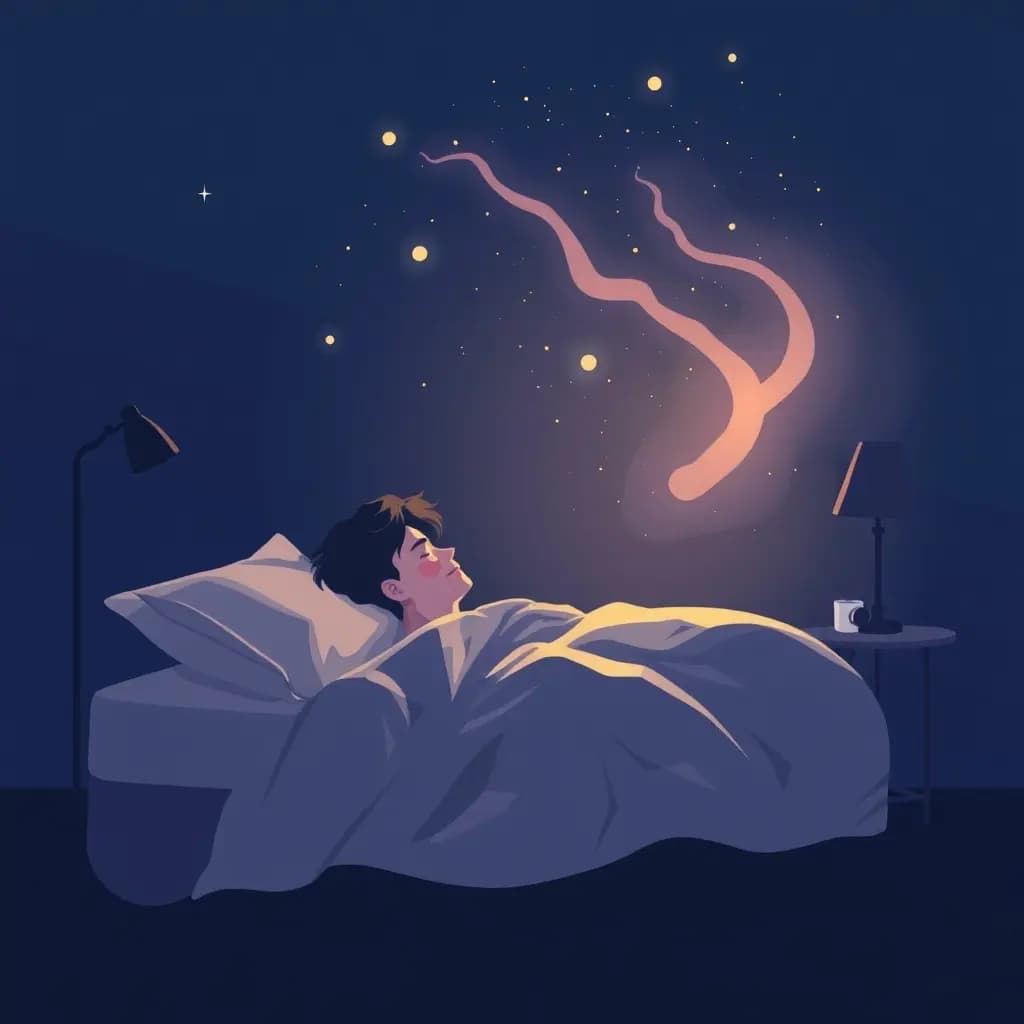
Category: Sleep & Dream States
What this dream often looks like
You’re lying on your back after a long day—maybe after a late study session or a first night in a new apartment. The room is dim, the streetlight bleeds through the curtain, and as your eyes close a narrow fluorescent hallway unfurls in your mind. You hear a soft knocking, feel your heart skip, and your limbs won’t move for a second. The sensation is immediate: between awake and asleep, a doorway that both invites and threatens. You wake with a flush of alarm and the echo of the sound still in your ears.
Quick interpretation
Quickly: hypnagogic hallucinations are sensory experiences at sleep onset that often reflect tiredness, sensory misfiring, or emotional processing rather than mystical events. If you’re starting a job, grieving, or pulling nights to meet a deadline, these images and sounds can be your brain weighing options, rehearsing fears, or releasing tension. Interestingly, they also appear when your nervous system is overstimulated—caffeine, bright screens, or irregular sleep—so simple changes to bedtime routine often reduce their intensity.
Key interpretations
- Transition anxiety. Seeing doors, hallways, or knocking at sleep onset commonly links to life changes—moving, beginning a relationship, or starting a new role. The doorway image often symbolizes a choice or an unknown future. Feeling paralyzed or blocked in the dream can mirror waking hesitation or fear about taking the next step.
- Creative incubation and memory sorting. Vivid fragments—snatches of conversation, half-formed rooms, or surreal objects—can signal creative problem-solving. Your brain is replaying, recombining, and consolidating recent experiences. If you’re rehearsing a talk or wrestling with a project, these hallucinations may reflect active, subconscious work rather than alarm.
- Sensory overload and sleep debt. Sharp sounds, bright flashes, or the sensation of falling often point to exhausted neural networks and disrupted sleep architecture. Late caffeine, inconsistent sleep times, or overnight screen use makes sensory inputs leak into the hypnagogic state. Addressing sleep hygiene typically reduces both frequency and intensity.
What this dream usually does not mean
This experience is rarely or does not usually work as a literal prediction. Although it can feel prophetic or ominous, hypnagogic hallucinations are physiological and emotional boundary phenomena, not reliable forecasts. Treat them as signals of fatigue, anxiety, or sensory overload rather than as direct warnings about future events.
Concrete details that tend to stand out
People commonly report specific, repeatable imagery: a flickering hallway light, the scraping of a suitcase on tile, a crowded platform where nobody wears coats, the smell of rain through an open window, or the sudden jolt of a falling feeling and a brief inability to speak or move.
What it can reflect emotionally
From a modern psychological angle, hypnagogic hallucinations can reflect the brain’s downshifting from wakeful vigilance to sleep’s more fragmented processing. They often occur when emotional arousal—worry, excitement, anticipatory fear—is present alongside physiological fatigue. This is not a diagnosis; rather, the experience can indicate active emotional sorting, rehearsal of feared scenarios, or creative problem-solving. If the images carry a persistent emotional charge, tracking triggers and discussing them with a therapist can help separate symbolic content from ongoing anxiety.
When to take this dream seriously
Take these experiences seriously when they recur, cause daytime anxiety or sleep disruption, or appear alongside intense stressors like grief, a breakup, or a major job change. Recurrence after several nights, increasing vividness, or added daytime impairment suggests it’s time to act: keep a brief sleep-and-dream log, tighten your sleep routine, reduce evening stimulants, and seek professional advice if distress persists. An emotional nuance: the content can be frightening yet also point toward a change you need to address.
Frequently asked questions
Is this about relationships?
Is this about relationships? Not usually directly. Hypnagogic images can reflect relational stress—fear of loss, commitment anxiety, or unresolved conflict—but they more often signal general transition anxiety or emotional arousal rather than specific relationship prophecy.
Why does this dream repeat?
Why does this dream repeat? Repetition often stems from unresolved emotional themes, ongoing stress, or persistent sleep disruption. The brain keeps rehearsing the same pattern until the underlying tension, routine, or thought pattern changes.
Is this dream a warning?
Is this dream a warning? No. It may highlight anxiety, risk perception, or something you should pay attention to, but it is not a dependable warning about future events; treat it as an internal signal rather than a literal forecast.
Dream meanings connected to this one
People who dream about hypnagogic hallucination often end up exploring Night Terror, Sleepwalking, and Hearing a Voice While Falling Asleep next, because the same pressure can show up through different symbols. Comparing them usually makes the emotional pattern clearer. You may also want to compare it with Dreaming in a Loop if the same mood or conflict keeps showing up.