Dream About Hospital hallway – Meaning
Category: Body & Health
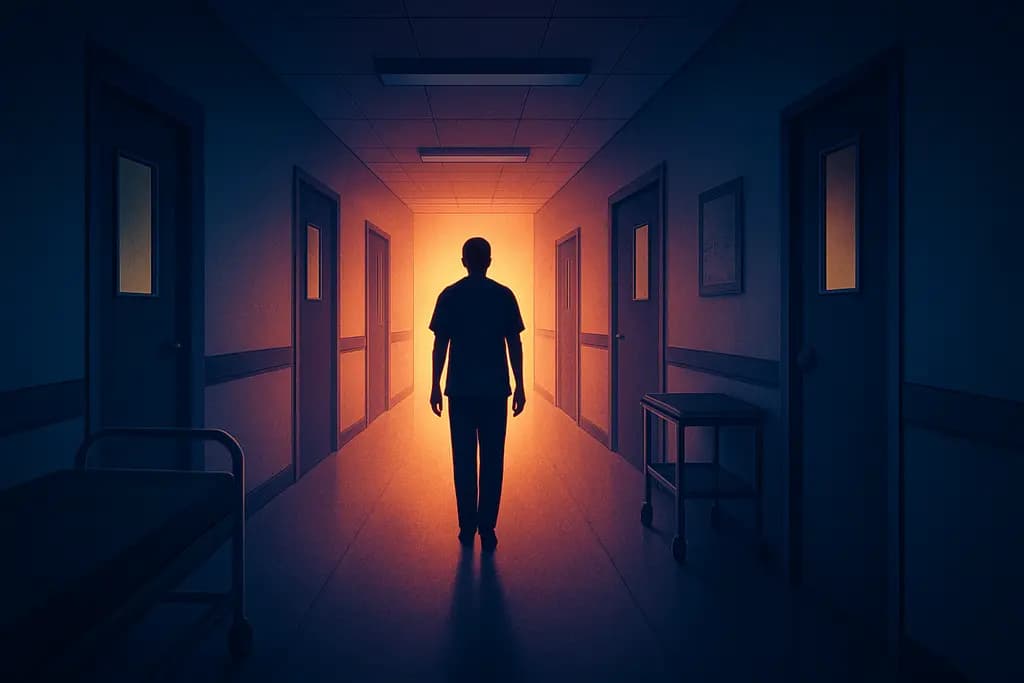
Dreaming about a hospital hallway often points to transitional zones in your life related to health, care, or recovery. Such dreams commonly appear when you are processing worry about physical wellbeing, emotional caretaking, or a period of uncertainty. The exact meaning depends heavily on how you felt in the dream and the context — an empty corridor feels different from a crowded one.
General meaning of dreaming about Hospital hallway
A hospital hallway in a dream usually symbolizes a passage between states: illness and recovery, crisis and care, dependence and autonomy. Hallways are connective spaces, so the dream often highlights movement, waiting, or uncertainty about what lies ahead in matters of body and health.
Common, core interpretations include:
- Transition and recovery: moving through a space that leads toward treatment or a room implies progress or preparation for healing.
- Uncertainty and waiting: hallways suggest liminal time — waiting for news, decisions, or outcomes about health or support.
- Access and barriers: locked doors or closed rooms along the corridor may point to blocked options or limited access to help.
These themes shift according to sensory details, whether the hallway felt long, bright, clinical, or chaotic, and who you encountered there.
Spiritual meaning of Hospital hallway in dreams
Spiritually, a hospital hallway can represent a path of purification or a guided transition in one’s energetic or soul work. Many traditions view hospitals as places of care and renewal, so the corridor may symbolize movement from a period of suffering into a phase of learning or spiritual healing.
In universal terms, the hallway can be seen as a threshold: a place where you are supported by unseen helpers (healers, guides, inner resilience) as you move toward integration. Some may read it as an invitation to slow down and accept help; others see it as a sign to prepare for inner transformation.
Psychological interpretation
Fear, stress or anxiety
If the hospital hallway dream is charged with fear or panic, it can mirror anxiety about health, aging, or vulnerability. The corridor magnifies anticipatory stress — waiting for a diagnosis, an outcome, or a difficult conversation. Your brain uses the clinical setting to externalize internal worry.
Relationships and emotional bonds
Hallways connect rooms the way relationships connect people. Dreaming of walking a hospital corridor with family or a partner may reflect caregiving roles, concerns about a loved one’s wellbeing, or the need to negotiate emotional support. Encounters in the corridor can show who you rely on or who feels distant in times of need.
Control, power or vulnerability
Being stuck, lost, or blocked in a hospital hallway often points to feelings of powerlessness around health decisions or personal agency. Conversely, confidently moving down the corridor can suggest reclaiming control, making choices about treatment, or asserting boundaries around care.
Positive meaning
- Progress toward healing: the hallway can mark forward movement from illness toward recovery.
- Preparation and readiness: walking with purpose may suggest you are mentally preparing for necessary changes.
- Support and care: seeing helpful staff or companions can indicate available resources and emotional support.
- Clarity and decision-making: reaching the end of the corridor or finding a door may represent resolving uncertainty.
- Inner resilience: navigating a long corridor can be a metaphor for endurance and personal growth.
Negative meaning and warnings
- May suggest avoidance: repeatedly walking corridors without entering rooms can indicate procrastination about medical checks or emotional work.
- Can indicate unresolved anxiety: a tense hallway dream may reflect unprocessed fear about health or caregiving responsibilities.
- Might point to blocked options: locked doors or dead ends can indicate perceived lack of access to care or support.
- May warn of overwhelm: crowded or chaotic corridors can suggest burnout from caregiving or ongoing stress that needs attention.
Common variations of dreams about Hospital hallway
- Walking down a long hospital hallway: Often highlights a drawn-out recovery or a sense that healing will take time; may signal patience is required.
- Empty hospital corridor: Can reflect isolation, feeling alone in a health struggle, or a need to seek connection and support.
- Crowded hospital hallway: May indicate overwhelm, busy caregiving responsibilities, or anxiety about competing needs and limited resources.
- Hallway with many doors: Suggests multiple treatment options or decisions to make; each door may represent a different path or outcome.
- Locked or blocked hallway: Points to obstacles in accessing care, emotional barriers, or feeling stuck in a health-related situation.
- Dimly lit or unclear corridor: Reflects uncertainty, lack of information, or fear about what the future holds regarding wellbeing.
- Finding a room at the end of the hallway: Often positive — signifies reaching a solution, diagnosis, or the start of focused healing.
- Being guided through the hallway by someone: Suggests support from professionals, friends, or inner guidance during a vulnerable time.
What to do after such a dream
- Reflect on emotions: note how you felt in the dream and upon waking — fear, relief, confusion — and journal those details.
- Review current health and care situations: consider appointments, tests, or conversations you may be postponing and whether action is needed.
- Check relationships and support: ask who around you is offering help and whether you need to ask for more concrete support.
- Make small practical steps: schedule a checkup, set up a support call, or organize information so decisions feel less overwhelming.
- Use the dream as a conversation starter: if caring for someone else, use the imagery to express your concerns or needs compassionately.
These steps are about emotional processing and practical organization rather than medical advice. Use the dream as a prompt to attend to both feelings and real-world needs.