Dream About Hospital corridors – Meaning
Category: Body & Health
Main interpretation
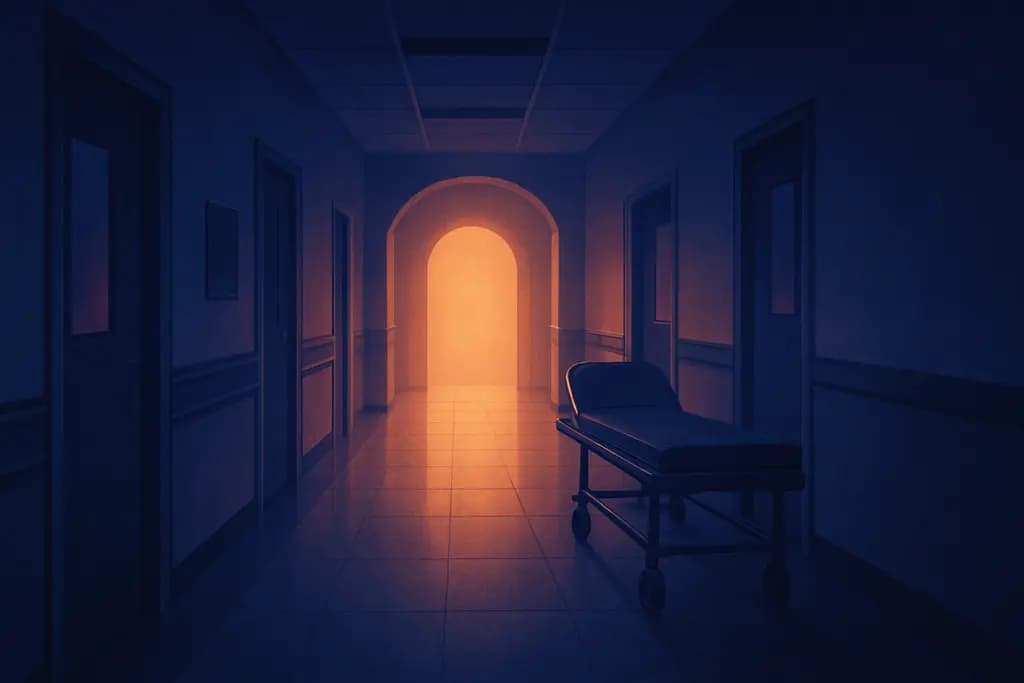
A corridor in a hospital dream commonly represents being in-between—waiting for news, moving from uncertainty toward a decision, or occupying a caretaker role. In many cases, the corridor is less about immediate physical illness and more about a period of assessment or transition: you may be processing a medical appointment, considering treatment choices, or navigating a stressful caregiving situation. The mood—bright and orderly versus dim and endless—shifts whether the dream points toward progress, limbo, or unresolved worry.
What it can reflect emotionally
From a modern, neutral viewpoint, hospital corridors register cognitive and emotional processing: your mind organizes uncertainty into spatial metaphors—hallways for waiting, doors for decisions. The clinical setting triggers feelings of vulnerability and loss of control; the body’s reactions in the dream (racing heart, shallow breath) mirror real-life anticipatory anxiety. This framing sees the dream as your brain rehearsing outcomes, weighing risks, and sorting social roles like patient, partner, or caregiver rather than diagnosing a condition.
What this dream is not literally saying
This dream is rarely a literal prediction that you or someone close to you will be hospitalized. It does not usually serve as a direct medical warning. Instead, it typically reflects anticipatory anxiety, administrative waiting, or emotional caretaking. It often speaks to worry and uncertainty rather than immediate physical decline.
Key interpretations
- Transition and decision. The corridor as threshold: the dream points to a choice or phase where you’re moving from one status to another. A door at the end suggests a decision you’re approaching—tests, treatment options, or a relationship crossroads tied to health or responsibility. Feeling hurried or blocked indicates pressure to decide; steady walking implies gradual acceptance.
- Caretaking and role strain. When the scene centers on nurses, stretchers, or guiding someone else, the dream can reflect the emotional load of caring for another person. It may highlight exhaustion, logistical stress, or the sense of being responsible for someone’s wellbeing. Anxiety here often links to practical duties—appointments, phone calls, and coordination—rather than symbolic fear alone.
Specific details people often mention
Dreamers often report flickering fluorescent lights, a PA system making muffled announcements, nurses in scrubs pushing an empty gurney, a clock whose hands jump, the metallic scent of disinfectant, or the echo of footsteps that make the hallway feel both crowded and isolating.
When to take this dream seriously
Take this dream seriously when it repeats, follows a recent medical event, or arrives during a life transition such as caregiving, a major diagnosis, or a job change that affects your health coverage or routines. Recurring corridor dreams often signal unresolved fear or ongoing stress that your waking coping strategies aren’t addressing. Useful next steps include tracking triggers, noting what you’re avoiding, and discussing concerns with a trusted friend or counselor; consult a medical professional only if concrete symptoms or appointments warrant it.
Cultural and symbolic views
Meanings vary across cultures. In many Western contexts, hospitals are linked to professional medicine and factual concern about health; in some spiritual or religious traditions, a corridor might symbolize a liminal test or a passage between states of being. Folk interpretations may read the hallway as a sign of communal obligation or karmic trial. Because traditions prioritize different symbols, this image can mean practical concern in one culture and a rite of passage in another—there is no single universal reading.
Common questions
Why do I feel fear in this dream?
Fear in this dream usually comes from anticipatory anxiety and a feeling of losing control—clinical details like antiseptic smells, beeping monitors, or endless hallways trigger bodily memories tied to vulnerability.
Can this dream be positive?
Yes. The corridor can be positive: a short, well-lit hall or an open door often signals progress, clarity after tests, or emotional readiness to accept care and move toward recovery.
Why does this dream repeat?
Repetition often means an unresolved issue—ongoing stress, an unmade decision, or repeated reminders in waking life (appointments, caregiving tasks) that your mind hasn’t processed.
What should I do after this dream?
After the dream, note specifics (door at the end, who you were with), check practical appointments or responsibilities, journal or talk through anxieties, and seek support if stress persists; don’t assume it’s a literal health forecast.
Related dream meanings
If this dream keeps returning, pages about Aging or Seeing Yourself Old, Amputated Limb, and Blindfolded and unable to see can reveal the related patterns underneath it. They often overlap around insecurity, transition, or stress in everyday life. You may also want to compare it with Blindfolded vision if the same mood or conflict keeps showing up.