Dream About Hopelessness – Meaning
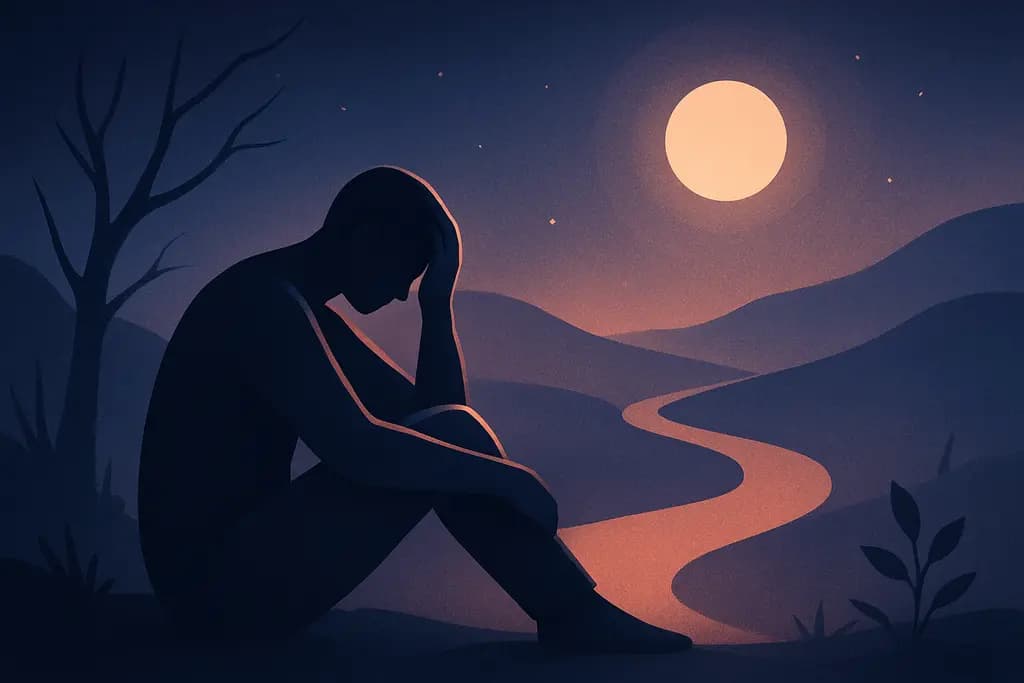
Category: Feelings
Dreaming about hopelessness often reflects a period when you feel stuck, overwhelmed, or unsure how to move forward. Such dreams tap into deep emotional states — their meaning shifts based on the dreamer's feelings and the situation surrounding the dream.
General meaning of dreaming about Hopelessness
Hopelessness in dreams usually symbolizes a sense of stalled energy, loss of direction, or an emotional low point. It can arise after a major disappointment, during chronic stress, or when inner resources feel depleted.
Common interpretations include:
- Emotional overwhelm: feeling like problems are too big to solve.
- Loss of agency: sensing you have no options or control.
- Transition signal: an internal sign that something needs attention or change.
Often the dream isn't literal; it highlights inner attitudes, unmet needs, or unresolved grief. Context — such as who is present, where the scene takes place, and how you react — determines whether the dream points to warning, healing, or transformation.
Spiritual meaning of Hopelessness in dreams
Spiritually, hopelessness can be a signal that your soul is asking for rest, reconnection, or recalibration. Many traditions view low-energy dreams as invitations to pause, release outdated expectations, or deepen trust in a larger process.
In some practices, feelings of hopelessness are seen as a call to surrender control and cultivate faith; in others, they indicate a spiritual dark night that precedes renewal. Universally, the spiritual reading emphasizes inner guidance, compassion, and small acts of renewed faith rather than panic.
Psychological interpretation
Fear, stress or anxiety
Dream hopelessness often mirrors chronic fear or anxiety. When worries feel unmanageable during waking life, dreams can compress that emotional weight into scenes where escape seems impossible. This reflects a nervous system under strain and a mind grappling with perceived threats.
Relationships and emotional bonds
In relational contexts, hopelessness may point to unresolved conflicts, a sense of abandonment, or feeling emotionally unsupported. Dreams can surface fears that a partnership, friendship, or family bond is failing or that efforts to connect are futile.
Control, power or vulnerability
Hopelessness frequently links to perceived loss of control. Whether at work, in health, or in personal choices, the dream can reveal vulnerability about power dynamics and personal agency. It may encourage examination of where control is realistic and where acceptance might be healthier.
Positive meaning
- A wake-up call to change course and remove what no longer serves you.
- A prompt to seek support, build resilience, and develop new coping skills.
- An opportunity for emotional clearing and honesty about unmet needs.
- A transitional marker: hitting a perceived low before rebuilding stronger strategies.
- A nudge toward humility and realistic goal-setting that reduces long-term stress.
Negative meaning and warnings
- May suggest unresolved depression, persistent stress, or grief that needs attention.
- Can indicate avoidance: steering clear of hard decisions until pressure forces action.
- May point to toxic relationships or environments that drain hope and energy.
- Can indicate a narrowing of perspective where small options seem invisible.
These readings are possibilities rather than certainties; interpretation depends on context and your emotional response.
Common variations of dreams about Hopelessness
- Feeling overwhelmed and hopeless: A dream where tasks pile up and you freeze may reflect burnout or unrealistic expectations in waking life.
- Hopelessness after loss or grief: Dreams of emptiness following a death or breakup often process sorrow and the long work of acceptance.
- Hopelessness in a relationship: Feeling there is no way forward with a partner may reveal unmet needs, communication breakdowns, or fear of change.
- Persistent or recurring hopeless dreams: Repeated dreams can signal chronic stress or unresolved trauma that benefits from conscious attention.
- Sudden wave of hopelessness: An abrupt emotion in a dream can mirror surprising news or an unexpected shift in your waking circumstances.
- Giving up or surrendering in a dream: Choosing to stop struggling can sometimes be adaptive — indicating release from futile efforts — or a warning that resignation is premature.
What to do after such a dream
- Reflect on emotions: Note how the dream made you feel and whether those feelings mirror your waking mood.
- Journal details: Write who was there, locations, and recurring images to spot patterns.
- Check your life situation: Look at workloads, relationships, and decisions that might be draining you.
- Talk with someone you trust: Sharing the dream can reveal perspectives you missed and reduce isolation.
- Take small concrete steps: Prioritize rest, set one manageable goal, or remove a small stressor to regain agency.
- Consider professional support if dreams and despair persist: a therapist or counselor can help process deep or chronic hopelessness.
Approach the dream with compassion — it often points to an area of life needing care rather than a fixed fate.