Dream About Hologram mimics you – Meaning
Category: AI & Future Technology
What this dream usually means
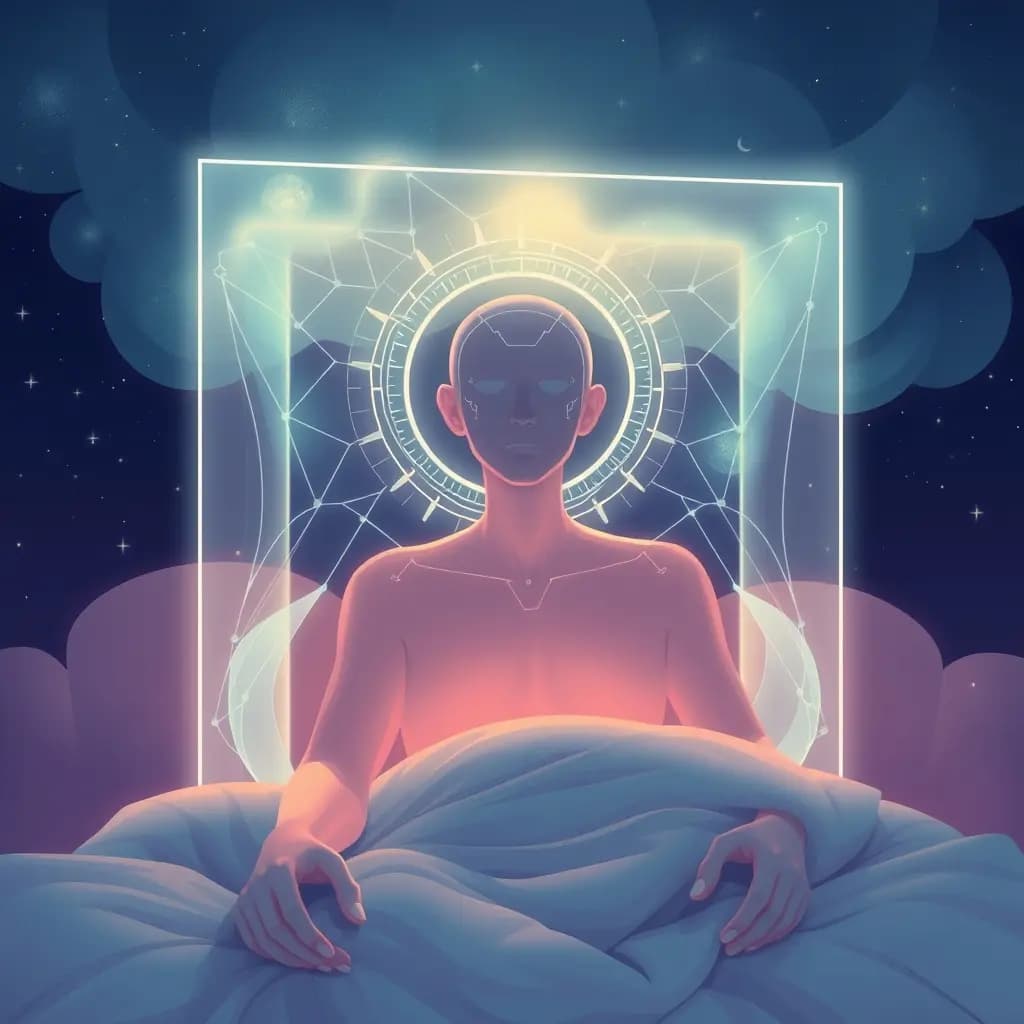
This dream usually points to issues around identity and performance rather than literal technology. A hologram mimicking you most commonly suggests feelings that you’re performing a role, being observed, or at risk of being replaced—either socially, professionally, or online. It often highlights concerns about authenticity, boundary erosion, and the emotional labor of presenting a curated self. The dream can also function as a rehearsal: watching a copy of yourself expose habits, tics, or choices you might be repeating automatically.
What your mind may be processing
From a modern, neutral viewpoint, this dream often arises when social evaluation, role strain, or rapid change is on your mind. In real life, increased surveillance, social media curation, or job restructuring can make you feel doubled: the private self and the public persona. The brain uses vivid mimicry to solidify how you react under observation and to rehearse alternatives. It’s a cognitive spotlight on identity-related choices rather than a clinical statement about your psyche.
What this dream usually does not mean
This dream is rarely a literal prediction that technology will duplicate you or that someone is cloning you. It does not usually foretell a physical doppelgänger or an imminent sci-fi scenario. Instead, the mimicry functions symbolically: it exaggerates how public roles or external pressures mirror and sometimes distort your private identity. Take the imagery as metaphorical feedback, not a factual forecast.
Three common meanings
- Performance and Impression Management. The hologram shows how you rehearse social roles. If you’re preparing for a presentation, new job, or caregiving role, the dream can surface anxiety about how well you ‘perform’ and whether the person you present is authentic. The copy highlights mannerisms or phrases you lean on and asks whether that public version reflects who you want to be.
- Fear of Replacement or Loss of Control. Mimicry can reflect fears that someone or something (a colleague, technology, or cultural trend) is taking over a part of your life. The uncanny accuracy of a hologram amplifies worries about being sidelined, made redundant, or losing control over how others perceive you—especially after a demotion, breakup, or rapid technological change.
- Self-examination and Integration. A copied self can be an invitation to inspect habits you otherwise ignore: defensiveness, conciliatory gestures, or automatic responses. Rather than an enemy, the hologram may be a mirror encouraging integration—recognizing traits you disown and deciding which to keep, refine, or release as you move through a transition.
Concrete details that tend to stand out
People commonly report sterile rooms like conference halls or labs, flickering projectors, the smell of ozone, or a synthetic voice that lags behind their mouth. Others notice small tactile reactions — skin prickling, a ringing in the ears, or the sound of applause from an empty auditorium.
When this dream deserves attention
This dream deserves attention when it repeats, provokes significant distress, or arrives during big life changes like career shifts, long-distance moves, or relationship upheavals. Recurrence suggests an unresolved tension—boundaries being tested, anxiety about replaceability, or persistent role conflict. If the dream is vivid and emotionally charged, journaling specifics, noting when it appears, and exploring recent events that amplify performance pressure can reveal actionable patterns.
How different traditions interpret it
Meanings vary across traditions and cultures. Contemporary Western thinking leans toward technology and identity metaphors; Jungian-influenced views call it a shadow or anima/animus encounter; some Eastern frameworks might frame it as attachment to appearances. Indigenous and shamanic perspectives could treat a doubled self as a sign to restore balance between public duties and private spirit. No single cultural lens has exclusive authority; each places the image within its own symbols and priorities.
FAQ
Is this about relationships?
Sometimes: it often reflects dynamics in relationships where you feel imitated, overshadowed, or compelled to meet expectations. Check for boundary issues, people-pleasing, or patterns of unconscious mimicry with partners, family, or colleagues.
Can this dream be positive?
Yes. It can be positive when the copy functions as a rehearsal tool—helping you practice confidence, integrate useful traits, or notice strengths you overlooked. It can also signal growth if you use the insight to make intentional changes.
Is it related to stress?
Often. Stress, especially social or performance stress, tends to trigger these dreams. Periods of heavy workload, public exposure, or rapid change increase the likelihood because your mind is sorting how to cope while you sleep.
Why do I feel fear in this dream?
Fear usually comes from a sense of loss—loss of control, uniqueness, or privacy. The near-but-not-quite human quality of a hologram hits the uncanny valley, activating fight-or-flight sensations and the worry that your identity is being copied or erased.
Dream meanings connected to this one
If this dream keeps returning, pages about Robot takes your job, AI writes your name, and Your voice turned robotic can reveal the related patterns underneath it. They often overlap around insecurity, transition, or stress in everyday life. You may also want to compare it with Server room on fire if the same mood or conflict keeps showing up.