Dream About High mountain peak – Meaning
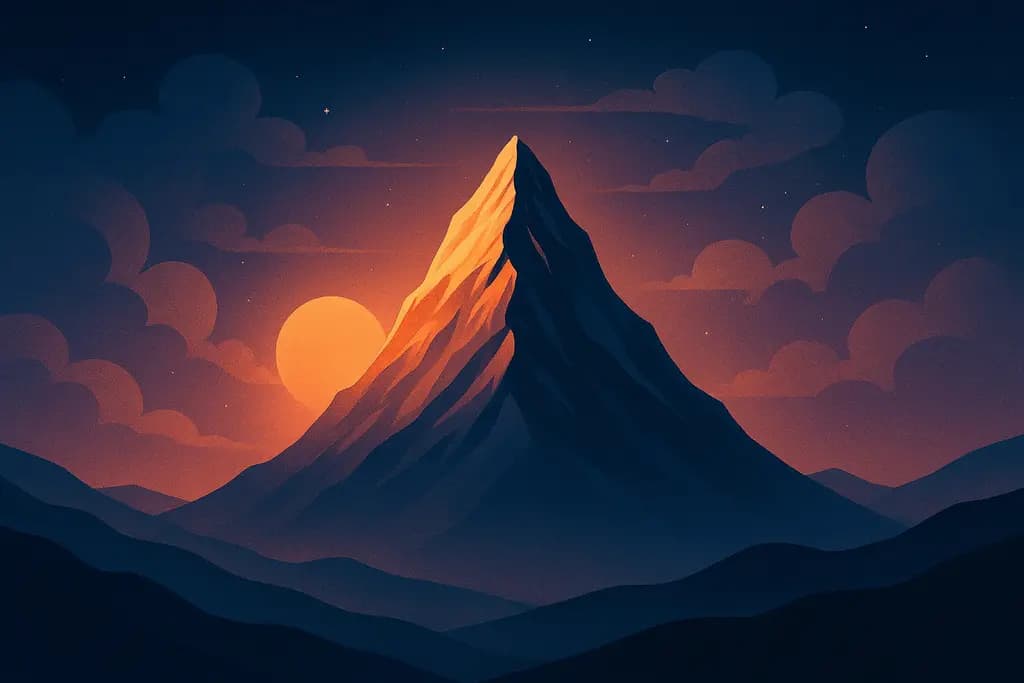
Category: Places
Quick interpretation
Direct answer: this dream commonly signals that you are facing a major challenge or aim that requires sustained effort and a change of perspective. If you climb with labor and pride, it suggests progress toward an important objective; if you stand breathless at the top, it points to a new vantage point or difficult decision. Falling, sliding, or being stranded usually highlights anxiety about whether you’ll reach that goal, not a literal event.
Psychological perspective
From a modern psychological angle, the mountain peak functions as a salient goal-signifier and an anxiety marker: it crystallizes what you value and what you fear losing. The dream often surfaces cognitive themes—planning, risk assessment, perceived resources—and emotion: pride, overwhelm, or relief. Look for task-specific cues in the dream (ropes, companions, weather) that mirror your waking strategies and support network, which can suggest practical adjustments.
What this dream usually does not mean
This dream is rarely a literal prediction of travel, imminent physical danger, or a specific future event. It does not usually foretell a particular climb, move, or accident. Emotion and symbol matter more than accuracy; an intense summit scene often reflects inner pressure rather than an external timetable. Still, the emotional stakes in the dream are real even when the scenario isn’t.
How this dream can be interpreted
Ambition and long-term goals. A tall peak often stands for a concrete life objective: a promotion, finishing a degree, launching a business. Climbing slowly with gear and steady steps suggests realistic planning and incremental progress. If the summit is visible but distant, the dream is highlighting the scale of that aim and reminding you that steady discipline—scheduling, resources, allies—is what will get you there.
Fear of failure or overwhelming challenge. If the slope feels unstable or you slide, the dream commonly reflects anxiety about not being able to meet demands. You might be facing a deadline, caregiving responsibility, or health decision that feels too steep. The dream surfaces feelings of vulnerability and the urge to avoid risk; it can also be a nudge to break the task into smaller, safer steps.
Perspective, transition, or new understanding. Reaching the summit and looking out across a wide panorama tends to symbolize a shift in perspective. This can signal a life transition—ending a chapter, gaining clarity after a conflict, or adopting a broader long-term view. The height represents distance from petty concerns and a readiness to decide from a wider vantage, even if the view brings unexpected loneliness or responsibility.
Unusual details people report
People often recall specific sensory details: a red scarf whipping in icy wind, the distant thud of a helicopter, tents clustered like polka dots at base camp, or the sudden sound of avalanches echoing down the slope. Some report odd objects—an unlocked door halfway up a cliff, a child’s toy lodged in snow—or a physical reaction like pins-and-needles in the feet.
Why recurring versions matter
Recurring high-peak dreams matter when they appear during a prolonged life change, intense stress, or unresolved fear—those repeat visits signal the issue hasn’t reached a resolution. In real life, notice whether the dream coincides with project milestones, exams, or caregiving cycles. Repetition often points to a practical fix (more support, clearer planning) or an emotional one (processing fear of failure or accepting a new role).
Cultural and symbolic views
Meanings vary across cultures: in some Indigenous and Himalayan traditions, mountains are ancestors or places of pilgrimage; in Western Romantic thought, peaks symbolize the sublime and self-overcoming. Different communities emphasize either the communal climb, the solitary summit, or spiritual guardianship. Respect local frames—what looks like ambition in one culture can be a sacred quest in another—so weigh your cultural background and family stories when interpreting this image.
FAQ
Is it related to stress?
Is it related to stress? Yes. Dreams of high peaks commonly surface stress about big tasks or decisions. The physical strain or fear in the dream usually mirrors waking pressure, deadlines, or responsibility—pay attention to problem areas you’re pushing to 'conquer.'
Is this about relationships?
Is this about relationships? Sometimes. If companions, guides, or anchors appear in the dream, it likely reflects relationship dynamics—support, rivalry, or dependence—rather than the mountain itself being only about romance.
What should I do after this dream?
What should I do after this dream? Take two practical steps: name the real-life goal the dream mirrors, then list one small action you can take this week to move forward (delegate, ask for feedback, set a realistic interim deadline).
Is this dream a warning?
Is this dream a warning? Not usually as a literal warning, but it can warn you about burnout, unrealistic timelines, or missing support. Treat it as a signal to reassess pace and resources rather than a prophecy.
Related dream meanings
If this dream keeps returning, pages about Bad Weather, Ballrooms, and black waterfalls can reveal the related patterns underneath it. They often overlap around insecurity, transition, or stress in everyday life. You may also want to compare it with Cave if the same mood or conflict keeps showing up.