Dream About Hidden Room – Meaning
Category: Places
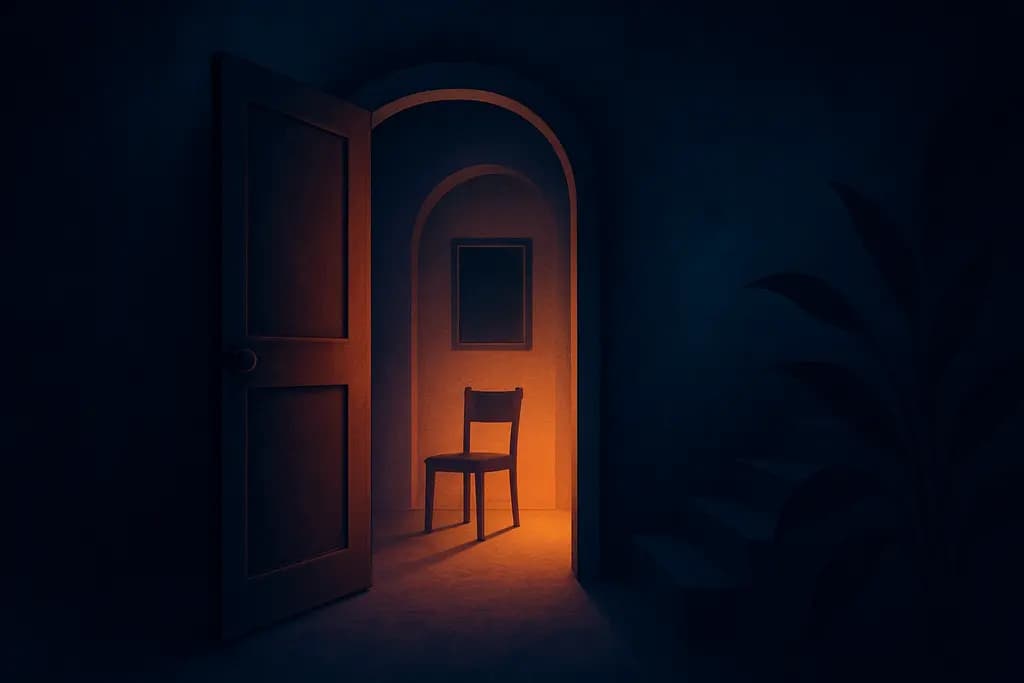
Dreaming of a hidden room often points to parts of yourself or your life that are out of sight: memories, talents, secrets, or unresolved issues. Such dreams invite exploration, but their meaning depends heavily on how you felt during the dream and the surrounding context. A calm discovery will read differently than a panicked search.
General meaning of dreaming about Hidden Room
Hidden rooms in dreams commonly symbolize the unknown or overlooked areas of your inner world. They can represent private thoughts, repressed emotions, untapped potential, or protected aspects of identity you are not ready to show others. Finding or entering a hidden room suggests a move toward awareness; failing to access it can point to barriers you are experiencing.
Typical interpretations include inner discovery, secrecy, and protection. The room’s condition, what you find inside, and whether you enter willingly or are forced in all shape the message. Often, the dream is less about a literal secret space and more about your readiness to confront what lies beneath your daily awareness.
- Hidden talents or suppressed memories
- Emotional issues kept out of view
- Desire for privacy or retreat
- Parts of identity you protect or hide
Spiritual meaning of Hidden Room in dreams
Spiritually, a hidden room can represent a sacred inner chamber or a place where deeper guidance and intuition reside. Many traditions describe an inner sanctum where the true self or soul speaks; a hidden room can act as that metaphor in dreams. Entering it may signal spiritual awakening or the need to attend to inner life, while a locked room can indicate blocked intuition or the need for ritual, reflection, or prayer to access deeper wisdom.
Different traditions frame the symbolism differently—mystical paths might call it a soul chamber, while shamanic perspectives see it as a holding place for lost parts of the self—but the universal theme is accessing inner resources and hidden knowledge.
Psychological interpretation
Fear, stress or anxiety
A hidden room may surface when anxiety or stress causes you to compartmentalize feelings. If you felt fear or panic, the dream can point to emotional material you are avoiding. The sense of urgency or danger in the dream often mirrors real-life pressure to address something you have been postponing.
Relationships and emotional bonds
When a hidden room involves personal objects or someone else in the space, it can reflect aspects of close relationships—secrets kept from a partner, private grief, or feelings you hide to keep the peace. Finding closeted emotions in the room suggests a need for honest communication or healing within those bonds.
Control, power or vulnerability
A locked or inaccessible hidden room can highlight feelings of powerlessness or self-imposed control. You might be protecting yourself from vulnerability, or conversely, suppressing agency over an important part of life. If you willingly create or retreat to a hidden room, it may signal a deliberate attempt to maintain boundaries or reclaim personal power.
Positive meaning
- Discovery of hidden talents or creative gifts that can be nurtured
- Emotional healing through facing suppressed memories or feelings
- Personal growth from integrating previously ignored aspects of the self
- New opportunities revealed once internal barriers are removed
- Strengthened boundaries and healthier privacy that protect wellbeing
Negative meaning and warnings
- May suggest avoidance: you could be postponing important emotional work
- Can indicate secrecy that harms relationships if it persists
- Might point to unresolved trauma or suppressed feelings that need attention
- May indicate a sense of isolation or withdrawal that limits growth
- Can suggest internal blocks to intuition or decision-making
Common variations of dreams about Hidden Room
- Finding a hidden room behind a bookshelf — Often symbolizes uncovering knowledge, a past memory, or creativity you had kept out of sight.
- Locked hidden room you cannot open — May indicate emotional barriers, fear of vulnerability, or resistance to change.
- Hidden room full of old belongings — Can point to unresolved past issues, nostalgia, or baggage that needs sorting.
- Hidden room with a mirror — Often reflects self-examination, confronting an aspect of identity, or seeing yourself differently.
- Hidden room with another person inside — May represent secrets in relationships or discovering something about someone close to you.
- Entering a warm, inviting hidden room — Suggests comfort in introspection, rediscovery of inner resources, or a positive internal retreat.
- Trapped in a hidden room — Can indicate feeling confined by suppressed emotions, guilt, or situations where you lack control.
- Hidden passage leading from the room — May symbolize new paths opening once internal issues are acknowledged.
What to do after such a dream
- Reflect on the emotions you felt in the dream and upon waking; notes can help reveal patterns.
- Consider what in your waking life mirrors the dream: relationships, work, decisions, or past events.
- Gently explore whether there are memories, talents, or feelings you have been avoiding and whether it is safe to address them now.
- Talk with a trusted friend, counselor, or spiritual advisor if the dream brings up heavy or confusing material (this is general support, not medical or legal advice).
- Use practical steps: journaling, creative expression, setting small boundaries, or scheduling time for self-reflection to integrate what the dream highlights.