Dream About Hearing a hidden baby cry – Meaning
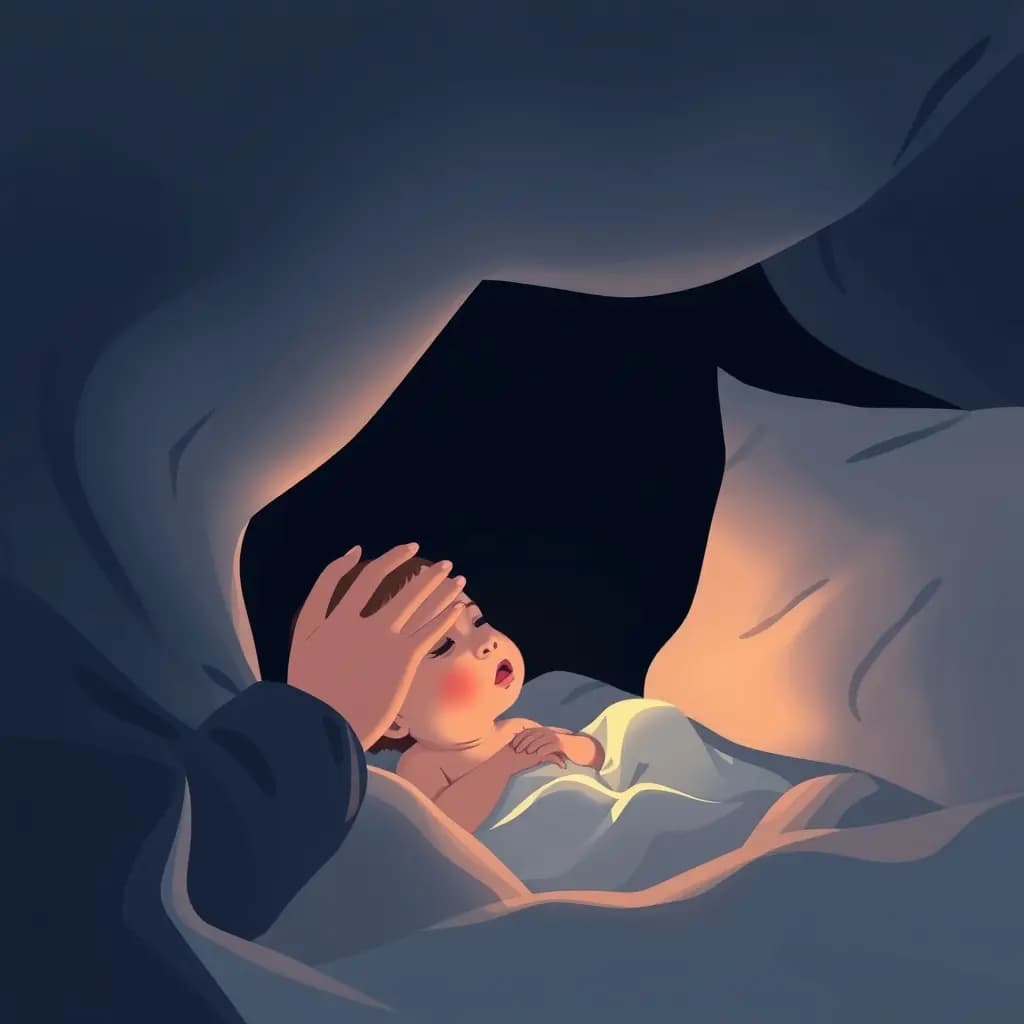
Category: People
Dreaming that you are hearing a hidden baby cry often feels eerie and emotionally charged. This symbol tends to point toward small, vulnerable parts of yourself or someone close to you that need attention. The exact meaning depends a lot on how you felt in the dream and the surrounding context — ongoing stress, relationships, or life changes will shift the interpretation.
General meaning of dreaming about Hearing a hidden baby cry
At its core, hearing a hidden baby cry in a dream usually signifies a call for care, recognition, or emotional attention. Babies in dreams commonly represent new beginnings, vulnerability, innocence, or neglected aspects of the self. When the cry is hidden — faint, muffled, or coming from somewhere you can't see — it suggests that this need is not yet fully acknowledged or is being overlooked.
Typical interpretations revolve around an inner plea or an overlooked person or situation. You may be sensing unresolved needs: a creative project that requires nurturing, a relationship that needs more tenderness, or an emotional wound that hasn’t been allowed to surface. The tone of the cry and your response in the dream shape whether the message is urgent, manageable, or deep-rooted.
- An inner child calling for attention or healing
- A neglected responsibility, idea, or relationship needing care
- Emerging feelings (grief, longing, fear) that haven’t been expressed
- Intuition about someone close who is struggling but hiding it
Spiritual meaning of Hearing a hidden baby cry in dreams
Spiritually, a hidden baby cry often points to nascent spiritual growth or a subtle awakening. Many traditions view crying infants as messengers of new life or the soul’s softer, vulnerable aspects asking to be honored. The hidden aspect can indicate that spiritual guidance is gentle and requires quiet listening rather than dramatic signs.
Across different practices, this symbol can represent a soul calling for compassion, the need to reconnect with innocence, or a signal to slow down and create space for inner renewal. Whether framed in prayer, meditation, or mindful practice, the dream invites you to tend to what is small and fragile within your life’s inner landscape.
Psychological interpretation
Fear, stress or anxiety
A hidden baby cry can surface when stress levels are high and emotions are suppressed. Psychologically, it may be your mind signaling anxiety about responsibilities or potential loss — a small but persistent worry that you haven't allowed yourself to process. The muffled nature of the sound often reflects avoidance: you sense the problem but keep it at a distance.
Relationships and emotional bonds
This dream frequently relates to interpersonal dynamics. It can point to a partner, child, friend, or family member who needs support but is not openly asking for it. Alternatively, it can mirror your fear of not being emotionally available or attentive enough in a close relationship.
Control, power or vulnerability
Hearing a hidden cry can highlight inner conflicts around control and vulnerability. You might struggle with letting others see your softer side, or you could be resisting admitting powerlessness in a situation. The dream prompts a re-evaluation of where you hold back and where gentleness might actually be a strength.
Positive meaning
- A signal of new emotional beginnings: the start of healing or renewed relationships.
- An invitation to reconnect with creativity, playfulness, or the "inner child."
- A gentle nudge toward compassionate action that can improve a relationship or situation.
- An omen of subtle spiritual growth: small awakenings that build over time.
- A reminder that attending to small needs now can prevent larger problems later.
Negative meaning and warnings
- It may suggest neglected responsibilities that can grow if ignored.
- The dream can indicate unresolved grief or suppressed emotions that need attention.
- It can warn of someone close who is quietly suffering and may withdraw if not supported.
- In some cases, it may reflect rising anxiety that could intensify without coping strategies.
All of the above can indicate possibilities rather than certainties; take them as prompts to observe rather than fixed predictions.
Common variations of dreams about Hearing a hidden baby cry
- Hearing a hidden baby cry at home — Often points to domestic concerns or family members needing attention; may reflect anxiety about your role in the household.
- Hearing a hidden baby cry in a public place — Suggests private emotions surfacing in public life or a fear that personal matters will be noticed by others.
- Hearing a hidden baby cry but not finding the baby — Implies frustration or helplessness about identifying the source of a problem; you may sense needs but feel unable to help.
- Hearing a hidden baby cry late at night — Can indicate unresolved worries that intrude when your defenses are down; night timing often highlights vulnerability.
- Hearing a hidden baby cry while pregnant or planning a family — May reflect anticipation, excitement, or fears about parenthood and responsibility.
- Hearing a hidden baby cry and feeling calm — Often a sign that you are ready to nurture what’s emerging and can provide stable care.
- Hearing a hidden baby cry repeatedly over time — Could point to a persistent issue or a recurring emotional theme that requires ongoing attention.
What to do after such a dream
- Reflect on the feelings you experienced in the dream and upon waking; write them down in a dream journal.
- Look at your current life situation: relationships, creative projects, parenting duties, and areas where you might be neglecting small needs.
- Reach out gently to people who might be affected — a check-in call or quiet conversation can reveal hidden struggles.
- Create space for the inner child: practices like mindful breathing, play, or creative expression can help soothe vulnerable emotions.
- Set small, practical steps to address any neglected responsibilities or to provide emotional support to others.
- If the dream stirs persistent distress, consider talking with a trusted friend, spiritual advisor, or mental health professional for deeper exploration.