Dream About Ghost – Meaning
Category: Paranormal & Mysteries
A common version of this dream
You wake in the dark of your childhood hallway to see a pale figure at the far end, the air colder near it and the clock in the living room clicking twice as loudly as usual. The figure doesn't sprint; it lingers by the doorway where an argument once happened. Your chest tightens, you recognize a scent—old perfume or motor oil—and the house feels both familiar and strangely closed-off, as if a conversation was paused years ago.
Main interpretation
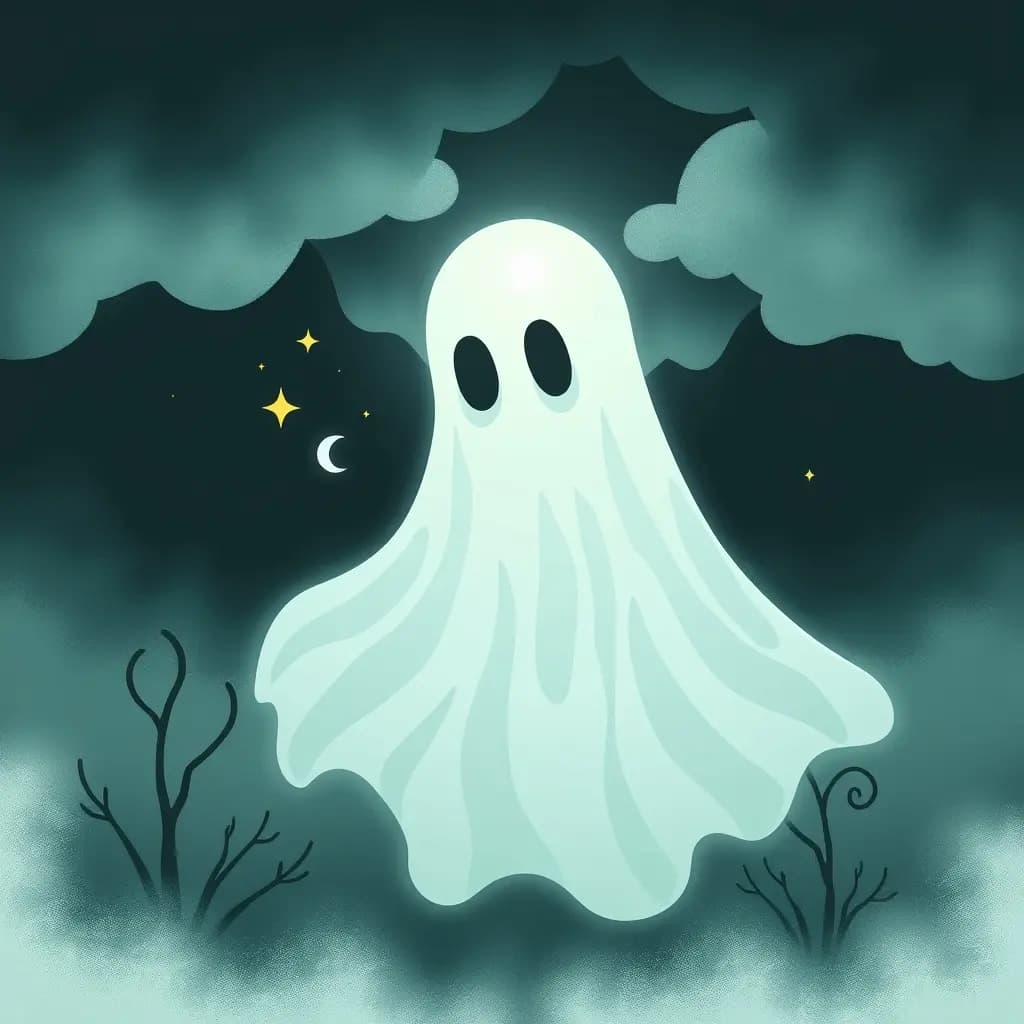
A ghost in a dream most often represents an unresolved element of your past or an aspect of yourself you can't fully acknowledge. It can reflect unfinished conversations, lingering guilt after a breakup, or the presence of a memory that keeps returning. If the ghost repeats a phrase, acts like a relative, or points to a room, those specifics commonly map to a particular memory or relationship dynamic you haven't processed. This symbol usually prompts inner work, not a literal warning.
Key interpretations
Unresolved grief or loss. When the ghost resembles a deceased person or visits a place tied to loss, it commonly reflects unfinished mourning or things left unsaid. The dream may replay a funeral hallway, a goodbye on a porch, or the sound of a name never answered. It often nudges you toward acknowledgement: a lost loyalty, apology, or memory that needs conscious attention.
Parts of yourself you avoid. A translucent version of you in a mirror or a double that mimics your movement can indicate an aspect you disown—shame, anger, or a desire you suppress. The ghost acts out behaviors you won’t allow while awake: shouting, leaving, or dressing differently. This interpretation links the figure to self-integration rather than an external intruder.
Boundary or intrusion issues. A ghost that wanders through open doors, riffling drawers or sitting at your kitchen table often symbolizes someone overstepping in waking life—an intrusive ex, a colleague who takes credit, or a childhood rule-breaker. The dream highlights where your personal space or emotional limits have been crossed and asks whether you need clearer boundaries.
What this dream is rarely about
This dream is rarely a literal prediction or sign that your home is haunted. It does not usually forecast an external supernatural event. Instead of reading it as a prophecy, treat it as symbolic language — a memory, fear, or unresolved exchange wearing the image of a ghost. Emotionally, it can feel ominous, but that feeling often points inward rather than out to a factual future occurrence.
Unusual details people report
Interestingly, people often report precise sensory details: a threadbare wedding dress hanging in a kitchen doorway, a pocket watch ticking on a mantel, condensation on a car window while a pale hand taps the glass, or a crowd of transparent figures crowding a school auditorium. Voices come muffled as if through fabric; cold runs from ankle to spine.
Psychological perspective
From a modern, neutral standpoint, ghost dreams are a form of overnight emotion-processing where memories and current stressors recombine into striking images. They can surface when the brain is sorting trauma, regret, or identity questions—making the past feel present. Dreams are not clinical diagnoses; they are metaphor-rich attempts to organize feelings. Sleep researchers would say the imagery helps rehearse responses or integrate emotional material, so treating the scene as symbolic can reveal specific everyday issues to address.
Why recurring versions matter
Recurring ghost dreams or ones that spike during major life changes deserve attention: recurring images can mean a persistent unresolved issue, high stress, or an unresolved fear around shifts like divorce, caregiving, moving, or retirement. If the same room, phrase, or person reappears, it's a specific marker to revisit that memory or relationship. These dreams often intensify when sleep is fragmented or when you avoid certain conversations; they become important when they start affecting daytime mood or decision-making.
Common questions
Is this about relationships?
Is this about relationships? Sometimes. Ghost imagery commonly points to unresolved interactions—arguments, apologies not made, or emotional debts within relationships, but it can also reflect self-related issues rather than another person.
What should I do after this dream?
What should I do after this dream? Note specific details, write the scene and feelings down, and consider a concrete step: a conversation, a ritual of closure, or setting a boundary. If it repeats, prioritize addressing the underlying situation.
Why do I feel fear in this dream?
Why do I feel fear in this dream? Fear often signals vulnerability around the memory or boundary the ghost represents—the mind uses threat to get attention. It highlights what you perceive as unresolved, unsafe, or embarrassing, not necessarily physical danger.
Dream meanings connected to this one
People who dream about ghost often end up exploring Celebrity Party, Exclusive Club, and Social Status next, because the same pressure can show up through different symbols. Comparing them usually makes the emotional pattern clearer. You may also want to compare it with Diamond Necklace if the same mood or conflict keeps showing up.