Dream About Followers turning into strangers – Meaning
Category: Social Media & Online Life
Quick interpretation
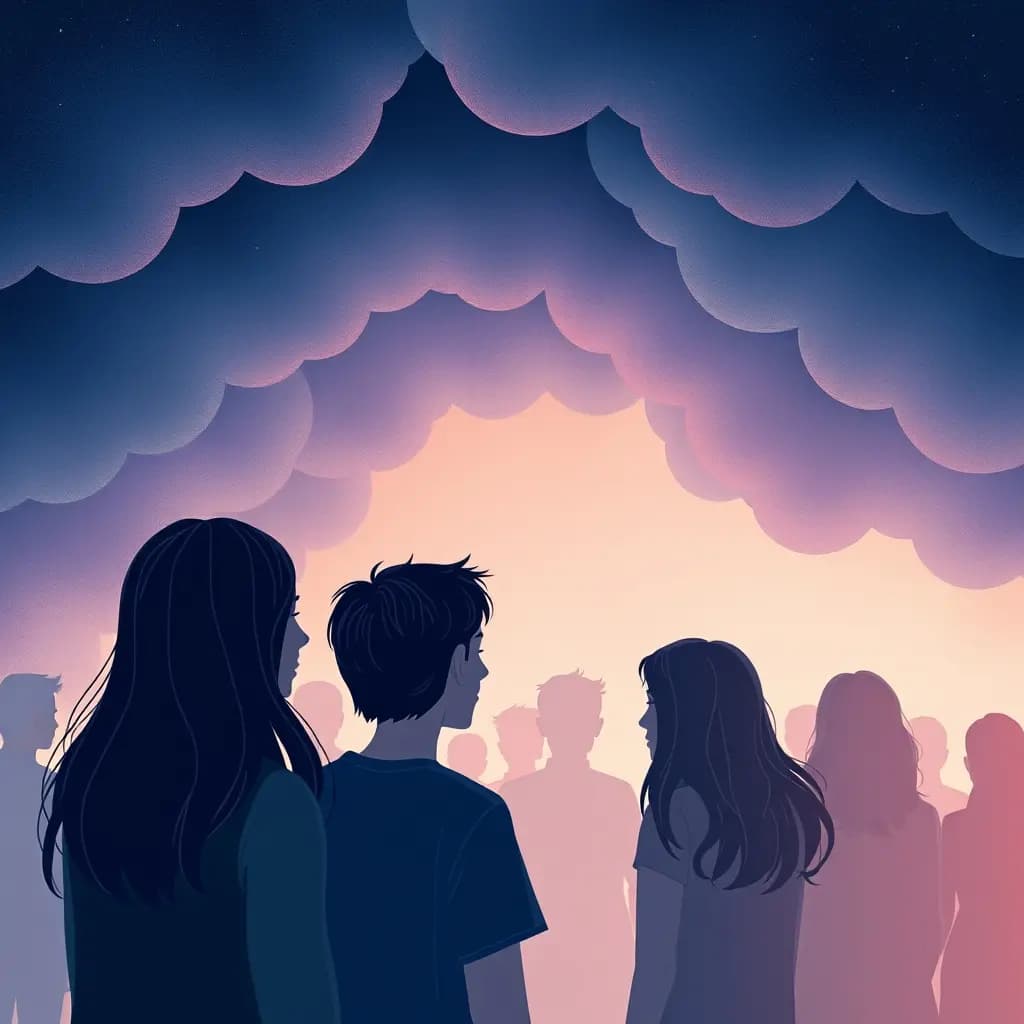
Quick interpretation: this dream commonly points to emotional distance rather than literal loss of followers. It often reflects anxiety about social support, changes in identity, or the psychological experience of being left behind after a visible shift — for example, after a breakup, a public post that drew criticism, or quitting a community. The followers-as-strangers image works as a symbol for privacy boundaries or fading recognition, and may signal a need to re-evaluate who you rely on for validation.
What it can reflect emotionally
From a modern, neutral psychological angle, this dream can reflect social-cognitive processes: threat to belonging, rumination about social status, or the mind rehearsing separation. It commonly appears after events that affect how visible or accepted you feel — a public argument, reduced engagement, or routine changes. In real life, your brain links recent online interactions with deeper needs for connection, so the followers-as-strangers image compresses those concerns into a simple, emotional scene rather than offering direct facts.
What this dream is rarely about
This dream is rarely or does not usually work as a literal prediction that followers will unfollow you en masse or that strangers will harm you. It does not usually forecast a specific online event. Instead, it more often dramatizes an internal change — loss of attention, shifting priorities, or a new desire for privacy — even if the imagery feels like an exact, ominous forecast.
How this dream can be interpreted
Loss of social validation. If you’ve been measuring worth by likes or follower counts, the dream may express a sudden drop in external approval. The followers turning into strangers dramatize a fear that your public identity won’t hold up without constant affirmation. This interpretation often appears after a post that received criticism, a visible mistake, or slower engagement, and it invites practical steps: pause, take a break from metrics, and reconnect with a few trustworthy people offline.
Boundary setting and privacy. Sometimes followers becoming strangers is a relief, not a threat. The dream can represent a subconscious desire to step back from a loud public life — to reclaim private rooms, close doors, and choose who gets access. If you recently limited who sees your content or unfollowed others to protect your mental health, this scenario may show the emotional weight of that boundary work, mixing guilt with quiet liberation.
Identity shift or role change. When major life transitions occur — changing careers, moving, ending a relationship — the people who recognized your old role can feel unfamiliar. The dream captures that disorientation: familiar followers act like strangers because your social identity has shifted. This often follows real-life events such as a new job title or leaving a long-term group, and signals an inner recalibration of who you are versus who others knew.
Concrete details that tend to stand out
People report profiles that peel off like paper, a sudden rain inside a room, an elevator door closing on someone wearing a red hoodie, the sound of typing that turns deafening, or a notification bubble that refuses to clear. Physical reactions like a racing pulse or a lump in the throat also stand out.
Why recurring versions matter
This dream becomes important when it repeats, follows a period of stress, or appears alongside unresolved fear or a major life transition. Recurrent versions often point to an ongoing process — unresolved grief over social change, prolonged anxiety about visibility, or unfinished boundary work. When it recurs, journal the context, notice triggers (a specific post, conversation, or life event), and consider small experiments: pause social media, set clearer online boundaries, or seek honest feedback from a trusted friend.
How different traditions interpret it
Meanings vary across traditions. In Western, individual-centered cultures the dream often reads as anxiety about reputation; in collectivist societies it may highlight issues of social harmony or ‘face.’ Some Indigenous or animist traditions might treat the dream as a message about relational balance or community shifts. Because cultural lenses differ, these are frameworks to consider, not universal truths — interpret the image in light of your own cultural values and personal history.
Frequently asked questions
Can this dream be positive?
Yes. It can be positive when it signals relief from public pressure or the start of healthier boundaries — feeling lighter when the crowd fades can be a welcome emotional shift.
Is it related to stress?
Often. This dream commonly appears during stress or after a social setback because the mind rehearses threats to belonging and safety.
Why does this dream repeat?
Repetition usually means the underlying issue hasn’t been resolved — recurring anxieties about support, an ongoing transition, or repeated exposure to triggering content.
What should I do after this dream?
Reflect on what changed before the dream, limit reactive scrolling, talk with a trusted person, and try one small boundary (mute, archive, or log off) to test how it feels.
Related dreams to explore
If this dream keeps returning, pages about Social score suddenly drops, Finding out you're shadowbanned, and Messages that won't open can reveal the related patterns underneath it. They often overlap around insecurity, transition, or stress in everyday life. You may also want to compare it with Viral post with no context if the same mood or conflict keeps showing up.