Dream About Feeling extreme serenity – Meaning
Category: Feelings
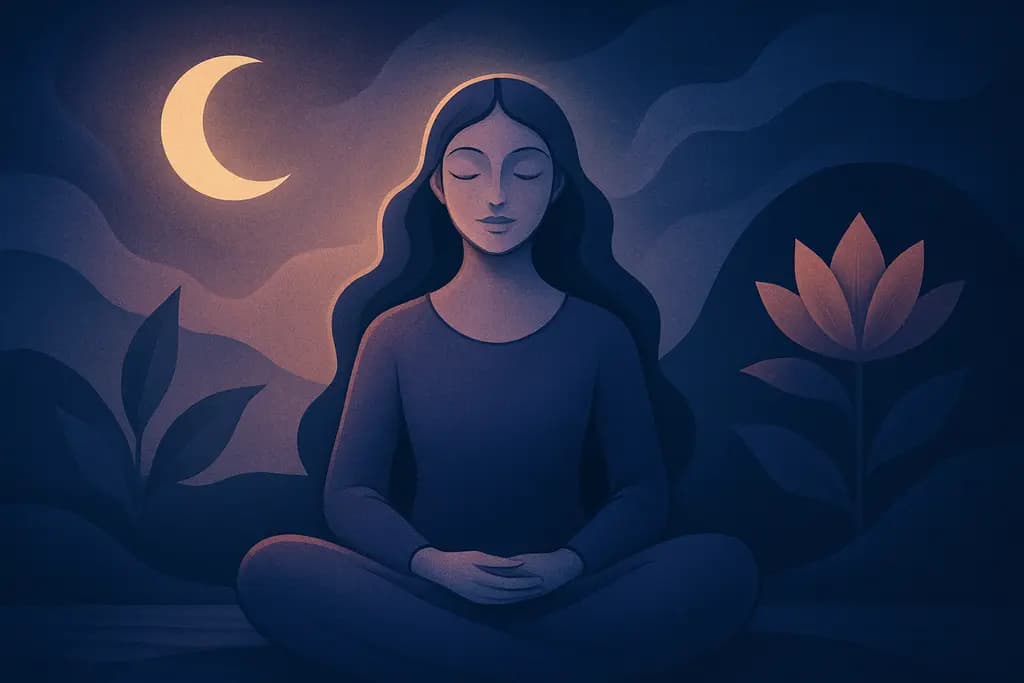
Dreaming of feeling extreme serenity often reflects a deep internal shift: a moment when your mind, body and emotions feel settled and at peace. Such dreams can signal healing, acceptance or a pause after turmoil, but the exact meaning depends on your feelings during the dream and the surrounding context.
General meaning of dreaming about Feeling extreme serenity
At its core, dreaming of extreme serenity symbolizes an inner state of balance and surrender. It points to decreased inner conflict, a release of tension, and a sense that parts of your life or psyche are settling into harmony. This symbol commonly appears after periods of stress, decision-making, or change, acting as an emotional report card: you may be moving toward stability.
Interpreters often view serene dreams as indicators of integration—bringing disparate emotions or experiences into a coherent whole. Depending on the dream’s tone, serenity can be restorative and energizing, or it can be a quiet, neutral plateau signaling a need to reassess motivation and next steps.
- Inner peace and acceptance: reconciliation with yourself or a situation.
- Release and recovery: emotional healing after conflict or loss.
- Clarity and perspective: calmer thinking and better decision-making.
- Detachment or boundary-setting: stepping back from drama or reactivity.
- Preparation for change: rest before a new phase.
Spiritual meaning of Feeling extreme serenity in dreams
Spiritually, extreme serenity in a dream often represents alignment with a deeper source—whether that’s a sense of soul calm, elevated consciousness, or connection to something greater than daily concerns. Many traditions read serenity as a sign of spiritual progress: in Buddhism it resembles moments of equanimity; in contemplative Christianity it mirrors the “peace that passes understanding”; in yogic thought it resembles sattvic balance.
This symbol can also point to energetic clearing—chakras settling, lower emotional turbulence subsiding, and a calmer mind permitting intuition to surface. Across traditions the underlying message is similar: stillness invites insight and greater presence.
Psychological interpretation
Fear, stress or anxiety
Feeling extreme serenity in a dream can be the mind’s way of processing and decompressing after anxiety. It may represent a restorative pause where your nervous system downshifts. Conversely, if the serenity feels numb or flat, it can indicate dissociation—a psychological escape from unresolved fear or chronic stress rather than true resolution.
Relationships and emotional bonds
When serenity appears alongside people you know, it often reflects secure attachment or a newfound acceptance of relationship dynamics. You may be letting go of control, forgiving, or finding contentment in companionship. If the calm feels isolated, it might also point to emotional distance or withdrawal from close bonds.
Control, power or vulnerability
Serenity can signal a healthy relinquishing of control—a conscious surrender that paradoxically increases personal power. Alternatively, it may suggest passivity: avoiding necessary action by calming yourself into inaction. Notice whether the peace feels empowering or flattening to tell the difference.
Positive meaning
- Deep emotional healing and integration after trauma or stress.
- Increased clarity and decision-making capacity.
- Strengthened resilience and reduced reactivity.
- Healthy detachment from unhelpful patterns or toxic situations.
- Renewed creativity and mental space for new projects.
- Spiritual growth and stronger inner guidance.
- Better relationships through acceptance and compassion.
Negative meaning and warnings
- May suggest emotional numbness or avoidance rather than true processing.
- Can indicate complacency: a reluctance to act where action is needed.
- Might point to suppressed grief or anger that has been quieted but not resolved.
- Can indicate vulnerability to manipulation if serenity leads to passivity.
- May suggest an unhealthy dissociation from daily responsibilities.
Common variations of dreams about Feeling extreme serenity
- Feeling serene in nature (walking in a forest, by the sea): often means grounding and reconnection; a call to spend more time outdoors and slow down.
- Floating or weightless while feeling serene: usually signals relief from burdens or a liberating release; sometimes points to dissociation if the feeling is detached.
- Sitting quietly with a loved one and feeling serene: suggests secure attachment, emotional safety, or a healing in that relationship.
- Waking with sudden overwhelming peace: can indicate a breakthrough—an anxiety phase ending or a new clarity arriving.
- Serenity after crying or mourning: typically reflects acceptance and integration in the grieving process rather than denial.
- Feeling serene amid chaos (calm in a storm): may point to internal stability and resilience, or to emotional shutdown as a coping strategy.
- Shared serenity in a group meditation or ceremony: often means communal healing, alignment with shared values, or reinforcement of spiritual practice.
What to do after such a dream
- Reflect on the dream details: where were you, who was present, and what sensations accompanied the serenity? Journal these impressions to clarify whether the peace felt restorative or flat.
- Check your current life situation: are you coming out of stress, making a big decision, or avoiding conflict? Link the dream to real-world events to see what needs attention.
- Consider relationships and boundaries: did the dream highlight connection, detachment, or both? Use it to guide conversations or adjustments in intimacy and limits.
- Notice bodily cues: does your body mirror the calm? If it does, deepen restorative practices (sleep, nutrition, gentle movement). If not, explore whether emotional numbness needs addressing.
- Set small, intentional next steps: if the serenity is energizing, plan creative or practical actions; if it feels like avoidance, identify one gentle task that re-engages you.
- Share the experience with a trusted friend or therapist if it raises questions or uncovers old pain—use the dream as a doorway to understanding, not a final answer.