Dream About Feeling Abandoned by a Loved One – Meaning
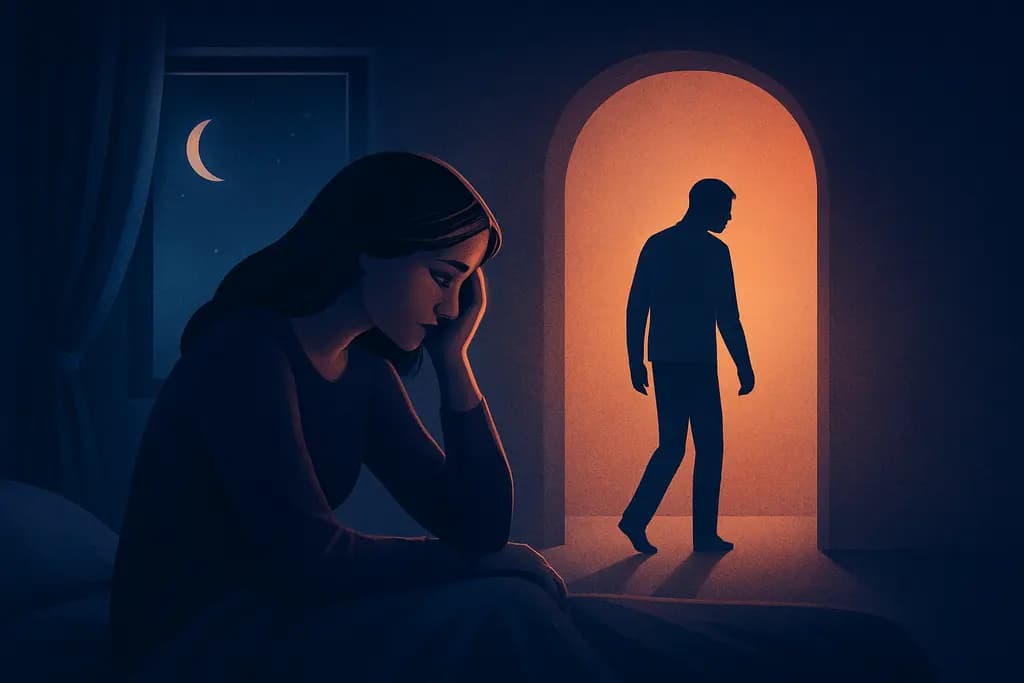
Category: Relationships
Dreaming that you are feeling abandoned by a loved one often points to deep emotional currents rather than a literal prediction. These dreams highlight feelings of loss, insecurity or being unsupported — but their meaning depends heavily on your emotional tone and the dream's context. Pay attention to who the loved one is, what happens, and how you feel in the dream.
General meaning of dreaming about Feeling Abandoned by a Loved One
At its core, a dream about being abandoned by someone you care for symbolizes a fear of separation, real or imagined. It can be a replay of past wounds, a reaction to current relationship strain, or an expression of internal shifts toward independence. The imagery of abandonment often amplifies feelings that are already simmering beneath the surface.
These dreams typically draw attention to attachment patterns, unmet needs, and areas where you may feel emotionally unsafe. They can serve as an alarm — asking you to examine your relationships, your expectations, and the way you cope with uncertainty.
- Fear of loss or rejection
- Unresolved childhood or relationship trauma
- Feeling emotionally unsupported or neglected
- Need for greater boundaries or independence
- A signal to address communication breakdowns
Spiritual meaning of Feeling Abandoned by a Loved One in dreams
Spiritually, abandonment dreams can represent a necessary purging of old attachments or a stage in soul growth. Many spiritual traditions view such dreams as invitations to examine what you rely on for security and whether that reliance is healthy.
In some contemplative practices, the pain of abandonment is seen as a prompt to cultivate inner refuge or trust in a deeper source of connection. In other traditions it may point to karmic lessons about attachment and freedom. Across paths, the universal takeaway is often the call to develop inner resilience and to transform dependency into conscious presence.
Psychological interpretation
Fear, stress or anxiety
Dreams of abandonment commonly mirror daytime anxiety. If you are under stress — from work, family, illness or change — the dream may personalize that stress into the figure of a loved one leaving. It can also reflect hypervigilance: expecting loss before it happens because of past experiences.
Relationships and emotional bonds
These dreams often expose attachment dynamics. People with anxious attachment may dream of being left to test the solidity of bonds, while those with avoidant traits may experience abandonment as a mirror of their own distancing behavior. The dream asks you to notice unmet needs and how you communicate them.
Control, power or vulnerability
Being abandoned in a dream can highlight feelings of helplessness or a loss of control. It may reveal vulnerabilities you keep hidden and encourage you to name where you feel powerless in life. Conversely, it can also point toward an inner shift — the uncomfortable but necessary step from dependence to personal agency.
Positive meaning
- A catalyst for personal growth and greater emotional independence.
- An opportunity to identify and heal old attachment wounds.
- A sign you are ready to set stronger boundaries and prioritize self-care.
- A nudge to develop inner security rather than relying solely on others.
- A prompt to improve communication and repair or transform important relationships.
Negative meaning and warnings
- May suggest unresolved childhood abandonment or trauma that still affects current relationships.
- Can indicate a real risk of emotional neglect if a partner or family member is withdrawing.
- May warn that avoidance or passive aggression in a relationship could lead to greater distance.
- Can point to growing isolation if you are not addressing your social and emotional needs.
Common variations of dreams about Feeling Abandoned by a Loved One
- Partner leaving you unexpectedly — Often reflects anxiety about the relationship's stability or fears of not being enough for your partner.
- Loved one ignoring or giving the silent treatment — Can signal feelings of emotional neglect or difficulty expressing needs and receiving validation.
- Parent or caregiver abandoning you as a child — Tends to echo childhood wounds and may reveal how early loss shapes trust in adult relationships.
- Being left in a public place (station, mall, street) — Highlights exposure and vulnerability; you may feel judged or unsupported in a social role.
- Watching someone you love walk away without calling back — Suggests helplessness and a fear that attempts to reconnect will fail.
- Being locked out of home by a loved one — Points to rejection, boundary conflicts, or feeling excluded from an inner circle.
- Abandoned after an argument — May reflect fear of conflict escalation and the potential emotional costs of unresolved disagreement.
What to do after such a dream
- Reflect calmly on the emotions the dream stirred: fear, anger, shame, relief — name them.
- Write down the dream details and any waking-life events or tensions that may connect to it.
- Consider who in your life mirrors the dream figure and whether that relationship needs clearer boundaries or honest conversation.
- Communicate gently with the person involved if the dream points to a real issue; use "I" statements to express needs rather than blame.
- Practice grounding and self-soothing (breathing, short walks, comforting routines) if the dream leaves you unsettled.
- Use the dream as a prompt to strengthen your supports: reach out to trusted friends, join a support group, or consider professional support for persistent patterns.
- If the dream recurs and disrupts daily life, explore dreamwork techniques such as guided imagery or journaling to process the underlying material.