Dream About False Awakening (Waking Inside a Dream) – Meaning
Category: Actions
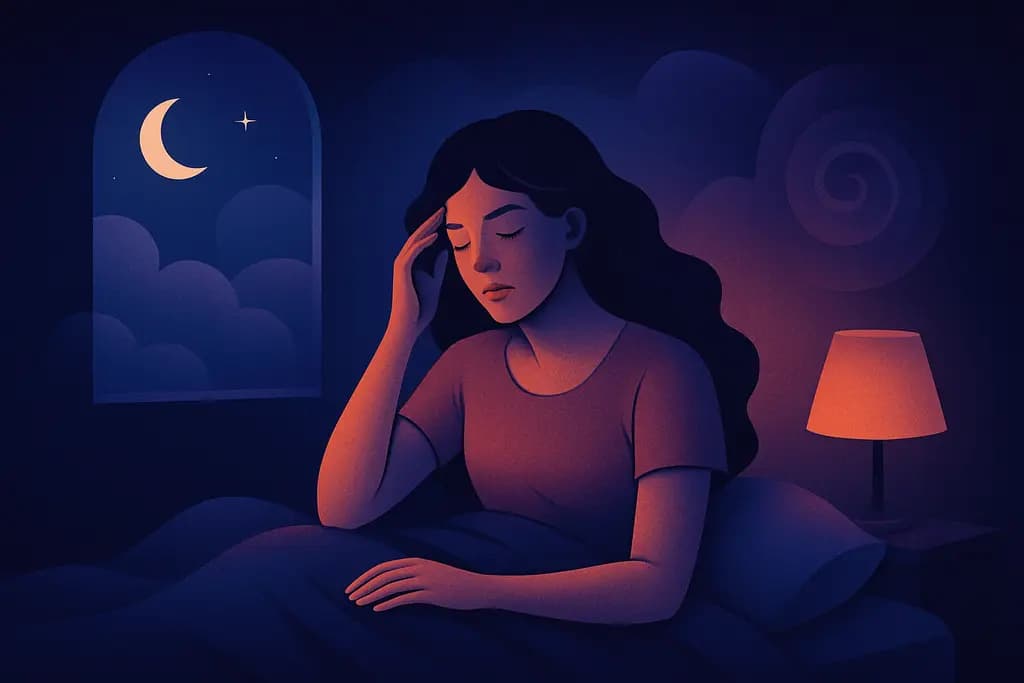
False Awakening (Waking Inside a Dream) is a vivid dream in which you believe you have woken up, only to later realize you are still dreaming. These experiences can feel convincing and sometimes unsettling, blending the familiar routine of waking with the surreal logic of a dream. The meaning depends heavily on how you felt during the episode and the surrounding context of the dream.
General meaning of dreaming about False Awakening (Waking Inside a Dream)
At its core, a false awakening often symbolizes a mismatch between perception and reality — a moment when your inner mind tests the boundary between consciousness and sleep. Because the dream imitates waking life, it draws attention to daily routines, expectations, and the possibility that something in your life is not as it appears.
Many people report false awakenings during periods of transition, stress, or heightened introspection. The symbol commonly points to repeated thought patterns, unresolved decisions, or a sense of being stuck in automatic behavior.
- A sense of unreality or cognitive confusion
- Rehearsing or preparing for a real-life event
- Feeling stuck in routine or habit
- A warning that you may be overlooking important details
Spiritual meaning of False Awakening (Waking Inside a Dream) in dreams
Spiritually, false awakenings can be read as a ceremony of inner awareness — an invitation to notice layers of self you usually ignore. In multiple traditions the experience is seen as a liminal state where the veil between waking life and deeper intuition is thin.
Some practices view false awakenings as opportunities to practice mindfulness or lucid dreaming skills; others interpret them as gentle signals from the subconscious or subtle energetic shifts asking you to pay attention. Across traditions the theme is consistent: a call to awaken more fully to inner truth.
Psychological interpretation
Fear, stress or anxiety
False awakenings commonly surface during anxious periods. They may mirror worries about deadlines, exams, or looming responsibilities — your mind replays waking scenes to process tension. The convincing nature of the dream can amplify feelings of panic or unease, highlighting unresolved fear.
Relationships and emotional bonds
When false awakenings involve familiar people or morning routines, they can reflect relational uncertainty or unmet expectations. Repeating the act of waking can symbolize attempts to “wake up” to problems in a partnership or the desire to break a pattern of emotional numbness.
Control, power or vulnerability
Because a false awakening blurs who is in control, it often relates to feelings of powerlessness or the need to regain agency. You may be testing the boundaries of control — trying to wake yourself up, to change outcomes, or to assert your will in situations where you feel passive.
Positive meaning
- Practice and preparedness: Rehearsing a waking moment can reflect readiness for upcoming events.
- Increased self-awareness: The dream can highlight areas where you’re becoming more conscious of habits or beliefs.
- Lucidity and inner training: Repeated false awakenings can be a doorway to lucid dreaming and intentional inner work.
- Opportunities for change: Noticing the pattern can motivate real-life adjustments and healthier routines.
- Emotional integration: The dream may signal that you’re processing complex feelings and moving toward resolution.
Negative meaning and warnings
- Can indicate heightened anxiety or chronic stress that may need attention.
- May suggest avoidance: repeatedly “waking” without acting can mean you are postponing difficult decisions.
- Might point to disconnection from reality when used as an escape from problems.
- Can imply unresolved trauma or intrusive thoughts resurfacing in sleep.
These interpretations may suggest areas to explore, but they are not definitive diagnoses.
Common variations of dreams about False Awakening (Waking Inside a Dream)
- Repeated false awakenings: Dreaming that you wake up multiple times in one night can indicate persistent worry or an unresolved issue your mind keeps returning to.
- False awakening before an important event: Waking inside a dream the night before a test or interview often reflects anticipatory anxiety and mental rehearsal.
- False awakening with a different routine: If the ‘waking’ sequence doesn’t match your usual morning, it may signal a desire for change or discomfort with current habits.
- False awakening followed by lucid awareness: Recognizing you’re still dreaming suggests growing introspective skill and the potential to influence dream content.
- False awakening with missed alarm or appointment: This variation can point to fears of failure, guilt, or concern about letting others down.
- Shared or mutual false awakening: Experiencing a false awakening that involves someone else can reflect shared stressors or mutual disconnection in a relationship.
- False awakening coupled with sleep paralysis: When the dream includes paralysis, it can intensify feelings of helplessness and may indicate deep-seated fear or trauma.
What to do after such a dream
- Reflect on the emotions you felt during the false awakening: were you anxious, calm, confused, or determined?
- Look at your current life situation: identify any routines, decisions, or unresolved tasks that mirror the dream.
- Journal specific details: repeating the narrative can reveal patterns or triggers you hadn’t noticed.
- Discuss it with trusted friends or a therapist if it recurs or causes distress; sharing can clarify meaning.
- Use grounding practices on waking (breathing, stretching, a short walk) to re-establish calm and presence.
- If the dream leads to insight, consider small, actionable changes to routines or relationships to resolve the core issue.