Dream About False awakening (wake up inside a dream) – Meaning
Category: Fears & Nightmares
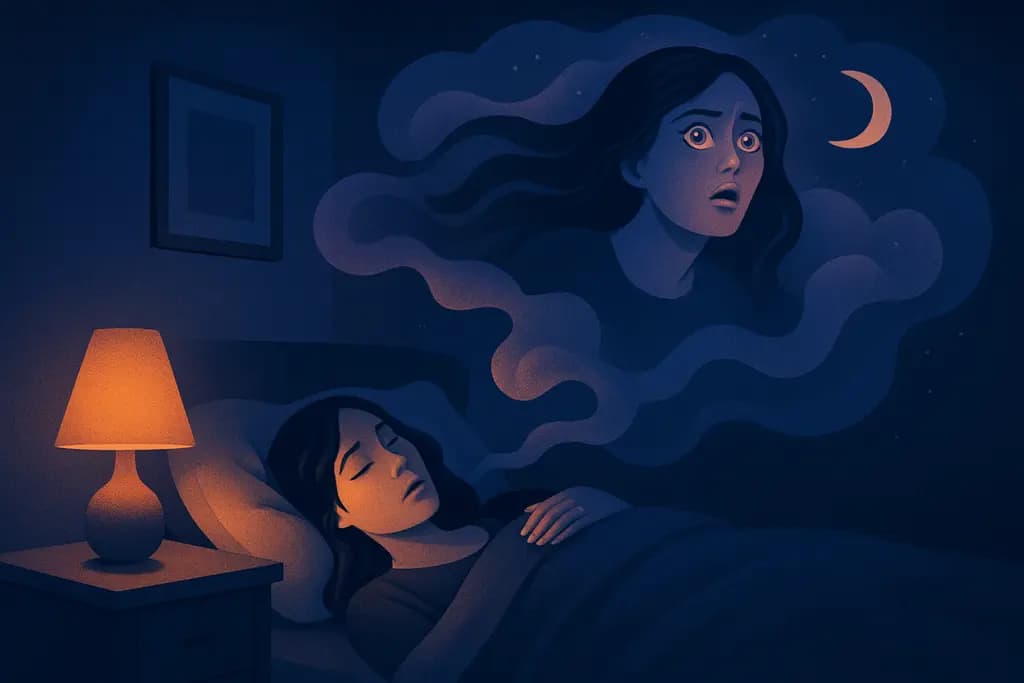
Dreaming that you wake up — only to realize you are still dreaming — is called a false awakening. These experiences often feel disorienting, urgent, or eerie, and can leave you wondering what’s real. The meaning of a false awakening depends heavily on your feelings during the dream and the life context around it.
General meaning of dreaming about False awakening (wake up inside a dream)
False awakenings commonly symbolize a gap between awareness and reality. At their core they point to a mismatch between how you think things should be and how they actually are, or to a mind testing the border between waking life and deeper unconscious material.
Because false awakenings repeat the act of waking, they often highlight incomplete processing — an unresolved thought, emotion, or decision that your mind keeps returning to. People report a mixture of relief, confusion, or dread upon false awakening, and those emotional tones shape interpretation.
- Interrupted processing: the dream may signal something you haven't fully integrated.
- Anxiety or anticipation: looming tasks, deadlines, or worry can trigger the sensation of waking repeatedly.
- Liminal awareness: the dreamer is between sleep and waking, suggesting tests of reality or emerging insight.
- Feeling trapped or disoriented: a sense of being unable to move forward until something is settled.
Spiritual meaning of False awakening (wake up inside a dream) in dreams
Spiritually, a false awakening can be read as a message about inner awakening or the beginning of a transition. Many traditions view dream-waking states as liminal moments where the soul or consciousness brushes up against another level of awareness.
In Buddhist and contemplative paths, such experiences may be invitations to deepen mindfulness and notice the nature of perception. In shamanic or New Age frameworks, false awakenings can be interpreted as a signal of energetic shifts, a check on one’s astral travel, or a prompt to realign intention and purpose.
Psychological interpretation
Fear, stress or anxiety
When false awakenings are frequent during stressful periods, they may mirror an internal sense of urgency or worry. Your mind simulates waking because concerns demand attention — bills, work tasks, health worries — and the repeated alarm of “waking” reflects unresolved stress.
Relationships and emotional bonds
If the dream centers on people or a home, it can point to unsettled relationship issues. A false awakening in the presence of a partner, family member, or ex may suggest emotional matters you haven’t fully acknowledged or communicated.
Control, power or vulnerability
False awakenings often highlight feelings of losing control or being vulnerable. The inability to trust that you’re awake can echo waking-life power struggles, boundary confusion, or fear of being unprepared.
Positive meaning
- Growing awareness: the dream can signal emerging self-knowledge and the first steps toward change.
- Opportunity for lucidity: repeated false awakenings can train you to become lucid and practice conscious awareness.
- Emotional processing: the mind is working through material that may lead to resolution once addressed.
- Increased readiness: the sensation of wakefulness can mean you’re on the verge of making a meaningful decision.
- Creative insight: liminal states often foster unusual connections and creative ideas.
Negative meaning and warnings
- May suggest unresolved anxiety that keeps resurfacing instead of being handled.
- Can indicate avoidance — the mind keeps rehearsing wakefulness instead of confronting a problem.
- May signal sleep disruption or poor sleep quality when it happens frequently.
- Can indicate dissociation or detachment if the dreamer regularly feels unreal or disconnected.
Common variations of dreams about False awakening (wake up inside a dream)
- Recurring false awakening: Repetition often points to a persistent issue that requires conscious attention or a change in behavior.
- False awakening with sleep paralysis: When paralysis accompanies the experience, it may amplify fear and highlight helplessness or intense nighttime stress.
- False awakening in your own home: Waking inside a familiar place can suggest insecurity in what should feel safe, or unresolved domestic concerns.
- False awakening before an alarm or deadline: This variation commonly reflects anticipatory anxiety about obligations, exams, or work demands.
- Lucid false awakening: Becoming aware within the false awakening can be empowering and offers a chance to practice control and reframe the dream.
- False awakening after a nightmare or trauma-related dream: It can be part of the mind’s attempt to process traumatic or disturbing material, often signaling the need for care and support.
- False awakening that leads to real waking: When a false awakening immediately precedes actual waking, it can leave lingering disorientation and suggest a blurred boundary between sleep and daytime concerns.
What to do after such a dream
- Reflect and journal: write down the details and strongest feelings to spot recurring themes or triggers.
- Note life context: consider recent stressors, deadlines, or relationship tensions that may relate to the dream.
- Use grounding and reality checks: simple practices (naming objects, checking clocks, deep breathing) can reduce lingering fear and help differentiate dream from waking patterns.
- Improve sleep routine: consistent rest, reducing late stimulation, and calming pre-sleep habits can lower the frequency of intrusive false awakenings.
- Talk it through: share the dream with a trusted friend or support person to gain perspective and emotional relief.
- Consider learning lucid-dream techniques: if approached gently, cultivating awareness in dreams can transform frightening false awakenings into moments of agency.
- Seek support if needed: if these dreams are frequent and disruptive, reaching out for help and guidance can be a constructive next step.