Dream About Fainting – Meaning
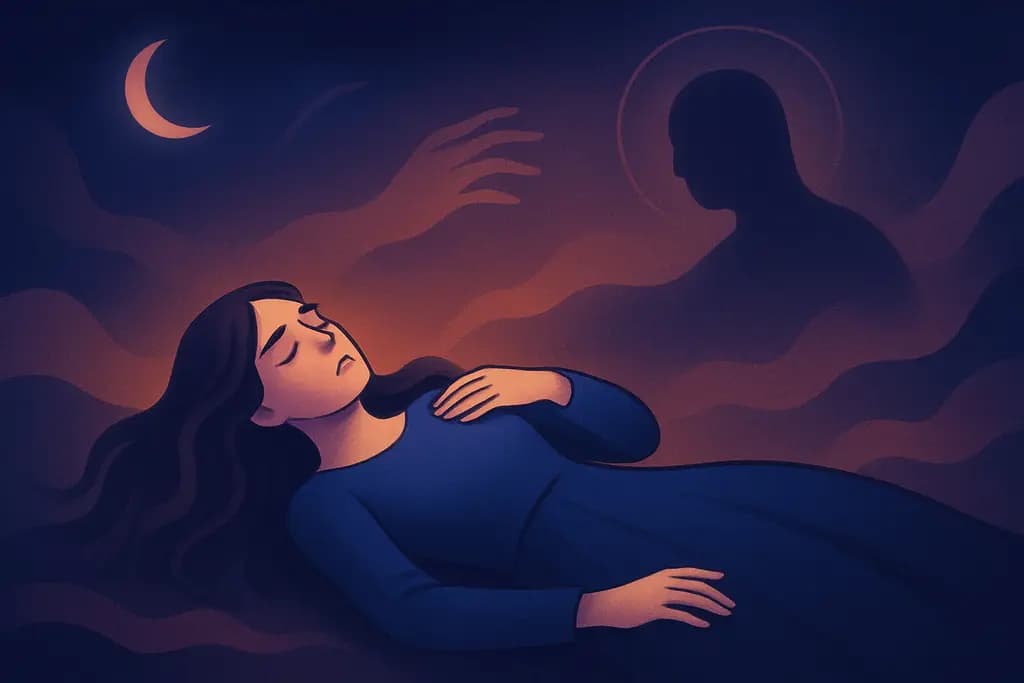
Category: Fears & Nightmares
A common version of this dream
You feel your mouth go dry and your knees buckle in the middle of a fluorescent-lit office presentation; colleagues crowd the perimeter, a projector hums, and the world tilts as you drop onto a folding chair. Panic and shame spike together — you can’t breathe fully and your vision narrows to a single exit door across the room. That sudden collapse in public, during a commute, or while answering urgent questions often matches a real-life pressure point: an overloaded schedule, a critical choice, or a relationship that’s become too demanding.
Concrete details that tend to stand out
People often recall falling in a bright subway car, collapsing against a rain-soaked bus stop, feeling a cold metal door under their hand, hearing a single, high-pitched ring, or noticing clothing soaking with sweat. Some remember a crowd’s murmur fading to muffled ocean sounds or the alarmed color of someone’s red scarf nearby.
Quick interpretation
In many cases, fainting in a dream signals a perceived loss of control and a need to conserve energy. It commonly reflects emotional overwhelm — when responsibilities, expectations, or a sudden shock exceed your capacity to cope. The dream focuses attention on exhaustion, suppressed feelings, or interpersonal dynamics that leave you feeling exposed; it’s a prompt to recognize limits and take concrete steps like pausing commitments or asking for help rather than pushing through until you break.
Key interpretations
Overwhelm and burnout. Fainting may represent cumulative fatigue: long work hours, caregiving duties, or relentless worry that drain reserves until you feel you can’t stand. The collapsing body in the dream mirrors real exhaustion and the mind’s attempt to force a stop. The scene — whether a busy conference room or a packed subway — highlights where social or professional expectations push you past a safe threshold.
Loss of agency or emotional shutdown. In other versions, fainting points to feeling silenced or powerless in a relationship or situation. The sudden blackout is symbolic of emotional shutdown — a protection against confrontation or pain. If you wake with shame or relief, the dream may be processing a choice to withdraw, avoid, or momentarily disconnect from people who demand too much.
What it can reflect emotionally
From a modern, non-medical viewpoint, fainting dreams often reflect the nervous system’s response to prolonged stress or unresolved emotions. They can indicate boundaries have been exceeded or that coping strategies (like suppression or overwork) are failing. Therapies that emphasize pacing, clearer limits, and naming feelings may reduce recurrence; the dream is a mental signal to adjust behavior and supports rather than a diagnosis.
What this dream usually does not mean
This dream is rarely a literal prediction of a health event or imminent fainting in waking life. It does not usually work as a straightforward warning about your physical body collapsing at a specific time. Instead, it more often symbolizes emotional overload, boundaries being tested, or a temporary inability to respond to demands.
When this dream deserves attention
This dream deserves attention if it recurs, follows a sustained high-stress period, or arrives alongside waking symptoms like chronic fatigue, sudden avoidance of social situations, or ongoing anxiety. Repeating fainting dreams often mark unresolved fear or a life transition — a job change, end of a relationship, or health scare — where you haven’t given yourself permission to slow down. Notice patterns: timing (after big deadlines), people present, and whether the dream ends with care or abandonment.
FAQ
What should I do after this dream?
After this dream, pause and check practical needs first: rest, hydrate, and review your schedule. Write one immediate change you can make (shorter workday, delayed decision) and tell a trusted person about it so you don’t carry the pressure alone.
Is it related to stress?
Yes. Fainting dreams are commonly related to stress: chronic workload, acute pressure, or emotional strain can all trigger them. The dream often surfaces when coping strategies are taxed and the mind signals a need to slow down.
Is this about money?
Usually not directly. While money worries can produce similar anxiety, fainting dreams are more about emotional capacity and control; if financial stress is overwhelming you, the dream may reflect that, but it isn’t typically a pure money omen.
Can this dream be positive?
Yes. It can be positive — a turning point that alerts you to necessary rest or boundary-setting. When acted on, the dream can lead to better self-care, clearer priorities, and relief rather than harm.
Related dreams to explore
If this dream keeps returning, pages about Abandonment, Aging, and Being Chased can reveal the related patterns underneath it. They often overlap around insecurity, transition, or stress in everyday life. You may also want to compare it with Being Followed if the same mood or conflict keeps showing up.