Dream About Entering the Wrong House – Meaning
Category: Places
What this dream usually means
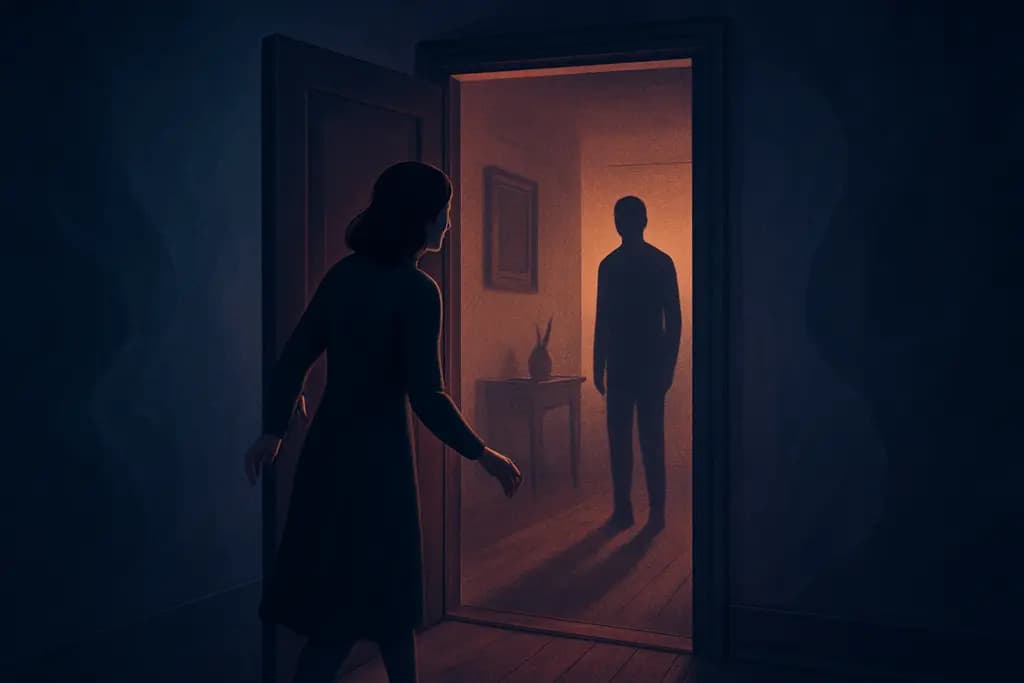
This dream commonly reflects situations where personal limits, roles, or choices are unclear. The house is a stand-in for parts of your life (home life, job, social circle); entering the wrong one often means you’re operating in someone else’s territory or trying on an identity that doesn’t match your inner sense of self. How you feel on arrival — welcome, embarrassed, trapped, or inquisitive — typically determines whether the dream is warning you to pull back or inviting you to explore a new option with care.
What it can reflect emotionally
Viewed psychologically, the wrong-house dream maps onto conflicts between self-concept and social roles. It often appears when cognitive dissonance is present — you’re acting in ways that don’t match your private values or when decisions are driven by habit rather than intention. Emotions in the dream (shame, curiosity, relief) correspond to waking feelings about responsibility, belonging, and autonomy. The dream gives a condensed rehearsal: it lets you simulate consequences safely and notice where your behavior and identity feel out of sync.
Three common meanings
Boundary confusion. You may be accepting responsibilities or emotional demands that belong to someone else. The wrong house reflects blurred lines: answering a partner’s calls at the expense of your work, managing a parent’s tasks that feel like yours, or saying yes to favors until you feel intruded upon. Feeling trapped or apologetic in the dream highlights an exhausted boundary in waking life.
Identity shift or role testing. Entering a house that isn’t yours can show you trying on a new role — a promotion, a relationship identity, a parental role — before it truly fits. If the rooms feel right despite the sign saying ‘wrong,’ the dream may be rehearsing a change you’re curious about. If the decor clashes or you feel out of place, it suggests the role might not align with your values.
Misguided choice or wrong path. The scene may point to a decision that feels like a detour: pursuing a project that doesn’t match your goals, moving into a social group that drains you, or making a commitment for the wrong reasons. Panic at realizing the house is wrong often accompanies waking regret or second thoughts about a recent choice.
Fear of exposure or social awkwardness. If the dream emphasizes being caught, recognized, or shamed inside the wrong house, it can reflect worry about how others perceive you. You might be pretending to belong or hiding uncertainty. The presence of onlookers, whispered voices, or someone pointing can mirror anxieties about being seen as inauthentic.
What this dream usually does not mean
This dream is rarely a literal prediction that you will physically end up in someone else’s house. It does not usually mean imminent danger or supernatural trespass. Instead, it is most often symbolic — pointing to misplaced choices, blurred boundaries, or identity testing — rather than forecasting a concrete event. Treat it as a signal about your inner life, not as a factual warning.
Unusual details people report
People often report concrete images: a kitchen with the wrong family photos, a locked attic door, guests in mismatched clothing, a dog that doesn’t recognize you, rain dripping from an open porch, or the key turning in a door that never belonged to you. Some wake with the sensation of cold tile under their feet or the sound of a clock halting.
When this dream deserves attention
Pay attention when the dream repeats, when it wakes strong emotion, or when it follows a major life change (job switch, move, new relationship). Recurrence suggests an unresolved boundary or persistent choice that needs conscious review. If the dream appears during chronic stress or after taking on new duties, it’s a prompt to reassess commitments, communicate limits, or adjust your role. It becomes urgent if it leaves you feeling stuck in daily life or interferes with sleep quality.
How different traditions interpret it
Meanings vary across traditions and communities. In Western symbolic accounts the house often represents the psyche; Jungian approaches emphasize archetypal rooms. Some folk traditions read a wrong-house dream as a warning to respect household boundaries or ancestral territory. Religious interpretations may frame it as a test of moral fit or providence. Different cultures prioritize social roles, so the dream may be understood as a failure to fulfill communal duties in one context and as a sign of personal growth in another. No single tradition gives a universal answer.
Common questions
Is this about relationships?
Often yes: the dream commonly reflects relationships — especially blurred boundaries, role confusion, or taking on others’ responsibilities. Check whether you’ve been overextending, people-pleasing, or shifting roles without agreement.
What should I do after this dream?
Note the dream details, journal how it made you feel, and identify any boundary or role you’re unsure about. Talk with a trusted person about changing expectations and set one small, concrete boundary this week (e.g., delegate one task, say no once).
Why does this dream repeat?
Repetition usually means an unresolved issue: ongoing stress, a persistent boundary problem, or an undecided life change. The dream repeats to prompt action — review the pattern and take a step to address the underlying situation.
Related dream meanings
Dreams about entering the wrong house are often connected to House, waterfalls in house, and Bad Weather. Looking at those nearby themes can help you compare control, fear, pressure, or change across similar dream scenes. You may also want to compare it with Ballrooms if the same mood or conflict keeps showing up.