Dream About Empty Stadium – Meaning
Category: Sports & Competition
A typical dream scenario
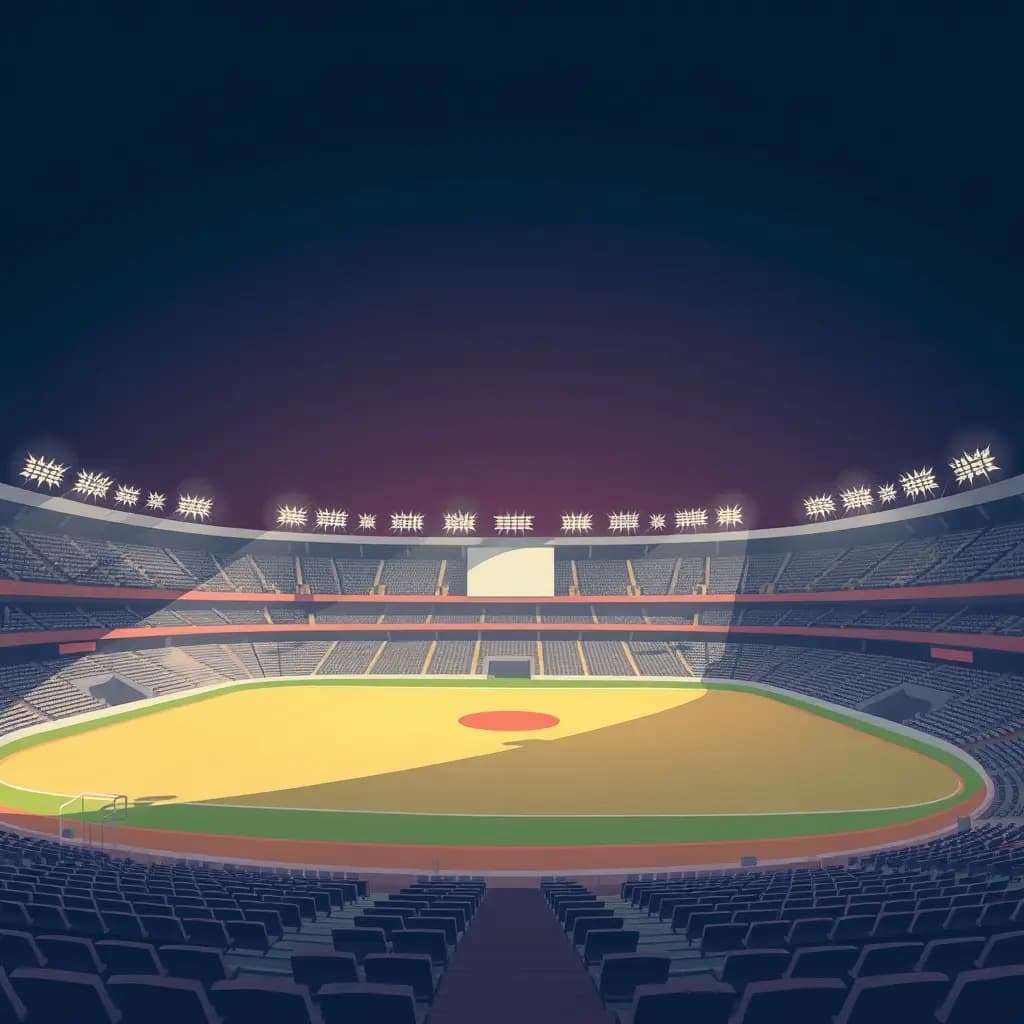
You push through the turnstiles at dusk and step into a stadium that looks ready for a big game: banners flapping, concession stands closed, the scoreboard glowing zeros. The stands are entirely empty and your footsteps echo across wet turf. You hold a program or a crumpled ticket, searching for familiar faces who aren’t there; your chest tightens with a mixture of disappointment and strange relief. The scene feels charged — a public moment canceled, postponed, or quietly dissolved.
Main interpretation
An empty stadium most directly points to visibility — questions about who is watching, who applauds, and whether your efforts land where you expected. If you’ve recently prepared for a presentation, audition, or promotion, the dream can signal doubts about audience response or the absence of recognition. It can also indicate relief at escaping scrutiny or a sense that a hoped-for public moment didn’t materialize. Practically, it invites you to assess which audiences matter and how much your sense of worth depends on external validation.
Three common meanings
Performance and public image. An empty stadium can reflect anxiety about a role where you expected spectators — an audition, a keynote, a promotion. You may be rehearsing a speech or project in waking life and feel suddenly unsure whether your work will be noticed. The emptiness highlights fear of being overlooked or judged; alternatively, it can signal a private wish to escape scrutiny and perform without pressure.
Loneliness and social distance. When social networks shift or friendships cool, the stadium becomes a metaphor for missing people. Empty seats stand in for absent friends, family at a milestone, or colleagues who didn’t show up. The scene often carries a twinge of grief or social embarrassment — you expected a crowd and didn’t get one — and can prompt questions about belonging and where you invest social energy.
Transition, endings, and blank stages. An emptied venue frequently represents an ending or a pause: a project completed, a chapter closed, or a planned event deferred. That silence can be sad, but it can also feel like a blank stage — unassigned, quiet, ready for a new direction. In that sense the dream may invite you to rebuild expectations, reframe goals, or appreciate the freedom that follows an ending.
What this dream is not literally saying
This dream is rarely a literal prediction about a canceled event or imminent public failure. It does not usually forecast specific real-world cancellations or exact outcomes. Instead, the image functions symbolically to underline feelings of disappointment, relief, or transition — emotional states rather than concrete prophecies.
Specific details people often mention
Interestingly, people often remember a lone microphone on a rain-darkened turf, a locked tunnel gate, rows of blue vinyl seats, the distant echo of a PA system, a rusty scoreboard frozen at zeros, or the sudden racing of the dreamer’s heart and cold sweat.
What it can reflect emotionally
From a modern, non-medical viewpoint, an empty stadium can reflect social-evaluative concerns and self-focused attention. It often arises when people mentally rehearse performances, compare themselves to peers, or face ambiguous social feedback. The image can be a cognitive cue to examine where you seek approval, how you cope with audience absence, and whether avoidance or relief shows up alongside anxiety. Therapist-style questions to try include: which audiences occupy your mind, and how would you behave if no one was watching?
Why recurring versions matter
Recurring empty-stadium dreams deserve attention when they coincide with life transitions, ongoing stress, or unresolved fear of exposure. If the image repeats before job interviews, major presentations, or relationship milestones, it can signal chronic worries about being seen or about absent support. Persistent dreams may point to a deeper pattern: relying heavily on external validation, avoiding public roles, or grieving social change. Noticing timing and triggers helps decide whether to make practical changes — rehearse more, seek feedback, or cultivate private sources of meaning.
Common questions
Is this about money?
Is this about money? Usually not directly. An empty stadium more often points to recognition, status, or missed opportunities; if finances are at stake (e.g., a canceled fundraiser or gig), the dream might highlight economic anxieties tied to public approval.
Is it related to stress?
Is it related to stress? Yes, it commonly reflects stress around evaluation, performance, or social expectations. The silence can mirror anticipatory anxiety, relief from pressure, or exhaustion after a period of high demand.
Is this about relationships?
Is this about relationships? Sometimes. Empty seats frequently symbolize missing people or social distance — feeling unseen by friends, family, or colleagues — and can prompt questions about belonging and support.
Related dream meanings
Dreams about empty stadium are often connected to Forgetting Equipment, Public Performance Failure, and Voice Failing When Announcing Score. Looking at those nearby themes can help you compare control, fear, pressure, or change across similar dream scenes. You may also want to compare it with Competing Against an Invisible Opponent if the same mood or conflict keeps showing up.