Dream About Elderly Person – Meaning
Category: People
What this dream usually means
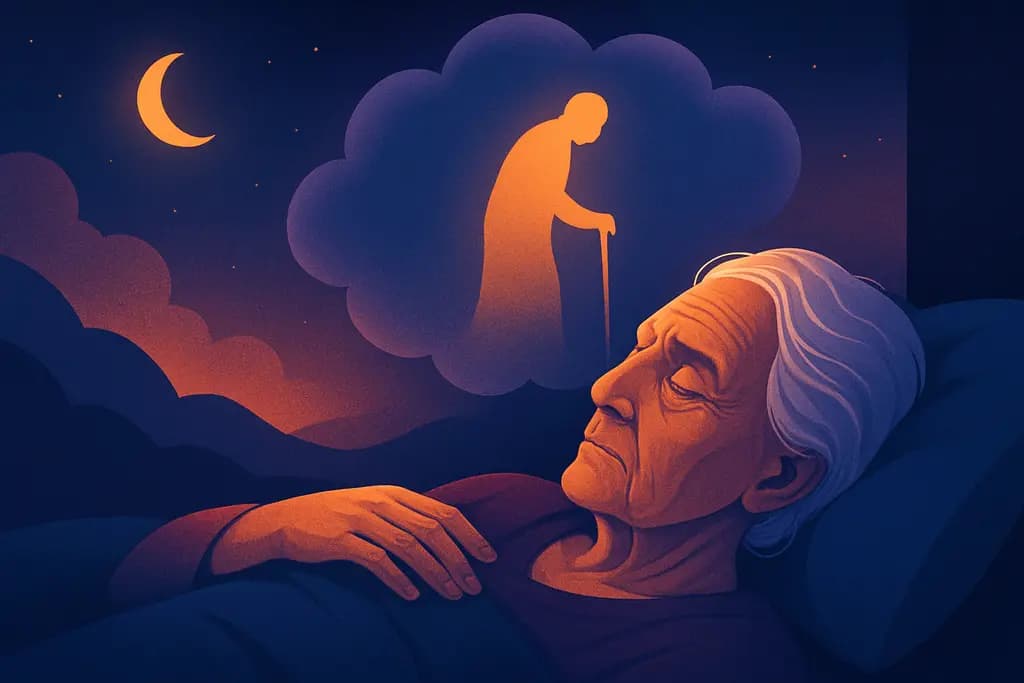
This dream usually means a negotiation with time and guidance: the elderly figure often represents accumulated experience, family expectations, or your sense of future self. If the elder comforts you or offers advice, the dream can reflect a readiness to accept a lesson; if they scold or disappear, it may signal guilt about inherited obligations or anxiety about getting older. Interestingly, a vivid physical detail — the way they move, the scent of their clothing, a repeated phrase — often points to a concrete message your mind keeps returning to.
What your mind may be processing
From a contemporary psychological angle, the elderly figure often functions as an internal symbol: a repository of memory, social norms, or long-term goals. Concrete events in the dream — being handed a letter, being led into a room, or being asked a favor — connect the symbol to a present life situation, like eldercare decisions, career milestones, or family disputes. Emotions such as relief, shame, or impatience reveal which internal voice is speaking: the critical parent, the prudent advisor, or the anxious future-self.
How this dream can be interpreted
Family roles and inherited patterns. An elderly person who looks like a relative can point to family roles you’ve absorbed: caretaker expectations, unspoken rules, or repeating relationship dynamics. If they ask you to perform a familiar task, consider whether you’re following an inherited pattern without choosing it. Strong guilt or resignation in the scene often marks duties you feel obliged to carry.
Personal aging and future self. When the elder feels like a version of you — older, slower, quieter — the dream may be about your fears or hopes regarding aging, health, or accomplishment. Practical details such as a calendar, a mirror, or a doctor’s office push the meaning toward planning and mortality; calm, accepting interactions can indicate readiness to grow into that future.
Guidance, missed advice, or unresolved conversation. If the elder offers specific advice or repeats a phrase, the dream can be your mind rehearsing guidance you need now. A scene where you can’t hear them or they vanish mid-sentence often highlights unresolved conversations or missed support—an emotional gap you may be trying to fill in waking life.
What this dream is rarely about
This dream is rarely a literal prediction about someone’s health or lifespan; it does not usually work as a direct forecast. Instead, it more often maps emotional dynamics — obligation, respect, regret — than real-world events. Treat it as symbolic communication rather than a factual timeline of future incidents.
Unusual details people report
People often report small, specific images: an old coat draped over a chair, a ticking clock on the wall, a cane tapping in rhythm, rain streaking down a hospital window, or the smell of liniment and tea. Some wake with a physical reaction like tightened throat or a lingering sense of being led down a long corridor.
When this dream deserves attention
This dream deserves attention when it recurs, arrives during life transitions (care decisions, retirement, major moves), or triggers strong waking emotions like persistent guilt, sorrow, or relief. Pay closer attention if the same phrase or image repeats: that repetition often points to an unresolved issue or a decision you’re postponing. If the dream accompanies mounting stress about caregiving, financial planning, or identity shifts, it’s flagging a practical area that needs action, not just reflection.
Symbolic meaning across traditions
Meanings vary widely across cultures. In many Western contexts elders symbolize wisdom or unresolved family roles; in East Asian traditions an older ancestor may be read as a call to filial duty or ancestral communication. Indigenous and African traditions often see elders as holders of communal knowledge or spiritual guardians. Always weigh cultural background — your own and the dream’s symbolic language — before settling on a single reading.
Frequently asked questions
Why does this dream repeat?
Why does this dream repeat?: It repeats when your mind returns to an unresolved relationship, a postponed decision about caregiving or retirement, or a persistent internal voice. Repetition often signals unfinished emotional business rather than random imagery.
Can this dream be positive?
Can this dream be positive?: Yes. If the elder is calm, helpful, or proud, the dream can indicate acceptance, new perspective, or a readiness to adopt wiser habits. Positive tone and clear advice point toward constructive change.
Is it related to stress?
Is it related to stress?: Often. High stress about family duties, aging, or a looming life transition commonly triggers these dreams, but so can quiet reflection on legacy or values—stress is one common trigger, not the only one.
Dream meanings connected to this one
If this dream keeps returning, pages about Stranger (Unknown Person), A historical figure, and A political leader can reveal the related patterns underneath it. They often overlap around insecurity, transition, or stress in everyday life. You may also want to compare it with A stranger who remembers your name if the same mood or conflict keeps showing up.