Dream About Drowning and gasping for air – Meaning
Category: Body & Health
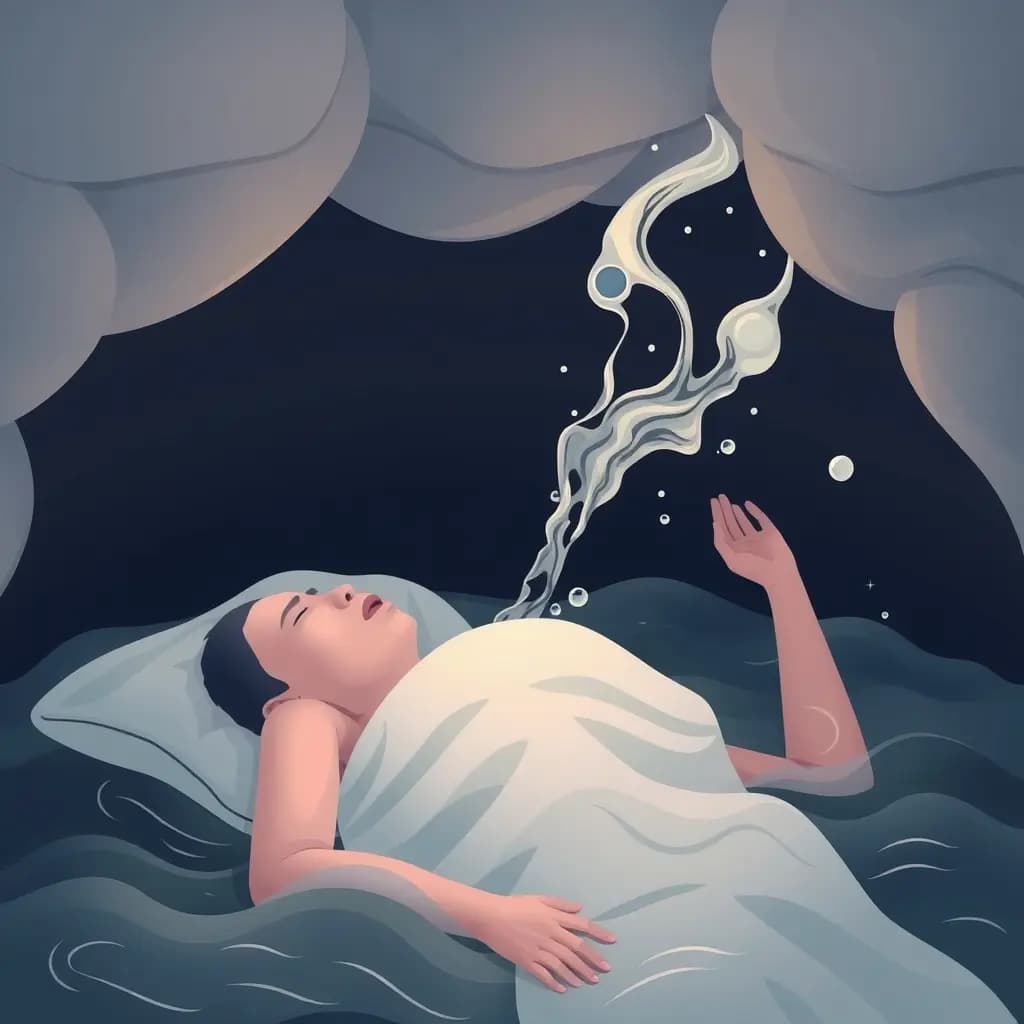
Dreaming about drowning and gasping for air often mirrors a real sense of being overwhelmed — by emotions, responsibilities, or physical sensations. These dreams can feel terrifying and immediate, and their meaning depends strongly on how you felt in the dream and what was happening around you. Context, bodily sensations, and waking-life stressors shape a clearer interpretation.
General meaning of dreaming about Drowning and gasping for air
Drowning in a dream commonly symbolizes overwhelm: emotions rising higher than you can manage or situations where you feel submerged. Gasping for air adds a visceral, bodily edge — it points to struggles with breathing, control, or the need for relief and space. Taken together, the image usually highlights a pressure point where inner emotional tides meet physical limits.
Typical interpretations focus on being overpowered by feelings, lacking control, or experiencing urgent need for change. These dreams can occur during times of high stress, major life transitions, or when you are avoiding confronting painful feelings.
- Emotional overload: feelings you haven't processed can feel like water pulling you down.
- Loss of control: gasping suggests difficulty regaining footing or agency.
- Physical connection: breathing struggles in dreams may echo real-life health anxiety or sleep disturbances.
- Warning to act: the intensity often nudges you to address a problem before it worsens.
Spiritual meaning of Drowning and gasping for air in dreams
Spiritually, water often represents the unconscious, emotions, or the flow of life energy. Drowning can therefore indicate a spiritual purification process or a call to reassess how you relate to your inner world. Gasping for air may symbolize a need to reconnect with your life force — to breathe more consciously, meditate, or clear stuck energy.
Different traditions view the image in similar ways: in some mystic paths, a drowning dream can signal a letting-go process that precedes rebirth; in energy work, it may point to blocked breathing or throat-center issues that affect expression. Keep interpretations flexible and personal: spiritual symbols are filtered through your beliefs and current inner state.
Psychological interpretation
Fear, stress or anxiety
Drowning and gasping commonly reflect acute anxiety. The sensation of not being able to breathe mirrors panic attacks or chronic stress where the nervous system is on high alert. If you wake gasping and your heart racing, the dream can be a direct replay of nighttime anxiety or unresolved daytime fears.
Relationships and emotional bonds
Water in relationships often stands for emotion. Drowning may indicate being engulfed by another person's needs, feeling smothered, or losing boundaries. Gasping for air can reveal a desire for space, independence, or the capacity to express personal needs without being overwhelmed.
Control, power or vulnerability
Struggling to breathe in a dream can highlight issues of control and vulnerability. You may feel powerless in certain life areas — work, health, or family — and the dream dramatizes that loss of agency. It can also expose underlying fears about being exposed, judged, or unable to protect yourself.
Positive meaning
- Catalyst for change: the shock of the dream can prompt needed adjustments in life habits or relationships.
- Emotional release: surfacing feelings may lead to healing once acknowledged and processed.
- Increased self-awareness: awareness of limits can motivate healthier boundaries and self-care.
- Resilience building: surviving or escaping a drowning dream can symbolize inner strength and recovery.
- Spiritual cleansing: for some, the experience marks a purification that clears space for new growth.
Negative meaning and warnings
- May suggest unresolved trauma or chronic anxiety that benefits from attention and support.
- Can indicate ongoing overwhelm that could erode wellbeing if ignored.
- May point to avoidance: ignoring emotional needs can lead to bigger problems later.
- Can indicate physical stress or poor sleep hygiene contributing to nighttime panic-like sensations.
Use cautious language: these meanings may suggest patterns but are not definitive diagnoses. If the dream recurs and deeply disturbs you, consider gentle, practical steps to explore its roots.
Common variations of dreams about Drowning and gasping for air
- Drowning in deep ocean: Often symbolizes feeling swallowed by something vast and uncontrollable, like grief or an expansive life change.
- Drowning in a bathtub or shallow water: Suggests relatively contained emotional issues that still feel suffocating — problems that may be easier to resolve than they feel.
- Gasping for air but unable to wake: Can indicate intense anxiety at a physiological level, or feeling stuck in a stressful situation you can't easily exit.
- Saving someone from drowning: May reflect your role as emotional rescuer for others and a need to protect them without losing yourself.
- Being submerged but calm: Could point to unconscious acceptance or peaceful surrender — a phase of processing rather than panic.
- Waking up choking or gasping: Often linked to sleep-related breathing disturbances or nocturnal panic; it can also emphasize urgency in addressing daytime stressors.
- Watching others drown: May suggest feelings of helplessness watching someone else's struggles, or guilt about not intervening.
What to do after such a dream
- Reflect on recent stressors and emotions: journal details of the dream and what was happening in your life that week.
- Check your physical state: note sleep quality, caffeine or alcohol use, and whether you experienced real breathlessness on waking (without offering medical advice).
- Talk it through: discussing the dream with a trusted friend or therapist can reveal connections to relationships or stress.
- Set small, practical changes: practice breathing exercises, create clearer boundaries, and prioritize rest to reduce daily overwhelm.
- Use the dream as information, not judgment: let it guide gentle action toward emotional processing, support, and self-care.