Dream About Dream of extreme anxiety – Meaning
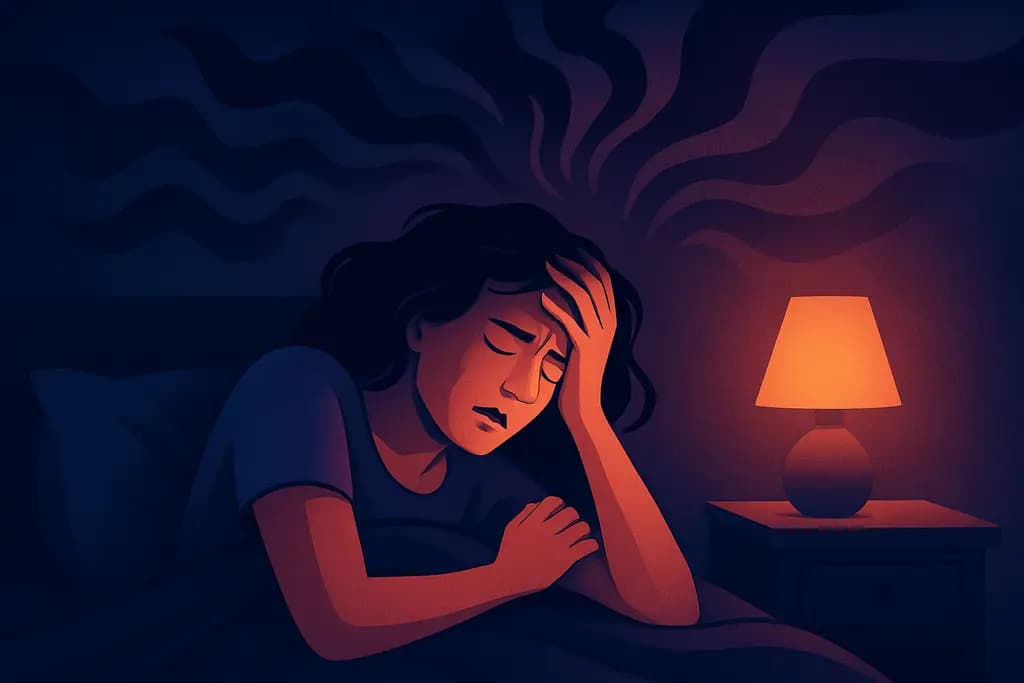
Category: Feelings
Dreams of extreme anxiety often arrive with an urgent, overwhelming feeling that lingers after waking. These dreams usually reflect pressure, unresolved worries, or a sense that something important is out of control. The precise meaning depends heavily on the emotions you felt in the dream and the surrounding context.
General meaning of dreaming about Dream of extreme anxiety
At its core, a dream of extreme anxiety signals heightened emotional arousal—your mind calling attention to stressors you may be avoiding or underestimating. Such dreams don't predict events so much as highlight inner states: fear, anticipation, and the need to take stock. They can surface when life demands a decision, when responsibilities feel too large, or when your coping resources are stretched thin.
Common interpretations include feeling unprepared, fearing loss of control, or sensing a threat to identity or relationships. Context matters: anxiety centered on work points toward performance pressure, while anxiety about relationships points toward attachment worries.
- Mounting pressure or overwhelm
- Anticipation of a difficult event or decision
- Fear of failure, rejection, or loss
- A signal to process unresolved emotions
Spiritual meaning of Dream of extreme anxiety in dreams
Spiritually, extreme anxiety in dreams can be seen as energetic imbalance—too much tension in the mind or subtle body that wants release. Many traditions interpret intense dreaming as a cleansing or wake-up call from the soul to realign priorities.
In Eastern approaches (like some Buddhist interpretations) such dreams may point to attachment and clinging; in shamanic or indigenous frameworks they might be viewed as messages to restore harmony, slow down, and attend to inner guidance. Across traditions the common thread is: anxiety dreams ask you to pay attention, heal, and re-center.
Psychological interpretation
Fear, stress or anxiety
Psychologically, these dreams often mirror chronic stress or acute panic. They can be a rehearsal of feared outcomes (catastrophizing), or a way for the subconscious to ventilate emotions you suppress during waking hours. Nighttime amplification may make small worries feel enormous, revealing what you truly fear.
Relationships and emotional bonds
When anxiety in a dream is linked to interactions—arguing, abandonment, or betrayal—it often reflects attachment concerns. You might fear losing someone, feel insecure in a bond, or doubt your ability to express needs. These dreams spotlight emotional patterns that need honest communication or boundary work.
Control, power or vulnerability
Dreams of extreme anxiety can point to struggles over control: at work, in family dynamics, or within yourself. Feeling powerless in the dream may mirror a waking sense of helplessness; alternatively, it can be a prompt to reclaim agency by setting limits, asking for help, or making concrete plans.
Positive meaning
- An early warning system: prompts you to address small issues before they grow.
- Catalyst for change: anxiety dreams can motivate decisions you have been postponing.
- Emotional clearing: a chance to process suppressed feelings and release tension.
- Increased self-awareness: teaches you about triggers, limits, and personal values.
- Growth opportunity: facing the themes of the dream can strengthen resilience and coping skills.
Negative meaning and warnings
- May suggest chronic stress that needs attention, as repeated intensity can erode well-being.
- Can indicate unresolved trauma or persistent fear that may require deeper work.
- May point to avoidance: ignoring responsibilities or difficult conversations can escalate the anxiety.
- Can indicate burnout risk when dreams cluster around work, deadlines, or constant pressure.
Common variations of dreams about Dream of extreme anxiety
- Panic attack in a dream: You experience physical panic symptoms while asleep; this may reflect unprocessed panic or a recent stressful trigger that your body is replaying.
- Being paralyzed or unable to move: Feeling frozen often symbolizes helplessness or indecision in waking life, especially when a choice or confrontation is avoided.
- Overwhelmed at work/school: Dreams of missed deadlines, failing exams, or being unprepared can point to performance pressure and fear of judgment.
- Social or public speaking anxiety: Embarrassment or humiliation scenarios highlight fears about how others perceive you and may signal low confidence in social roles.
- Fear of abandonment or loss: Dreams where loved ones leave or disappear reflect attachment insecurity or worry about relationship stability.
- Recurring dread with no clear cause: Repetition may mean a persistent background stressor—financial, relational, or existential—that needs addressing.
- Waking up gasping or shaking: Physical manifestations in the dream often mirror intense autonomic arousal; they prompt you to check sleep patterns, stress levels, and coping routines.
- Waiting for bad news: Anticipatory anxiety scenarios reveal dread about unknown outcomes and a tendency to expect worst-case scenarios.
What to do after such a dream
- Reflect on the emotions: write down what you felt in the dream and any images or phrases that stood out.
- Map to your life: ask which areas—work, relationships, health, finances—match those feelings.
- Identify triggers: note recent events or long-term pressures that could be feeding the dream.
- Take practical steps: make a small plan to address one stressor (set boundaries, schedule a conversation, prioritize rest).
- Use calming rituals: breathing exercises, grounding, or journaling before bed can reduce nighttime intensity.
- Track patterns: if the dream recurs, keep a short dream log to spot patterns and guide change.
- Seek supportive conversation: share the dream with a trusted friend or counselor to gain perspective and emotional relief.
Remember: an extreme-anxiety dream is an invitation to listen to yourself. It points toward areas that need care, not a fixed fate. Gentle attention and concrete steps often reduce both the dream frequency and the waking anxiety that fuels it.