Dream About dream about shadow acting on its own – Meaning
Category: Spiritual & Symbolic
Dreams in which your shadow acts independently often point to hidden, active parts of your inner world. Such a dream can feel eerie or liberating depending on the scene; its meaning shifts with the emotions you experienced and the specific context.
General meaning of dreaming about dream about shadow acting on its own
At its core, a shadow moving on its own symbolizes elements of the unconscious gaining mobility or influence. This can mean repressed feelings, unattended instincts, or parts of your personality that have been ignored are now expressing themselves without your conscious permission.
Typical interpretations center on the idea of emergence and separation: something that was once fused with your conscious identity is now acting independently. Whether the action feels hostile, playful, or neutral matters: a threatening shadow often points to unresolved fear, while a calm, autonomous shadow can signal newly discovered strengths.
- Repressed emotions surfacing
- Unacknowledged instincts or impulses
- Parts of the self seeking recognition or integration
- Hidden creativity or intuition becoming active
Spiritual meaning of dream about shadow acting on its own in dreams
Spiritually, an autonomous shadow is often read as a call to inner integration or energetic realignment. Many spiritual traditions view the shadow as the portion of the soul that holds what is denied, and its independent movement suggests that those contents want attention and healing.
Different systems emphasize different aspects—Jungian-influenced spirituality frames this as shadow work, while some shamanic views might see the shadow as a displaced spirit fragment or guide. Universally, the theme invites curiosity rather than condemnation: it asks you to listen and bring balance between light and dark within.
Psychological interpretation
Fear, stress or anxiety
When anxiety is high, a self-directed shadow can represent fears that feel uncontrollable. The dream may mirror moments where worries act up without clear triggers, or where anxiety seems to dictate your behavior.
Relationships and emotional bonds
In relational terms, an autonomous shadow can point to parts of yourself that affect your relationships without your awareness—traits you project onto others, or emotional patterns that repeat and influence intimacy.
Control, power or vulnerability
A shadow moving on its own can emphasize feelings about control. If the shadow dominates the scene, you might feel vulnerable or disempowered in waking life; if you observe it calmly, you may be discovering a new source of personal power that operates subtly.
Positive meaning
- Awakening of buried talents or intuition
- Opportunity for personal growth and integration
- Increased self-awareness and emotional honesty
- Creative impulses surfacing and bringing new opportunities
- A gentle nudge toward healing old wounds and reclaiming lost parts of self
Negative meaning and warnings
- May suggest unresolved trauma or persistent anxiety that needs attention
- Can indicate avoidance: parts of your life being neglected or denied
- Might point to manipulation or hidden motives in others if the shadow feels external
- Can indicate internal conflict that, if ignored, may lead to stress or relationship strain
Common variations of dreams about dream about shadow acting on its own
- black shadow acting on its own: Often tied to fear, grief or intense repression; a black shadow may feel threatening and point to deep, unresolved emotions.
- white shadow acting on its own dream meaning: A lighter or white shadow can symbolize emergence of previously hidden clarity, spiritual insight, or compassionate aspects of the self.
- shadow acting on its own chasing me: When the shadow chases you, it may reflect avoidance—you're running from an inner truth or emotion that wants to be acknowledged.
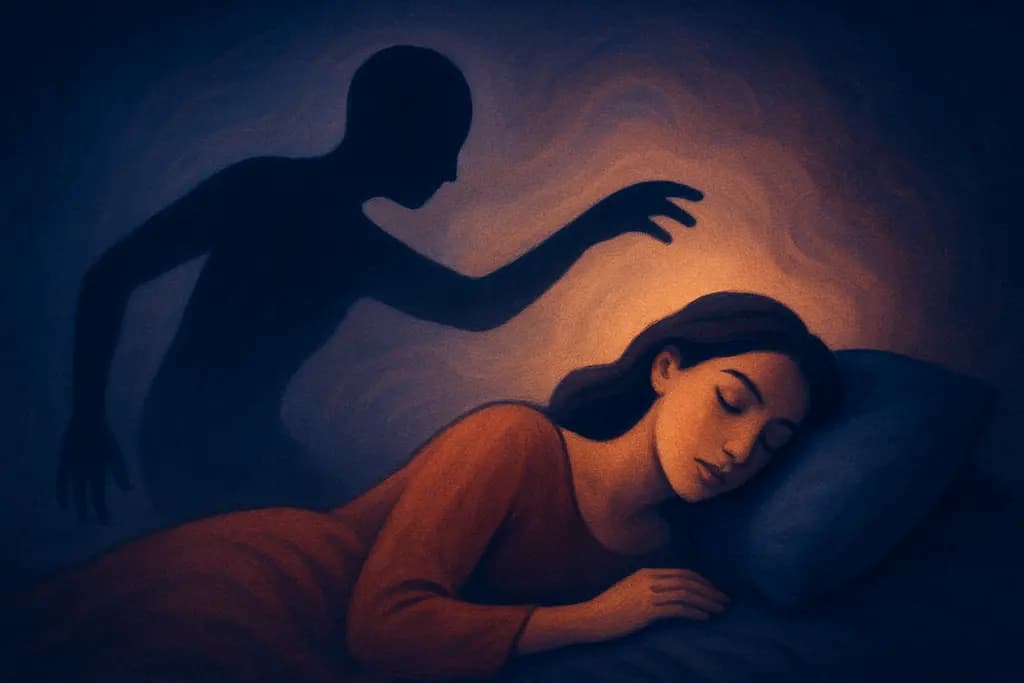
- shadow acting on its own attacking me in bed: A shadow attacking in a private space like bed may highlight vulnerability in intimate relationships or fears that surface when you are most exposed.
- shadow acting on its own in water: A shadow moving in water often relates to emotions: submerged feelings are moving independently, suggesting emotional material is shifting beneath conscious awareness.
What to do after such a dream
- Reflect on the emotions you felt during the dream: fear, curiosity, relief, anger? Those feelings are key to interpretation.
- Journal the dream details and any waking-life triggers you can identify: recent conflicts, decisions, losses, or surprises.
- Look at your current life situation: work stress, relationship dynamics, and major changes can all prompt shadow activity.
- Consider how your relationships or boundaries might be influencing the dream: are you suppressing needs or projecting blame?
- Use practical grounding: breathing, light exercise, and time outdoors can help you feel more centered after a disturbing dream.
- Express what surfaced in a safe way—talk with a trusted friend, create art, or set small, concrete steps to address what came up.
- If the dream repeats or disrupts daily life, you may want to seek support from a qualified counselor or therapist to explore patterns more deeply.