Dream About dream about being late for work – Meaning
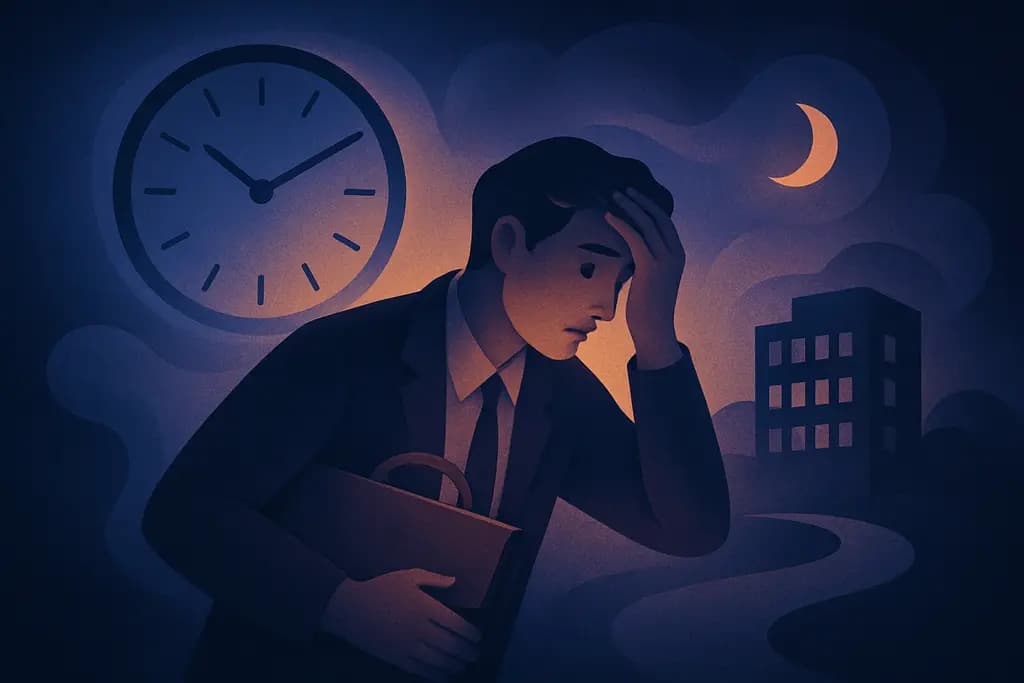
Category: Events & Situations
Dreaming about being late for work often reflects pressure around responsibilities, deadlines, and how you value your time. These dreams are common and their meaning depends heavily on the feelings you experience in the dream and the waking context of your life. Pay attention to whether you feel panic, relief, shame, or apathy — each emotion shifts the interpretation.
General meaning of dreaming about dream about being late for work
At its core, a dream about being late for work symbolizes concerns about performance, reputation, and time management. Work in dreams frequently stands in for outer responsibilities or inner expectations; being late highlights a perceived mismatch between what you think you should accomplish and what you actually manage to do.
Such dreams often point to internal pressure — either self-imposed or coming from others — and a fear of negative consequences for missing a mark. They can also signal transitions: you might be entering a phase where choices feel hurried or you are recalibrating priorities.
- Fear of failure or missing opportunities
- Stress about deadlines, reputation, or obligations
- Feeling unprepared or out of sync with life changes
- A call to re-evaluate time use and priorities
Spiritual meaning of dream about being late for work in dreams
Spiritually, dreams about being late for work can reflect an energetic misalignment between your outer life and inner purpose. Some traditions read lateness as a sign you are resisting a life lesson or spiritual timetable — not that the universe is punishing you, but that you may be reluctant to step into a next stage.
Across cultures, lateness in a dream can indicate a need to slow down and realign with your intuition, or conversely, a prompt to wake up to opportunities you have been neglecting. The emotional tone of the dream guides whether the message is corrective, comforting, or cautionary.
Psychological interpretation
Fear, stress or anxiety
This dream often mirrors waking anxiety: worry about performance, being judged, or missing an important chance. If you wake with racing thoughts or adrenaline, your psyche is likely processing stressors like a heavy workload, looming deadlines, or perfectionist standards.
Relationships and emotional bonds
Being late for work can also symbolically point to relationships. Work may represent commitments to others; lateness may indicate guilt about not being present for someone, or fear that you are letting people down. The dream can reveal tension between personal life and obligations to partners, family, or colleagues.
Control, power or vulnerability
Dreaming of lateness can reflect struggles around control. You may feel powerless amid changing circumstances, or vulnerable because you cannot guarantee outcomes. Alternatively, it can be a healthy recognition of limits: accepting you cannot control every detail and learning to delegate or ask for help.
Positive meaning
- A wake-up call to prioritize what truly matters and to make necessary changes
- Opportunity to develop better time-management and boundary-setting skills
- Indicator of personal growth: recognizing stress lets you take steps toward balance
- Invitation to release perfectionism and accept realistic expectations
- Potential for new choices: missing one path can open another, sometimes better, route
Negative meaning and warnings
- May suggest chronic stress or burnout if the dream is frequent and highly distressing
- Can indicate avoidance of important decisions or procrastination
- Might signal fear of judgment, reputational damage, or real consequences at work
- Can indicate that personal needs are repeatedly sacrificed for obligations
Common variations of dreams about dream about being late for work
- dream about being late to work: Typically highlights general anxiety about obligations and fear of being judged; timing and outcome in the dream refine the meaning.
- being late to work dream meaning: Often points to concerns about preparedness or a need to reorganize priorities and daily routines.
- being late to work and missing the bus dream: Suggests feeling blocked by external circumstances and worries about lost opportunities beyond your control.
- being late to work in my pajamas dream: Reflects vulnerability or fear of being seen as unprepared; may point to shame about not meeting social or professional expectations.
- being late to work naked dream meaning: Emphasizes exposure and embarrassment; you may fear being emotionally or practically unprepared in a way that reveals perceived flaws.
- being late to work chased by my boss dream: Highlights pressure from authority figures and fear of punishment or criticism; may mirror a tense relationship with a supervisor.
- many people being late to work dream: Suggests collective anxiety or concern that a whole group is unprepared; can mirror social pressure or a work team under strain.
- black car making me late to work dream: The black car can symbolize an obstacle or unexpected problem delaying you; it may represent a specific person, project, or event causing frustration.
- two people being late to work dream: Points to shared responsibility or mutual avoidance; it can indicate that you and another person are negotiating timing, commitments, or accountability.
What to do after such a dream
- Reflect on the emotions you felt in the dream and upon waking — panic, relief, shame, or indifference all point to different issues.
- Look at your current life situation: deadlines, workload, family obligations, and sleep or health habits that affect performance.
- Consider relationships and whether guilt or fear about letting others down is at play; have candid conversations if needed.
- Reassess priorities and create small, concrete steps to manage time better: lists, buffers, delegation, and realistic scheduling.
- Use calming practices after a distressing dream: deep breathing, journaling about the dream to externalize worries, or talking it through with a trusted friend.
- Treat the dream as information, not prophecy: it highlights feelings and patterns you can address, not fixed outcomes.