Dream About Deceased relative visit – Meaning
Category: People
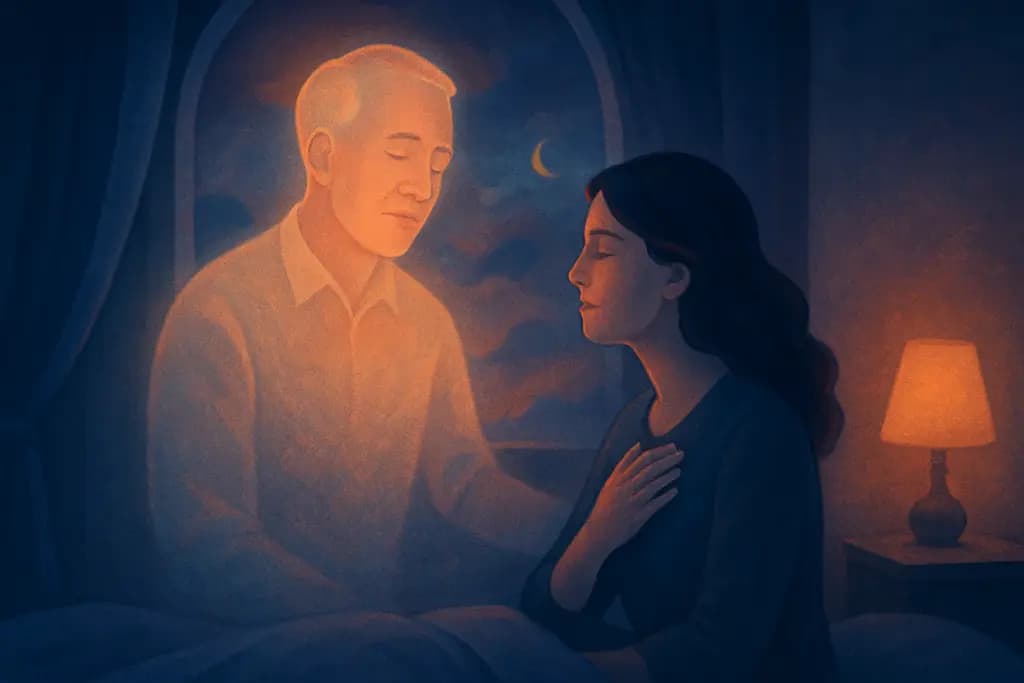
Dreaming that a deceased relative visits you often carries weight because it blends memory, emotion and meaning in a single moment. Such dreams can feel comforting, unsettling or confusing — and the interpretation depends heavily on your feelings during the dream and the life context surrounding it. Pay attention to details: the tone of the visit, what is said, and where it happens.
General meaning of dreaming about Deceased relative visit
At its core, a dream in which a deceased relative visits you is usually about connection — to the person who died, to your past, and to feelings that still live inside you. These dreams commonly surface when there are unresolved emotions, recent reminders of that person, or times of transition in your own life. The visit can function as a symbolic conversation: a chance to say what was left unsaid, to receive comfort, or to reframe memories.
Because the meaning changes with context, the same scene can mean different things depending on whether the encounter felt peaceful, accusatory, or neutral. For many people it is a form of inner processing, but some interpret these visits as spiritual contact or a prompt to act in waking life.
Key meanings often include:
- Closure and unresolved grief: processing loss or unfinished business
- Comfort and reassurance: feeling cared for despite the absence
- Guilt or regret: unresolved conflicts or apologies needing attention
- Guidance or warning: an inner sense of direction framed as the relative's presence
- Memory and identity: connecting current life choices to family legacy
Spiritual meaning of Deceased relative visit in dreams
Spiritually, visits from deceased relatives are often read as signs that the boundary between the visible and invisible is momentarily porous. Many traditions interpret such dreams as ancestral messages, protection from a loved one, or an invitation to honor family history. While interpretations vary by culture, common themes include continuity of the soul, communication beyond death, and the idea that relatives can offer comfort or counsel from the other side.
Keep the interpretation flexible: for some people the dream is literally a spiritual encounter; for others it is symbolic language produced by the psyche. Either way, the spiritual framing helps many find meaning and ritual ways to respond — such as prayer, lighting a candle, or an intentional remembrance.
Psychological interpretation
Fear, stress or anxiety
When you feel anxious or threatened in waking life, a deceased relative may appear in dreams as a figure who reflects those fears. This can be a way your mind externalizes stressors: perhaps the relative was associated with a time when you felt insecure, or their presence represents current worries about mortality, responsibility, or loss.
Relationships and emotional bonds
Dream visits often mirror the ongoing emotional bond you still hold with that person. If the relationship was loving, the dream may bring warmth or longing. If it was conflicted, the visit may surface guilt, anger, or the need for reconciliation — essentially urging you to process unfinished emotional business.
Control, power or vulnerability
A deceased relative's visit can also highlight dynamics of control and power. If the relative in your dream is commanding or critical, this may point to feelings of vulnerability, pressure from family expectations, or internalized voices from your upbringing. If they are calm and supportive, the dream may reflect an emerging sense of inner strength or acceptance.
Positive meaning
- Healing and closure: may signal progress in grieving and emotional repair
- Guidance and clarity: can bring insight or direction during change
- Comfort and presence: a source of solace when you feel alone
- Inspiration and legacy: renewed sense of purpose tied to family values
- Reconnection: permission to remember and celebrate the person's life
Negative meaning and warnings
- May suggest unresolved guilt or shame related to the person, indicating a need to address those feelings
- Can indicate avoidance of grief — a reminder to process loss rather than suppress it
- May point to ongoing family tension or obligations that need boundaries
- Could indicate anxiety about decisions tied to the deceased (estate, caretaking, roles) and the need for practical review
Common variations of dreams about Deceased relative visit
- Friendly visit from a deceased relative: The encounter feels warm and nurturing, often interpreted as comfort, affirmation, or a sign you are moving toward emotional healing.
- Angry or accusing deceased relative: The relative scolds or blames you; this usually highlights unresolved guilt or internalized criticism rather than a literal reproach.
- Deceased relative speaks a clear message: When the relative delivers advice or a phrase that sticks, treat it as symbolic guidance that reflects your inner priorities or a new insight.
- Multiple deceased relatives visit together: A group visit can symbolize family legacy, collective memories, or pressures and expectations inherited from your family circle.
- Visiting in the deceased relative's home: The setting tied to that person often emphasizes the past, nostalgia, or the specific memories and roles associated with them.
- Deceased relative appears younger or healthier: This can represent your wish to return to earlier times or to remember the person as they once were, focusing on life rather than decline.
- The relative asks you to follow them or leave: May indicate a desire for major change or escape, or conversely a fear of letting go; consider what in your life you are being invited to release.
- Silent visit with strong emotion: Even without words, a powerful emotional tone can signal the need to attend to your inner state — grief, relief, or unresolved attachment.
What to do after such a dream
- Reflect on emotions: Journal details of the dream and how you felt during and after it.
- Note context: Consider recent events, anniversaries, or stressors that could have triggered the visit.
- Talk it over: Share the dream with a trusted friend, family member, or spiritual advisor if that feels helpful.
- Honor the memory: Small rituals (lighting a candle, visiting a grave, making a photo album) can provide closure or comfort.
- Take practical steps: If the dream points to unresolved tasks (legal, relational, or financial), make a plan to address them pragmatically.
- Seek help if persistent distress continues: If dreams cause ongoing anxiety or interfere with daily life, consider speaking with a counselor for emotional support.
Dreams of deceased relatives are rarely one-size-fits-all. Listen to the emotion behind the dream, look for personal associations, and treat the visit as a meaningful prompt to care for your inner life and relationships.