Dream About Dead relative returning – Meaning
Category: People
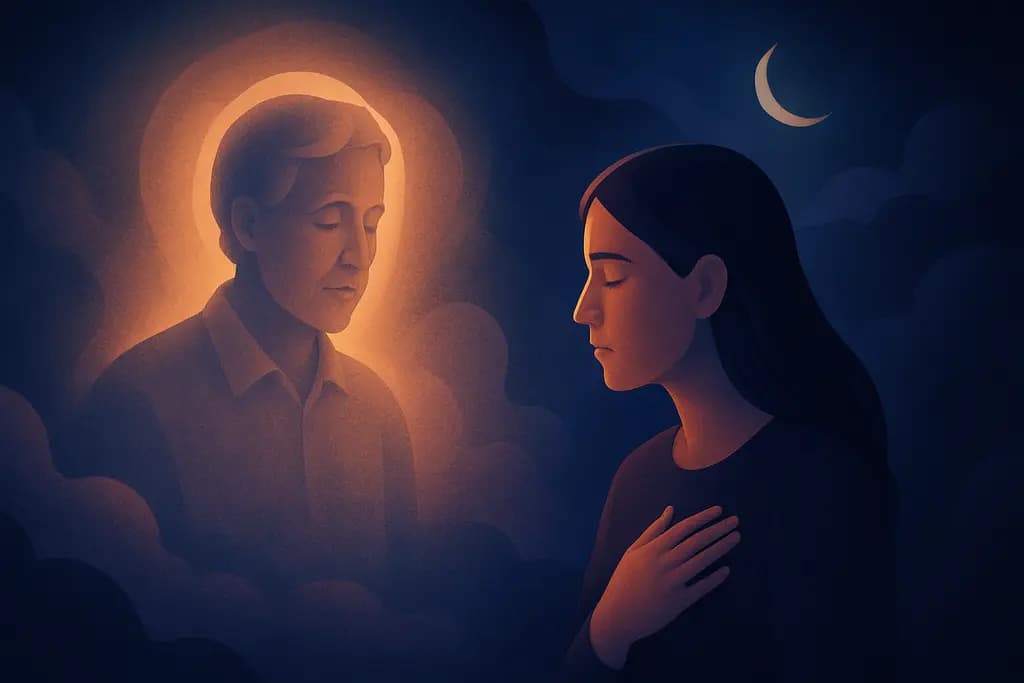
Dreaming that a dead relative returns is a powerful, emotionally charged image. It often surfaces when a relationship, memory, or unresolved feeling tied to that person is active in your life. The specific meaning depends a lot on how you felt during the dream and the scene around the appearance.
General meaning of dreaming about Dead relative returning
Dreams of a dead relative coming back commonly point to unfinished emotional business, reminders of the past, or a need for closure. At their core, these dreams bring attention to bonds that shaped you and to feelings you may still carry — love, guilt, regret, protection, or longing.
Context and emotional tone matter: a comforting return often signals healing or ongoing care, while a disturbing visit can highlight unresolved conflict or anxiety. Here are typical symbolic meanings people report:
- Reconciliation or the desire for closure with someone who influenced you greatly.
- A reminder to reconnect with parts of your identity, family values, or traditions.
- Unprocessed grief, guilt, or unfinished conversations that your mind is still trying to resolve.
- Guidance or a call to action: the dreamer may feel urged to change something in life.
Spiritual meaning of Dead relative returning in dreams
Spiritually, a returning relative can be interpreted as a visitation from the deceased, a messenger, or a sign that your spiritual life is being called to attention. Many traditions view such dreams as opportunities for comfort, guidance, or affirmation that the bond with the loved one transcends death.
Different cultures frame this differently — some see ancestral presence as protective and guiding, while others treat vivid visits as invitations to perform rituals, healing, or remembrance. Universally, the emphasis is on connection: the dream suggests continuity rather than absolute separation.
Psychological interpretation
Fear, stress or anxiety
When fear or tension dominates the dream, the returning relative may represent anxiety about mortality, change, or responsibility. The image can act as a projection of stress: worries about family expectations, past mistakes, or the pressure of carrying on a relative’s legacy.
Relationships and emotional bonds
If the dream focuses on conversation, touch, or emotional exchange, it often mirrors ongoing relational dynamics. You might be processing grief, longing for advice you never received, or rehearsing a reconciliation you wish had happened.
Control, power or vulnerability
A returned relative can highlight feelings of vulnerability or loss of control — especially if the person in the dream exerts authority or makes demands. Conversely, if you feel empowered in the dream, it can indicate reclaiming agency or receiving inner strength tied to that person’s memory.
Positive meaning
- Healing and closure: the dream can help you integrate grief and release emotional burdens.
- Guidance or reassurance: feeling comforted may suggest inner wisdom or a renewed sense of purpose.
- Reconnection with values: prompts to remember family lessons, traditions, or strengths.
- Emotional growth: facing the image of the relative may indicate readiness to move forward.
- Creativity or inspiration: some people feel motivated to act on projects the relative cared about.
Negative meaning and warnings
- May suggest unresolved guilt or unprocessed grief that benefits from attention rather than avoidance.
- Can indicate ongoing anxiety about family responsibilities, life changes, or mortality.
- Might signal that a relationship pattern is repeating and needs conscious change.
- Can indicate reluctance to let go of the past, which may hinder present opportunities.
In each case, the phrasing is tentative: these dreams can indicate concerns but do not prove any single cause. Interpretations depend on your personal history and emotional response.
Common variations of dreams about Dead relative returning
- Dead parent returning: Often centers on authority, protection, or unresolved dependency; may highlight life lessons or long-standing family expectations.
- Late spouse or partner returning: Brings up intimacy, loss, and unfinished emotional business; can be about longing or rebuilding identity after partnership.
- Talking with a dead relative: Suggests a need for advice, closure, or re-evaluating important decisions; dialogue often mirrors inner conflict.
- Dead relative appears young or healthy: May symbolize the desire to remember happier times or to see the person as they were before illness or decline.
- Dead relative asking for something: Could highlight a sense of obligation, guilt, or a real-world decision you feel pressured about.
- Dead relative warning you: Often reflects inner fears or intuition flagging potential risks rather than literal prophecy.
- Seeing a funeral reversed (relative alive at a burial): Can indicate denial, difficulty accepting change, or a wish to undo loss.
- Dead relative at your home: Suggests that family history and private emotional life are currently prominent in your inner world.
What to do after such a dream
- Reflect on your feelings: note whether the dream left you comforted, anxious, confused, or relieved.
- Journal details: write down the scene, words spoken, and emotions — these often reveal personal themes.
- Look at current life: consider relationships, recent decisions, or anniversaries that might have triggered the dream.
- Reach out if helpful: talking with a trusted friend, family member, or grief support group can provide perspective.
- Create a ritual of acknowledgment: light a candle, visit a meaningful place, or perform a small act of remembrance to process emotion.
These steps focus on emotional processing and self-understanding; they are practical responses to help you integrate whatever the dream may be highlighting.