Dream About Crippling anxiety – Meaning
Category: Feelings
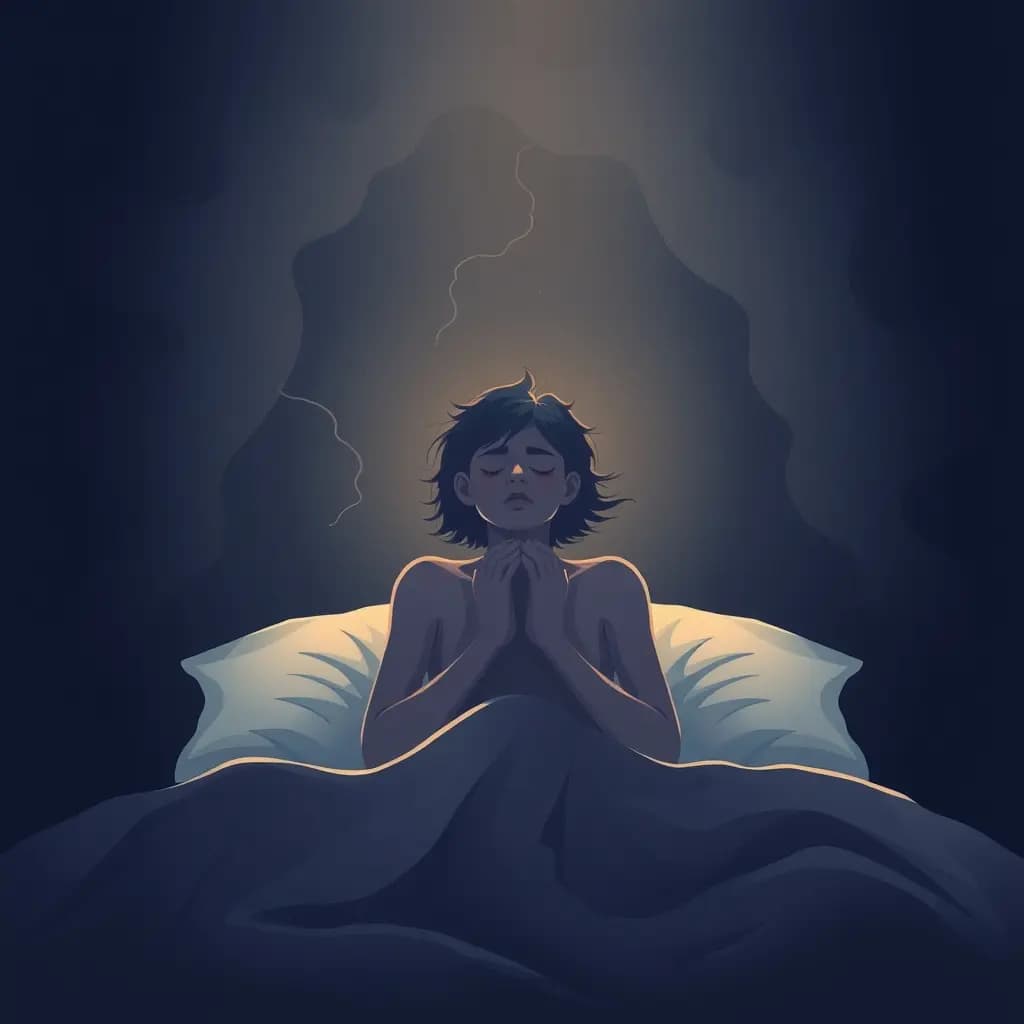
Dreaming about Crippling anxiety often feels like being overwhelmed, paralyzed, or unable to act. These dreams mirror intense internal pressure—how they read for you depends on the feelings you experienced in the dream and the life context around it. Small details (who was present, where you were, what you feared) will shift the meaning significantly.
General meaning of dreaming about Crippling anxiety
At its core, a dream of Crippling anxiety symbolizes a state of extreme worry, perceived threat, or stuckness. The dream usually points to an area of life where you feel overwhelmed or powerless, and it amplifies those emotions so your attention is drawn to them while you sleep.
Common interpretations see this symbol as an alert from your subconscious: it’s highlighting unresolved stress or a tipping point where avoidance is no longer working. It can also act as a release valve, allowing intense feelings to surface in a contained way so you can begin to process them.
- Feeling overwhelmed by responsibilities or deadlines
- Anticipatory fear about a future event (job change, exam, relationship decision)
- Internal conflict between desire and fear that prevents action
- Burnout, emotional exhaustion, or suppressed panic
Spiritual meaning of Crippling anxiety in dreams
Spiritually, Crippling anxiety can represent a blockage in your energy flow—an area where fear is clouding intuition or preventing spiritual growth. Many traditions view anxiety dreams as invitations to examine attachments, expectations, or unresolved trauma that keeps you tied to old patterns.
In mindfulness and Buddhist-influenced perspectives, such a dream might signal craving and aversion at work: clinging to security or resisting change. In more Western mystic frameworks, it can be seen as a call to reclaim personal power and clear emotional heaviness through rituals, prayer, or intentional breathwork.
Psychological interpretation
Fear, stress or anxiety
Psychologically, a dream of Crippling anxiety often mirrors waking anxiety disorders, acute stress reactions, or a period of high pressure. The dream magnifies feelings your mind may be avoiding during the day—panic, racing thoughts, or dread—so you can process them safely during REM sleep. It can be a sign that coping strategies are strained and that your nervous system needs rest or recalibration.
Relationships and emotional bonds
When the dream centers on interactions—arguments, rejection, or abandonment—Crippling anxiety may reflect insecurity in close relationships. It can reveal fear of losing someone, worry about not meeting emotional needs, or anxiety about intimacy and vulnerability. The dream asks you to notice where trust has eroded or expectations are unbalanced.
Control, power or vulnerability
These dreams often surface when control has become a central life theme. Feeling paralyzed in the dream can symbolize real-life powerlessness: at work, in family dynamics, or within yourself. The image of being unable to act points to internalized beliefs about capability and whether you permit yourself to be vulnerable or to ask for help.
Positive meaning
- A wake-up call to change unhealthy patterns; anxiety can motivate practical steps toward balance
- Increased self-awareness as suppressed feelings are brought into conscious view
- Opportunity for growth: confronting what scares you may build resilience and new coping skills
- Catalyst for self-care: the dream can prompt healthier boundaries, rest, and support-seeking
- Spiritual clearing: releasing fear may open the way for deeper trust and emotional freedom
Negative meaning and warnings
- May suggest worsening stress or burnout if current pressures are left unaddressed
- Can indicate avoidance: important decisions or conversations may be repeatedly postponed
- Might point to deteriorating mental health symptoms if dreams are frequent and intense
- Can indicate relational strain, where unresolved conflict could escalate if not managed
- May suggest that you are overburdened by expectations—personal or external—and need to reassess priorities
Common variations of dreams about Crippling anxiety
- Crippling anxiety during an exam or test: Often reflects fear of failure, perfectionism, or high self-imposed standards. It can point to worry about being judged or not meeting expectations.
- Panic or an anxiety attack in the dream: Mirrors real-life panic responses and may highlight triggers you haven’t fully processed or calming skills you want to develop.
- Feeling paralyzed by fear in a public place or at a party: Suggests social anxiety or fear of exposure; you may be worried about how others see you or about fitting in.
- Anxiety about a loved one’s safety or abandonment: Can indicate separation anxieties, caregiving stress, or insecure attachment patterns that need attention.
- Anticipatory anxiety about a future decision (moving, career change): Points to fear of uncertainty and the unknown; the dream invites you to weigh risks and values rather than avoid the choice.
- Crippling anxiety tied to health worries: Often connected to health-related fear or hypervigilance; it can reflect a need to manage worry and gather reliable information without catastrophizing.
- Feeling overwhelmed by responsibilities at work or home: Highlights overload and the possibility that tasks and obligations exceed your current capacity.
What to do after such a dream
- Reflect on emotions: write down the dream immediately and note the strongest feelings, images, and people involved.
- Look at your current life situation: identify areas causing stress—workload, relationships, finances, health worries—and list small, concrete steps to reduce pressure.
- Consider relationships and fears: ask whether any bond or expectation is making you feel powerless and whether a candid conversation or boundary could help.
- Practice grounding techniques: deep breathing, progressive muscle relaxation, or short walks can calm the nervous system after an intense dream.
- Track patterns: if these dreams repeat, keep a sleep-and-stress journal to spot triggers and link them to daily events.
- Seek supportive connection: talk with a trusted friend, mentor, or counselor to gain perspective and practical support (this is emotional support, not medical advice).
- Make one small plan: choose a single, manageable action to reduce pressure (delegate a task, set a boundary, schedule rest) and notice its effect on both dreams and waking mood.