Dream About Courtroom – Meaning
Category: Law & Authority
Main interpretation
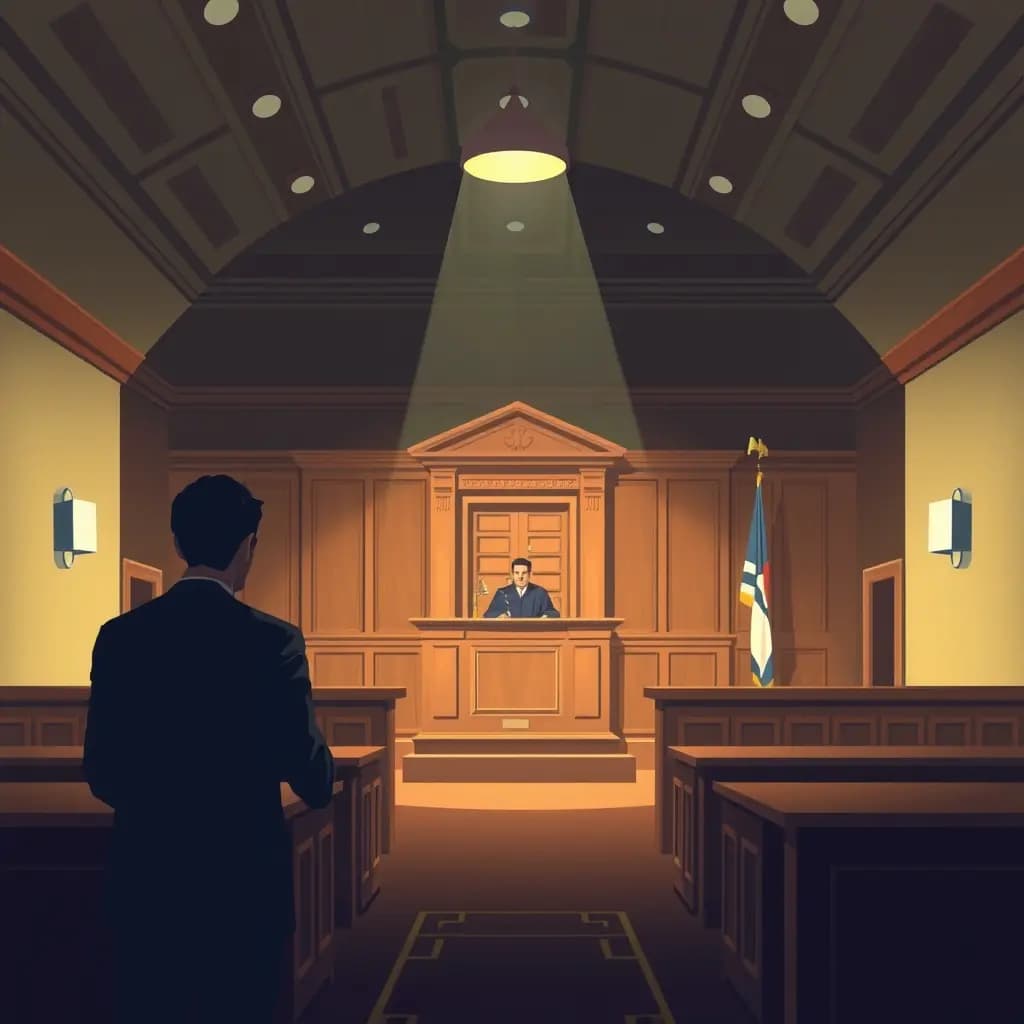
A courtroom dream commonly points to a situation where you feel judged, accountable, or on trial in waking life. It may emerge when you face an evaluation, must explain a decision, or worry that others will scrutinize your actions. This image often stands for internal moral weighing as much as external judgment—your mind staging evidence, witnesses, and a verdict to sort out fairness, guilt, or responsibility.
What your mind may be processing
From a modern, neutral vantage, courtroom dreams often process social threat and self-evaluation rather than diagnose anything. The brain uses a formal trial setting to rehearse accountability, rehearse explanations, and simulate the emotional consequences of being judged. This rehearsal can reduce anxiety by familiarizing you with potential outcomes, or it can intensify feelings of shame if unresolved issues remain.
What this dream usually does not mean
This dream rarely functions as a literal prediction of arrest, trial, or legal outcome. It does not usually work as a foretelling of specific events. Instead, the courtroom is symbolic—an arena where your worries about evaluation, reputation, or moral judgment are dramatized. Treat it as metaphor, not a news bulletin.
Three common meanings
Accountability at work or school. If you’re preparing for a review, performance presentation, or important interview, the courtroom can represent formal evaluation. The judge or panel stands for supervisors, examiners, or clients weighing your competence. Nervous speech, blanking on testimony, or pleading your case in the dream can mirror real concerns about meeting standards or defending mistakes.
Moral self-judgment. When the judge feels like your own voice, the dream may be an internal moral audit. You replay choices—how you treated someone, a secret kept, or a promise broken—and your mind stages a trial to decide whether you acted rightly. The experience can be painful yet clarifying: guilty feelings alongside a wish to make amends.
Conflict with authority or relationships. A courtroom populated by a parent, partner, or teacher points to relational power dynamics: you feel judged or dismissed by someone close. The gallery’s whispering can symbolize gossip or social pressure. The dream highlights a need to set boundaries or to anticipate confrontation and practice how you’ll respond without losing composure.
Decision-making under stress. When major life choices loom—moving, ending a job, or changing relationship status—the courtroom frames the weighing of options. Evidence, witnesses, and the waiting verdict represent pros and cons. This dream may push you to gather facts, consult trusted people, and make a considered judgment rather than rushing from anxiety.
Unusual details people report
People often report narrow aisles, a heavy oak door that won’t latch, the sharp knock of a gavel, rain streaking the courthouse window, a buzzing fluorescent light, or the metallic clink of handcuffs—sometimes your legs tremble as if you can’t stand.
When to take this dream seriously
In real life, this dream becomes especially important when it recurs, arrives during major transitions, or follows a real complaint or accusation. Recurrence can signal unresolved fear, ongoing stress, or a decision you’re postponing. Pay attention if the same defendant, judge, or verdict reappears; those repeating elements point to where to focus your practical next steps.
How different traditions interpret it
Meanings vary across traditions: some communities read courtroom dreams as karmic reckoning or moral purification, while others treat them as social warnings about reputation. Indigenous, religious, and folk perspectives offer different symbols—judges as ancestors, juries as community conscience, or courthouses as rites of passage. Recognize that cultural context shapes which detail is emphasized and that no single interpretation is universal.
FAQ
Is it related to stress?
Yes. Courtroom dreams are commonly related to stress, especially stress about evaluation, deadlines, or public reputation; they often spike around reviews, exams, or conflicts.
Why do I feel fear in this dream?
Fear in the dream usually reflects apprehension about exposure, loss of standing, or failing to meet expectations—your body reacts to social-threat scenarios even when no legal danger exists.
Can this dream be positive?
Yes. The dream can be positive when it prompts preparation, moral clarity, or the decision to take responsibility; a fair verdict or feeling of relief on waking can signal growth.
Is this dream a warning?
Sometimes—but not usually. It’s rarely a literal warning of legal trouble. More often it signals the need to address a practical or emotional situation before it escalates.
Related dreams to explore
If this dream keeps returning, pages about Police Officer, Ceremonial Robe, and Invitation can reveal the related patterns underneath it. They often overlap around insecurity, transition, or stress in everyday life. You may also want to compare it with Ruined Party if the same mood or conflict keeps showing up.