Dream About Cooking and food tasting wrong – Meaning
Category: Feelings
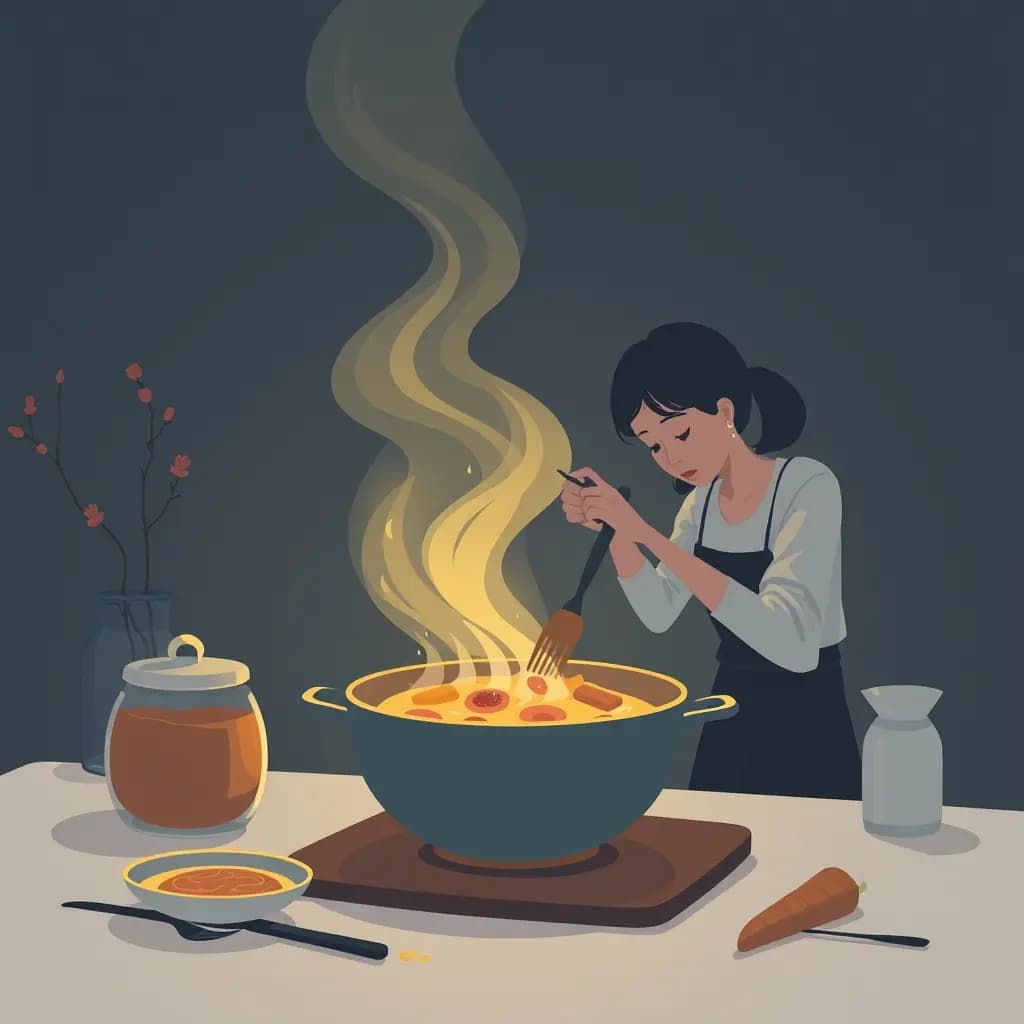
Dreaming about 'Cooking and food tasting wrong' often points to unease around nourishment, care, or how your efforts are received. These dreams highlight feelings about competence, acceptance, and whether what you offer matches your intentions. The full meaning depends heavily on the feelings you experienced in the dream and the wider life context.
General meaning of dreaming about Cooking and food tasting wrong
At its core, dreams where food you cook tastes wrong symbolize a perceived mismatch between intention and outcome. Food represents care, creativity, and sustenance; when it goes wrong in a dream, it often reflects doubts about how well you are meeting someone’s needs (including your own) or whether your efforts land as you hoped.
Context and emotion shape specifics: a frustrated cook suggests impatience or perfectionism, while disgust at taste points to deeper aversions or unmet needs. Common interpretations center on themes of competence, acceptance and emotional nourishment.
- Self-doubt about ability to nurture or provide
- Fear that your efforts will be rejected or judged
- Internal conflict between intention and result
- Need to reassess priorities, boundaries or methods
Spiritual meaning of Cooking and food tasting wrong in dreams
Spiritually, food and cooking are frequently linked to energetic nourishment — how you feed your body, mind and soul. A dish that tastes wrong can indicate an imbalance in how you are nurturing yourself or others, or that you are taking in energies that don't sit well with you.
Different traditions view this symbol with similar emphasis on alignment: many meditative paths stress mindful consumption and the quality of offerings, while some healing traditions read a bad taste as a sign to cleanse or realign the subtle body (for example harmonizing heart and solar-plexus energy centers). Universally, the message is to notice what you accept or reject energetically and why.
Psychological interpretation
Fear, stress or anxiety
A dish that tastes wrong can be an expression of anxiety about performance and outcomes. Under stress you may worry your efforts will fail or be judged; the unpleasant taste mirrors anticipatory fear, perfectionist pressure, or burnout from overextending yourself.
Relationships and emotional bonds
Cooking is a metaphor for giving and receiving in relationships. If food is rejected or tastes bad, it can reflect feeling undervalued, misunderstood, or worried that your emotional offerings—time, attention, affection—are unwelcome or insufficient.
Control, power or vulnerability
Food preparation involves control and timing. Problems while cooking can reveal struggles with control, fear of losing influence, or vulnerability about exposing your inner self. Undercooking may indicate hesitation; overcooking may point to over-managing or smothering.
Positive meaning
- Opportunity to learn and adjust: a wrong-tasting dish can prompt useful self-reflection and change.
- Creative recalibration: recognizing what feels off can lead to new methods and improved expression.
- Boundary setting: realizing some offerings aren’t right for you helps clarify limits and priorities.
- Healing and transformation: the dream can catalyze letting go of old patterns that no longer nourish.
- Increased self-awareness: noticing reactions in the dream deepens emotional insight.
Negative meaning and warnings
- May suggest unresolved self-criticism or perfectionism that undermines satisfaction.
- Can indicate fear of rejection or social anxiety about how others perceive you.
- May suggest emotional depletion or neglect of your own needs when caretaking for others.
- Can indicate miscommunication in relationships—what you offer isn’t received as intended.
- May suggest avoidance of difficult feedback or an unwillingness to change long-held habits.
Common variations of dreams about Cooking and food tasting wrong
- Tasting spoiled or rotten food: Often points to encountering toxicity in a relationship or situation that you sense is harmful and should be avoided.
- Food tastes bitter or sour: Can indicate unresolved resentment, disappointment, or a bitter experience you haven't processed.
- Food is too salty or too sweet: May reflect imbalance—either overindulgence or deprivation in emotional life, boundaries or self-care.
- Food is burnt or overcooked: Suggests overworking an idea or relationship to the point of damage; a need to step back and let things rest.
- Food is undercooked or raw: Points to immaturity or rushing a decision; something needs more time or preparation.
- Someone rejects the dish you prepared: Highlights fear of rejection or feeling unappreciated for your efforts and care.
- Others criticize your cooking or taste: Reflects sensitivity to judgment and concerns about approval or social standing.
- You can’t taste anything / food is bland: May signal emotional numbness, dissociation, or that current experiences feel empty or unfulfilling.
What to do after such a dream
- Reflect calmly on the emotions the dream stirred: frustration, shame, relief, or relief all offer clues.
- Journal details: what was wrong with the taste, who was present, and your reactions—these map to waking-life relationships and roles.
- Look at current life areas where you feel judged, overwhelmed, or energetically depleted (work, family, caregiving).
- Test small changes: set a boundary, delegate a task, slow down a project, or practice honest communication with someone involved.
- Use mindful practices like intentional eating or short meditations to reconnect with bodily signals and preferences.
- If the dream recurs and causes persistent distress, consider talking with a therapist or counselor to explore deeper patterns.