Dream About Childhood home unchanged – Meaning
Category: Time & Memory
What this dream often looks like
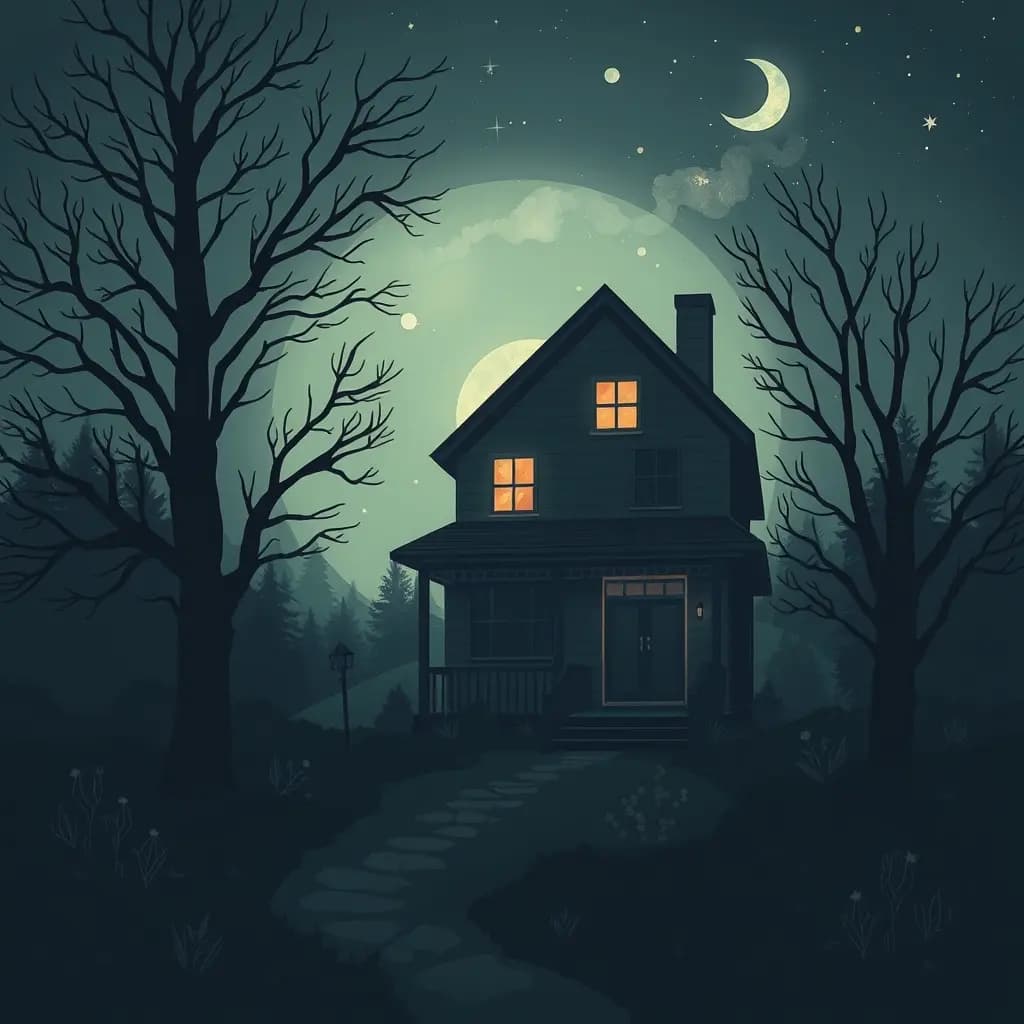
When life feels uncertain or deadlines pile up, you might wake with the vivid, heavy calm of being back on your old front porch. You stand beneath the same peeling paint, fingers tracing the carved initials on the banister, smelling the lemon-clean scent that used to mean Sunday mornings. In real life, this scene often follows a recent job change, family argument, or decision that makes you question who you are now versus who you were then.
Concrete details that tend to stand out
People often notice small, specific touches: a single light bulb buzzing in the kitchen, a red bicycle leaning against the fence, the back door that sticks, or the sound of a distant radio playing a song you and a sibling used to sing. You may feel heart-racing when you open a closet or catch the scent of old cedar.
What this dream usually means
This dream commonly means you are comparing your current life to a past version of yourself and searching for emotional safety. An unchanged childhood house in a dream often signals a desire for stability or a return to familiar roles; it can also highlight stalled personal growth, unresolved memories, or the need to re-evaluate where your sense of self was formed. The house is less about bricks and more about the emotional conditions you associate with home.
Three common meanings
- Longing for Stability. An unchanged childhood home often reflects a deep desire for safety and predictability. If recent events—like moving, starting a new job, or a breakup—have shaken you, the dream recreates a stable backdrop. The house functions as a mental anchor where rules were clear and care felt consistent; the dream asks what part of that stability you need now.
- Stuck in Past Patterns. The frozen house can signal that some habits, beliefs, or roles from your upbringing are still governing your decisions. If you repeatedly return to the same rooms in the dream, it may point to specific patterns—people-pleasing, avoiding conflict, or self-criticism—that haven’t been updated for your adult life and are limiting progress.
- Unresolved Grief or Regret. Sometimes the unaltered home preserves relationships or moments you wish you could change. The dream can surface regret about missed opportunities, words unsaid, or loss. Details like a sealed bedroom or a missing photograph may highlight where grief remains unprocessed and invites you to acknowledge unfinished emotional business.
- Reassessing Identity and Roots. The house can act as a reference point when you’re re-evaluating who you are—parent, partner, professional—against your origin story. This dream often appears during transitions (career shifts, becoming a parent) and asks you to consider which parts of your childhood values serve you now and which you can leave behind.
Psychological perspective
From a modern psychological viewpoint, an unchanged childhood home is a strong image tied to autobiographical memory and attachment schemas. It often activates familiar emotional scripts—comfort, shame, duty—that shaped early behavior. The dream helps the mind rehearse or confront these scripts without assigning clinical labels; it can reveal which internal models you still rely on when facing present challenges.
What this dream is not literally saying
This dream is rarely a literal prediction that your childhood house will physically remain unchanged or that you must return there. It does not usually mean you should make a life move based solely on the image. Instead, the scene is symbolic—tied to emotions, memories, and identity—so treat it as a clue to inner states rather than a blueprint for action.
When to take this dream seriously
Take this dream seriously if it recurs, comes during major life transitions, or stirs intense anxiety or longing that affects daily functioning. Recurrence suggests an unresolved emotional theme; strong physical reactions—sleeplessness, crying after waking—indicate the memory is still active. Use the image as a prompt: note which rooms appear, who is inside, and what you cannot change—those are likely the issues calling for attention.
Common questions
Why does this dream repeat?
Why does this dream repeat? - Repetition usually means an emotional theme hasn't been resolved: a pattern, loss, or decision you keep returning to. The mind replays the scene to give you more opportunities to notice details that point to what needs attention.
Is this about money?
Is this about money? - Not usually. While financial stress can trigger memories of home, the unchanged house more often symbolizes emotional safety, identity, or patterns, rather than a direct forecast about finances.
Can this dream be positive?
Can this dream be positive? - Yes. It can offer comfort, remind you of strengths learned in childhood, or highlight values worth reclaiming. The tone depends on details—warm light and open doors often suggest resources you can use now.
Is this about relationships?
Is this about relationships? - Often. The house commonly represents family dynamics or early relationship templates that influence current partnerships. Note who’s present in the dream to identify which relational pattern is active.
Related dreams to explore
Dreams about childhood home unchanged are often connected to Reliving an old birthday, Old newspaper with today's date, and Seeing your future obituary. Looking at those nearby themes can help you compare control, fear, pressure, or change across similar dream scenes. You may also want to compare it with Birthday repeats every hour if the same mood or conflict keeps showing up.